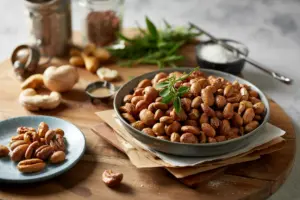
Some evenings call for a spread that looks thoughtful but takes almost no actual cooking.

A veggie snack platter is the right move for those moments - a board loaded with crisp raw vegetables, at least one briny accent, and two or three dips that give every guest something to reach for.
Twenty minutes of slicing and arranging is all it takes. The result handles everything from casual weeknight grazing to a full hosting spread without a single pan on the stove.
Color and texture do most of the work here. Carrots, bell peppers, and cucumbers form the backbone, and small bowls of dip anchor the layout so the whole board feels intentional rather than scattered. Knowing your cucumber swaps that work ahead of time also means you can build this platter with whatever the store actually has.
A veggie snack platter comes together in 20 minutes with no cooking required. Arrange crisp raw vegetables around a central trio of dips, include at least one briny or roasted item for contrast, and keep everything chilled until guests arrive. Color variety and consistent cutting shapes make the biggest visual difference.
Why This Recipe Works
This platter succeeds because it treats texture as a design decision, not an afterthought.
Remember it later
Planning to try this recipe soon? Save it for a quick find later!
Crisp carrots and peppers contrast with creamy hummus and briny olives, so every bite lands somewhere different on the palate.
Pairing one earthy dip with one tangy option - like hummus alongside tzatziki - covers most guest preferences without overcrowding the board.
Understanding hummus's flavor and uses helps you pick the right style, whether that's a smoky roasted red pepper version or a classic plain.
Prep Time
20 minutes
Cook Time
0 minutes
Total Time
20 minutes
Servings
6
Difficulty
Easy
Category
Appetizer
Quick Tip
Choose a mix of colors, textures, and at least two dips
Best For
Entertaining
- 🥕 Carrots add firm, sweet crunch and hold their texture for hours without softening
- Three textures minimum - crisp, creamy, and briny - prevents the platter from feeling one-dimensional
- Consistent cutting shapes (spears, rounds, matchsticks) make the board look arranged rather than dumped
- A roasted or marinated element, like marinated olives or smoky roasted chickpeas, adds depth without any cooking on the day
- Placing dips in small bowls rather than spooning them directly onto the board keeps edges clean and makes refills easy
What You'll Need
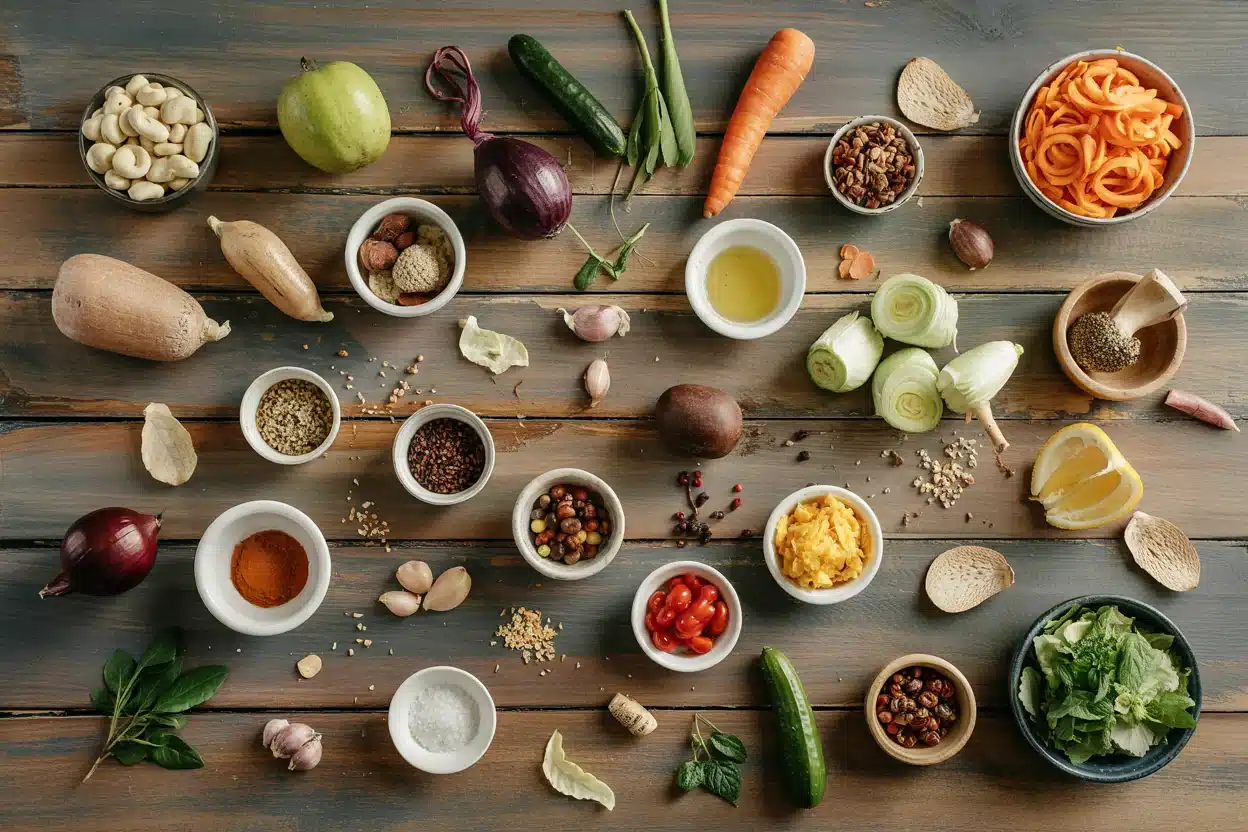
The ingredient list here is intentionally flexible, though four items are non-negotiable: carrots, bell peppers, cucumbers, and hummus. Those four cover the sweet, crisp, and creamy bases that make a platter feel complete.
If you plan to add cheese cubes, check our guide on keeping feta fresh so nothing goes soft before guests arrive.
- 3 medium carrots, peeled and cut into sticks
- 2 bell peppers (mixed colors), sliced into strips
- 1 English cucumber, sliced into rounds or spears
- 1 cup cherry tomatoes
- 6-8 radishes, halved
- 1 cup hummus (plain or smoked paprika)
- ¾ cup tzatziki
- ½ cup green goddess or harissa yogurt (optional third dip)
- ½ cup marinated olives
- ¼ cup pickles or cornichons
- ½ cup roasted chickpeas
- 100g cheese cubes (cheddar or feta)
- Pita triangles or crackers
- Fresh herbs (dill, parsley) for garnish
Ingredient Details
- Carrots
Choose firm, thick carrots for sticks - thin baby carrots bend too easily and look flimsy on a board. - Bell Peppers
Red, yellow, and orange are sweeter than green; use at least two colors for contrast. - English Cucumber
Thinner skin and fewer seeds than standard cucumbers - no peeling needed and less wateriness on the board. - Hummus
Store-bought works well; smooth out the surface with the back of a spoon and drizzle with olive oil before serving. - Marinated Olives
Drain most of the oil before placing them on the board to avoid pooling around nearby vegetables. - Roasted Chickpeas
Buy pre-roasted or roast your own up to 24 hours ahead - they stay crunchy at room temperature. - Cherry Tomatoes
Add these last - they release juice if punctured early and can make adjacent items soggy.
Ingredient Swaps
Most of the vegetables on this platter swap easily without changing the overall structure.
The dips are slightly more involved - switching hummus to tzatziki shifts the board from earthy and rich to tangy and cool, which changes how it pairs with bold items like olives.
Those swapping out individual vegetables should also read up on replacements for carrot and swapping out bell pepper for options that match the same crunch and color contribution.
- 🥕 Carrot sticks → jicama sticks - same crisp bite, slightly milder flavor, works cup-for-cup
- 🥣 Hummus → tzatziki - tangier, cooler profile; pair it with heartier veg like celery and cucumber
- 🫑 Bell peppers → celery ribs - milder, stringier crunch; use more pieces to fill the same visual space
- 🧀 Cheese cubes → roasted chickpeas - keeps the platter fully dairy-free while adding a nutty crunch
Hummus vs. Tzatziki as the Base Dip
Works for: Hummus anchors most flavor profiles; tzatziki suits light spring platters and fish-forward spreads
Skip if: Avoiding sesame (hummus contains tahini) or dairy (tzatziki is yogurt-based)
Cheese Cubes vs. Roasted Chickpeas
Works for: Cheese adds richness for adult platters; chickpeas keep things vegan and add crunch
Skip if: Guests have nut or legume allergies (check chickpea tolerance) or avoiding dairy
Instructions
Assembly order matters more than most people expect - starting with dip bowls locks in the layout before any vegetables go down.
Work outward in sections by color and shape so the board fills evenly without crowding.
For a light meal pairing, swapping out smoked paprika in your hummus recipe can shift the dip's heat level up or down depending on your guests.
- Set dip bowls first. Place three small bowls in a loose triangle across the board.
Fill each with hummus, tzatziki, and your optional third dip.
2. Add the longest vegetables. Arrange carrot sticks and bell pepper strips in fanned sections radiating outward from the bowls, alternating colors as you go.
3. Fill in with rounds and halves. Tuck cucumber rounds, radish halves, and cherry tomatoes into gaps between the longer sections.
4. Place briny items. Spoon marinated olives and pickles into any remaining open sections.
Drain excess oil first.
5. Finish with dry items. Scatter roasted chickpeas and cheese cubes last.
Add pita triangles or crackers along one edge, then garnish with fresh dill or parsley.
What to Serve With It
A veggie platter works as a standalone starter, but a few additions turn it into a proper spread.
Pita triangles and crackers are the most immediate upgrades - they give the dips a vehicle and keep guests satisfied longer.
Pairing the platter alongside a charcuterie board spoilage signs reference helps when you're planning how long the full spread can sit out safely.
| Side Dish | Prep | Why It Works | How to Serve |
|---|---|---|---|
| Pita triangles | Easy | Adds bulk and gives dips a sturdy scooping vehicle | Warm briefly in oven, cut into triangles, fan along board edge |
| Rotisserie chicken | Easy | Zero-cook protein that rounds out a light dinner spread | Pull into pieces, place on a side plate next to the platter |
| Quinoa salad | Medium | Grain base adds texture variety and makes the meal more filling | Serve chilled in a separate bowl alongside the board |
| Charcuterie additions | Easy | Cured meats and aged cheese shift the platter toward adult entertaining | Layer on a separate board adjacent to the veggie spread |
| Mini crostini | Easy | Offers a crisp base for layered bites with dip and vegetable toppings | Arrange along the outer edge of the board or in a side basket |
Three ways to serve it:
- 🥗 For weeknight dinners, pair with rotisserie chicken and a simple grain salad to make a full no-cook meal
- 🧆 For hosting, run a second board with charcuterie and crostini so guests can mix and build their own bites
- 🌿 For a fully plant-based spread, skip the cheese and anchor the board with three dips - hummus, green goddess, and harissa yogurt
Store and Reheat
An assembled platter holds well for up to 24 hours in the fridge if you cover it tightly with plastic wrap.
Whole uncut vegetables stay fresh for 3-5 days in a shallow airtight container lined with a paper towel, which absorbs the moisture that makes produce go limp.
Dips should go into sealed jars rather than staying in the serving bowls - exposure to air dries out the surface quickly.
Checking charcuterie board spoilage signs is useful if your platter includes cheese or cured meats alongside the vegetables.
| Method | Time | Best For |
|---|---|---|
| 🔥 Oven | 8-10 min at 350°F | Reheating roasted chickpeas or any roasted vegetable additions |
| 📦 Microwave | 30-45 sec on medium | Warming small batches of roasted items; not for raw vegetables |
For best results when storing:
- Pat all cut vegetables completely dry before storing - surface moisture is the main cause of sogginess
- Store dips in sealed jars with a thin layer of olive oil on top to prevent a dry crust from forming
- Keep cherry tomatoes separate from other vegetables until just before serving
- Revive limp raw vegetables by soaking in ice water for 10 minutes, then drain and chill before re-plating
- Do not freeze any component - raw vegetables turn mushy and dips separate when thawed
Frequently Asked Questions
Up to 24 hours ahead if kept tightly covered in the fridge. For best appearance, add cherry tomatoes, roasted chickpeas, and fresh herbs in the final 30 minutes before serving.
Carrots, bell peppers, celery, and radishes are the most durable - they hold their crunch for 2-3 hours at room temperature. Cucumbers and cherry tomatoes soften faster and should be replenished if the spread sits out longer than 90 minutes.
Plan for roughly 1 cup of cut vegetables and 3-4 tablespoons of dip per person as an appetizer. If the platter is the main snack for a longer event, scale up to 1½ cups of vegetables per person.
Yes - all the raw vegetables, hummus, marinated olives, and roasted chickpeas are naturally gluten-free and vegan. Skip the cheese cubes and tzatziki, and replace pita with gluten-free crackers if needed.
Keep hummus in a small bowl rather than spreading it directly on the board, and drizzle a thin layer of olive oil over the surface before serving. Replenish from a covered backup container every hour if the platter is out for an extended event.
Veggie Snack Platter
Ingredients
Equipment
Method
- Prepare three small bowls and spoon hummus, tzatziki, and olives/pickles into separate bowls; drizzle hummus with 1 teaspoon olive oil and sprinkle smoked paprika.
- Wash and dry all vegetables thoroughly; trim ends and cut carrots and peppers into uniform 3-inch sticks, halve mini cucumbers lengthwise.
- If using roasted chickpeas or roasted red peppers, warm them in a 350°F oven for 8-10 minutes until edges brown and crisp; transfer to a small bowl.
- Arrange dips in a triangle near the center of the board or sheet pan; place vegetables in grouped sections radiating outward by color and shape.
- Tuck smaller items (cherry tomatoes, radishes, olives) into gaps to fill space; scatter roasted chickpeas for texture contrast and sprinkle feta cubes in an accessible cluster.
- Chill the assembled platter on ice for up to 30 minutes before serving for buffet service; keep remaining cut vegetables refrigerated in a shallow airtight container lined with paper towel.
Notes
- Cut vegetables within 4 hours of serving for best crunch; store cut items over paper towel in a shallow container.
- Warm roasted components separately and add to the platter just before service to keep contrast between warm and cool items.