Most people assume cherry peppers are just a shrunken version of a bell pepper - sweet, mild, forgettable.
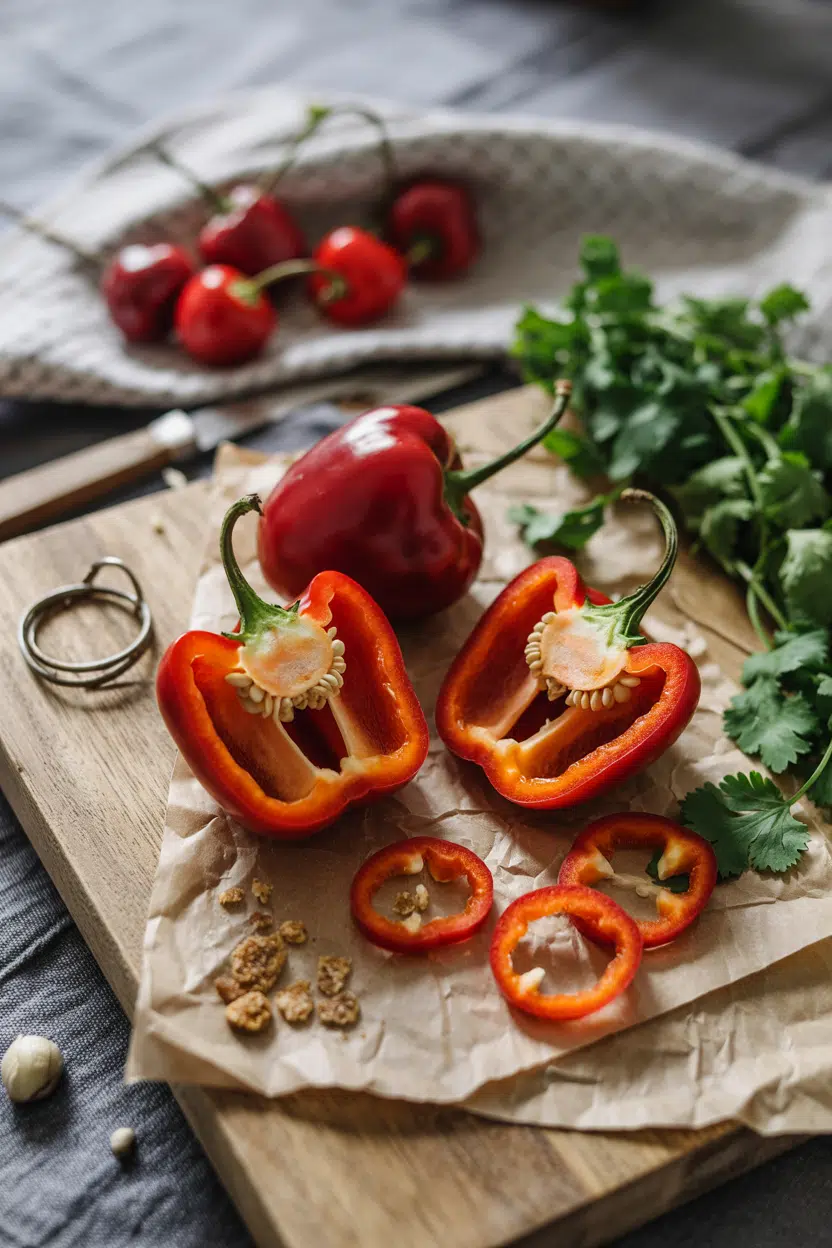
That assumption leads to a lot of missed meals, because the cherry pepper's real value is in how it straddles two worlds: fruity sweetness and a clean, bright heat that wakes up a dish without overwhelming it.
If you've ever hit a pickled cherry pepper on a sandwich and felt the need to add more, you already understand the appeal.
The filling possibilities alone - including classic pairings with seasoning with cream cheese - make this small pepper worth knowing inside out.
The cherry pepper is a small, round capsicum with thin skin, mild-to-moderate heat, and a fruity brightness that intensifies when pickled. It's sold fresh or jarred in brine, and works best stuffed, sliced onto pizzas, or served in antipasti - anywhere a compact, sweet-hot note belongs.
What Is Cherry Pepper?
Cherry pepper is a small, round capsicum that grows to roughly the size of a golf ball - sometimes smaller.
Remember it later
Planning to try this recipe soon? Save it for a quick find later!
It originated in South America and was later commercialized through cultivars developed in South Africa and Portugal, most notably under the Peppadew brand name, which is a trademarked variety sold in sweet brine.
The fruit ripens to red or yellow, though red is most common in markets. It belongs to the Capsicum annuum species alongside bells, jalapeños, and pimientos.
You'll find it sold under several names depending on format and origin:
- 🌶️ Peppadew - the branded South African cultivar, typically sold pickled in sweet brine
- Sweet cherry pepper - a general market name for mild, red round varieties
- Pimiento cherry - sometimes used when referencing the Spanish/Portuguese tradition of preserved small peppers
- Cherry bomb - a related but distinct variety that runs hotter than a standard sweet cherry pepper
The cherry bomb deserves a separate mention: it shares the round shape but carries noticeably more capsaicin. If a recipe or jar is labeled cherry bomb, expect a sharper bite than the standard sweet version delivers.
What Does Cherry Pepper Taste Like?
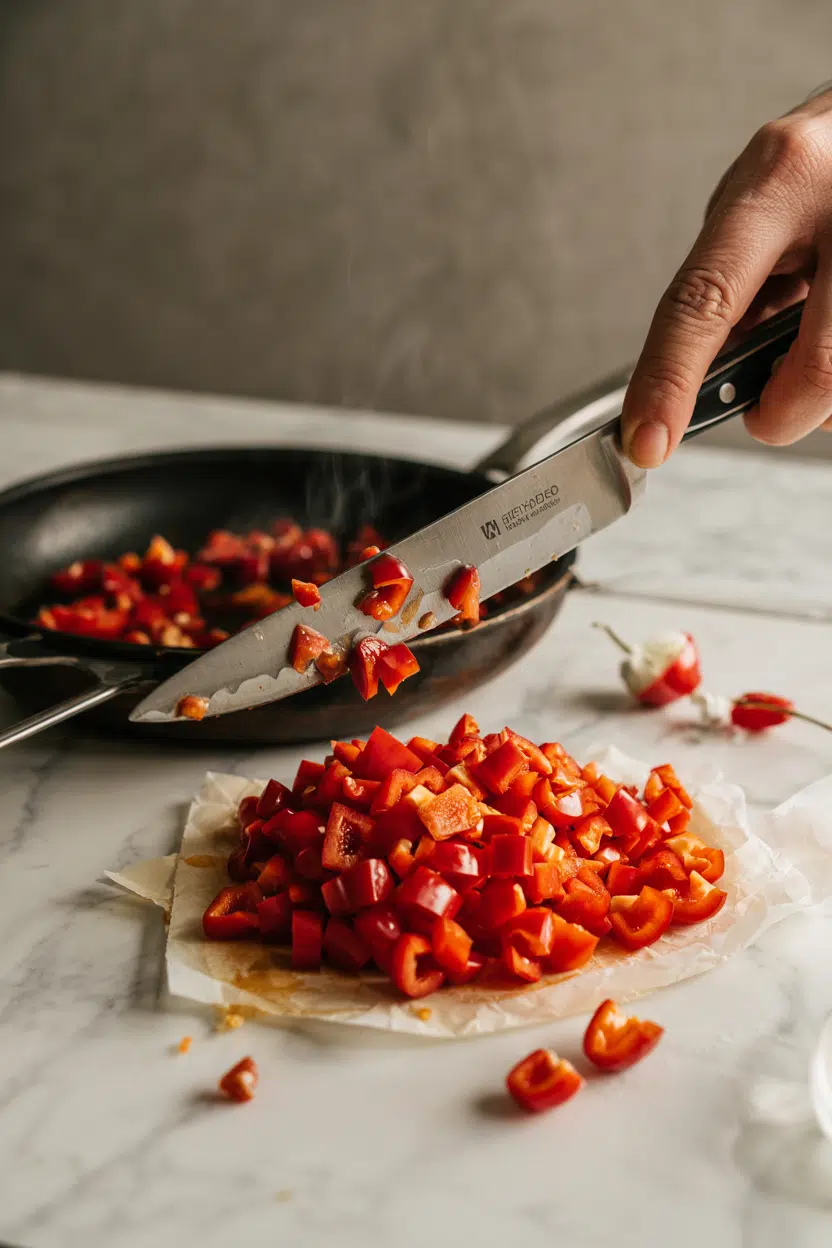
Raw cherry peppers taste like a fruity, milder jalapeño crossed with a roasted pimiento - but with a cleaner, almost cherry-like sweetness up front. The heat sits in the background, present but not sharp.
A subtle floral note shows up mostly in red-ripe specimens.
Pickling changes the profile considerably. Brine-pickled cherry peppers develop a bright tang that amplifies the fruity base while tamping down residual sweetness.
That sweet-sour contrast is what makes jarred versions so popular as a topping - they contribute acid, sugar, and mild heat in one bite.
Cook it, and the sweetness concentrates. Roasted cherry peppers lose crispness fast - their thin skin blisters quickly - but the caramelized result is rich and jammy in a way raw peppers simply aren't.
How to Use Cherry Pepper
Cherry peppers work across a wide range of formats, and the method you choose shapes the final dish significantly. Raw, they add crunch and a pop of fruity heat to salads and grain bowls.
Roasted or blistered over high heat, they soften into something closer to a concentrated sweet pepper paste - excellent on flatbreads or antipasti boards.
Stuffing is the preparation most associated with this pepper. The round shape and hollow interior are built for it: fill them with goat cheese, cream cheese, or even a mixture of cured meat and cheese, then serve as an appetizer or preserve in oil.
| Method | Best For | Tip |
|---|---|---|
| 🥗 Raw | Salads, grain bowls, salsas, relishes | Slice thin - the sweetness distributes better than chunks |
| 🫙 Pickled | Sandwich toppers, pizza, antipasti, snacking | Use the brine in dressings - it carries the pepper's flavor well |
| 🔥 Roasted | Tapas plates, pasta sauces, flatbreads | Blister under a broiler whole; skin slips off easily after |
| 🧀 Stuffed & Baked | Appetizers, party plates, preserved in oil | Pack filling tight - the pepper shrinks slightly in the oven |
Italian antipasti and Mediterranean meze traditions both incorporate cherry peppers alongside olives, cured meats, and roasted vegetables.
The pepper pairs well with prosciutto, salami, capers, and a drizzle of olive oil.
For anyone working without cherry peppers on hand, reviewing replacements for cherry pepper can point you toward pimientos or mild pepperoncini - though alternatives to pepperoncini work in the opposite direction too, when cherry peppers sub in for something more acidic.
How to Buy and Store Cherry Pepper
Fresh cherry peppers should feel firm and heavy for their size. Taut, glossy skin and an intact green stem are reliable indicators of quality.
Skip any with wrinkled skin, soft spots, or dark blemishes near the blossom end - those signal overripeness or bruising.
For jarred pickled cherry peppers, check the brine color and the pack date.
Store fresh peppers in a perforated produce bag in the refrigerator.
Opened jars go back in the fridge and stay good for 4-6 weeks.
Unopened jars keep for several months at room temperature.
If you're curious about longer storage options, tracking cherry pepper in spice blends and dried formats extends shelf life well beyond fresh or jarred versions.
Where to Start With Cherry Pepper
Start with a jarred variety. It's the lowest-commitment way to understand what this pepper does - crack open a jar, taste one plain, then taste another with goat cheese.
That combination alone captures most of what makes cherry peppers useful.
From there, try roasting fresh ones using a rack you already have - a simple setup works fine, and you don't need specialized equipment, though knowing your replacements for roasting rack options helps if your oven setup is limited.
Anyone who likes the fruity heat of a jalapeño but wants less intensity will find cherry peppers a natural step - the same approachable profile covered in jalapeno pepper swaps that work applies here in reverse.
Frequently Asked Questions
Most are mild. Standard sweet cherry peppers sit below 3,500 Scoville units - noticeably warmer than a bell pepper but far gentler than a jalapeño. The cherry bomb variety is a different story, running significantly hotter.
Peppadew is a trademarked cultivar of cherry pepper developed in South Africa, always sold pickled in sweet brine. "Cherry pepper" is the broader category - it includes peppadew-style peppers, sweet varieties, and the hotter cherry bomb.
Slice off the top, scoop out seeds with a small spoon, and pipe or spoon in your filling - cream cheese, goat cheese, or a meat-and-cheese mixture all work. Pack the filling firmly, since the pepper shrinks slightly during baking.
Yes. Place them whole under a broiler or directly over a gas flame until the skin blisters and chars in spots. The thin skin slips off easily after a few minutes in a covered bowl, leaving soft, sweet, jammy flesh.
Four to six weeks in the refrigerator, kept submerged in brine. Always use a clean utensil when retrieving peppers - introducing bacteria shortens that window considerably.