Homemade focaccia often turns out dense or bland because the dough doesn't get enough oil or the herbs taste flat.
The fix is dimpling the dough deeply so olive oil pools in the pockets and using fresh rosemary with minced garlic pressed into the surface.
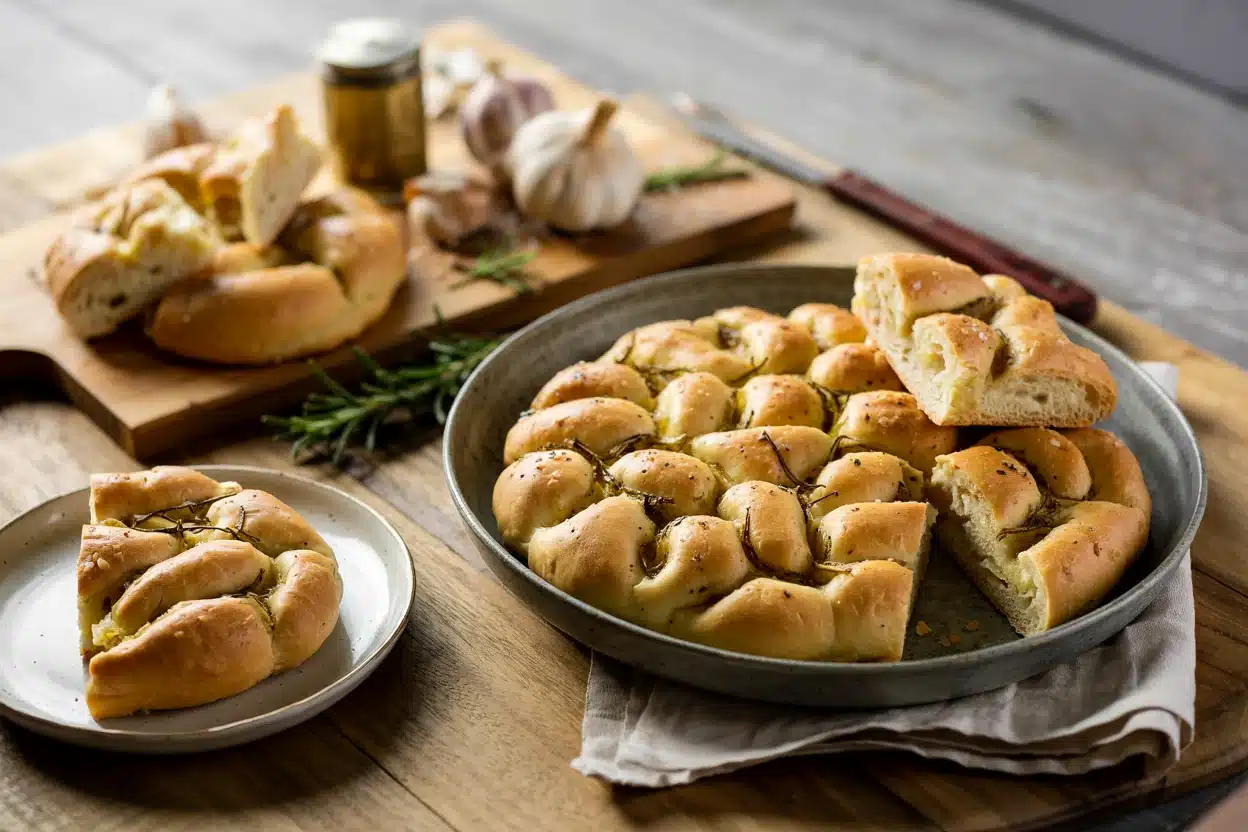
High heat creates a golden crust while the inside stays airy and tender. The yeast does the work during a one-hour rise, then 20 minutes in the oven finishes it.
This works for weeknight dinners when you want warm bread without kneading for 20 minutes or waiting half a day for dough to proof.
This Italian focaccia bread uses active dry yeast for an airy crumb, fresh rosemary and garlic for aromatic flavor, and generous olive oil for crispy edges. Dimple the dough deeply before baking so the oil creates golden pockets across the surface.
Why This Recipe Works
Focaccia gets its airy texture from proper yeast activation and a long rise, not from heavy kneading. For something that pairs well with the herby bread, try a homemade bread recipe that uses similar Italian flavors and a rustic approach.
Remember it later
Planning to try this recipe soon? Save it for a quick find later!
Prep Time
20 min
Cook Time
20-25 min
Total Time
1 hr 30 min (including rising)
Servings
8 servings
Difficulty
Medium
Category
Side
Quick Tip
Dimple dough deeply for crisp, airy bread
Best For
Weeknight | Meal prep | Entertaining
Five things that make this work:
- Water at 110°F activates yeast without killing it - foamy bubbles after 5 minutes confirm the yeast is alive and ready to rise
- Olive oil brushed before and after baking - creates the signature crispy crust and prevents the bread from drying out
- Deep dimpling with fingertips - traps oil in pockets across the surface, which bake into golden crispy spots
- One-hour rise in a warm spot - gives the dough time to double in size and develop an airy crumb structure
- 425°F baking temperature - high heat sets the crust quickly while keeping the inside tender and slightly chewy
What You'll Need
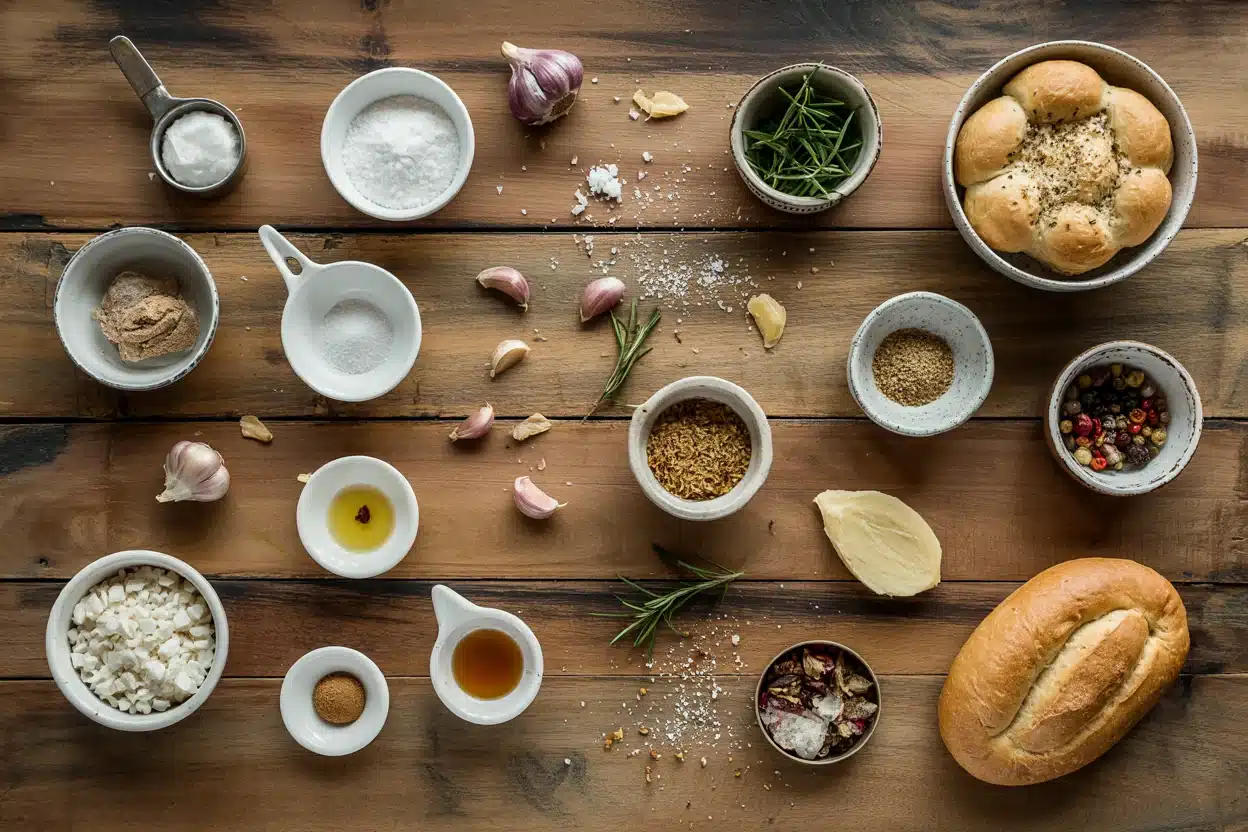
The ingredient list stays short because yeast, flour, and olive oil do most of the heavy lifting. If you're stocking up on basics for multiple recipes, this homemade dip recipe uses similar pantry staples and takes even less time to pull together.
- All-purpose flour
- Active dry yeast
- Warm water (110°F)
- Sugar
- Salt
- Olive oil
- Fresh rosemary
- Garlic cloves
- Coarse sea salt
Ingredient Details
- All-purpose flour
Provides gluten structure for chewy texture and airy crumb-bread flour works but makes denser focaccia - Active dry yeast
Needs 5 minutes in warm water to activate-foamy bubbles mean it's working, no bubbles mean start over - Olive oil
Use extra-virgin for better flavor-brush 2 tablespoons on dough before baking and drizzle more after for crispy crust - Fresh rosemary
Strip leaves off stems and chop roughly-dried rosemary works in a pinch but use half the amount - Garlic cloves
Mince finely and mix with olive oil so it spreads evenly-raw garlic burns at 425°F, oil protects it - Warm water
Must be 105-110°F-too hot kills yeast, too cold slows rising to 2+ hours - Coarse sea salt
Sprinkle just before baking for crunchy texture-fine salt works but dissolves into the dough instead of staying on top
Ingredient Swaps
Most swaps change texture or proofing time, so pick based on what you're willing to adjust. If you're experimenting with bread variations, a similar snack recipe uses different flour ratios and adds cheese for a richer result.
Four swaps that work:
- Instant yeast instead of active dry - Skip the proofing step and mix directly into flour, cuts 5 minutes but rising time stays the same
- Bread flour instead of all-purpose - Creates chewier texture with denser crumb, add 1-2 tablespoons more water since bread flour absorbs more liquid
- Dried rosemary instead of fresh - Use half the amount called for, flavor is harsher and less aromatic but saves a trip to the store
- Vegetable oil instead of olive oil - Same crispy crust but less flavor, fine for budget-friendly batches when olive oil costs too much
Instant Yeast
Works for: Quick prep when you skip the proofing bowl and stir yeast directly into flour
Skip if: You're new to bread baking-active dry yeast shows you when it's working with visible bubbles
Gluten-Free Flour Blend
Works for: Celiac or gluten-free diets when you need bread texture without wheat
Skip if: You want airy crumb-gluten-free versions turn out crumbly and dense without gluten structure
Instructions
The dough needs 1 hour to rise before baking, so start early if you're serving this for dinner. When planning a fuller spread, homemade guanciale recipe timing overlaps nicely since both finish in under 30 minutes of active work.
Proof the yeast: Combine warm water (110°F), sugar, and active dry yeast in a mixing bowl. Let sit 5 minutes until foamy bubbles appear on the surface-no bubbles means the yeast is dead, start over with fresh yeast.
Mix and rest the dough: Add flour, salt, and 2 tablespoons olive oil to the yeast mixture. Stir with a wooden spoon until a sticky dough forms, then cover the bowl with a damp kitchen towel. Let rise in a warm spot for 1 hour until doubled in size.
Shape and dimple: Transfer dough to an oiled baking sheet and press into a 9x13-inch rectangle. Use fingertips to dimple the dough every 1 inch, pressing down about 2 cm deep so oil pools in the pockets. Brush surface with 2 tablespoons olive oil mixed with minced garlic.
Add toppings: Sprinkle chopped fresh rosemary and coarse sea salt evenly across the dimpled surface. Press herbs lightly into the dough so they stick during baking.
Bake: Place in a 425°F oven for 20-25 minutes until the top turns golden brown and edges crisp up. Cool on a wire rack for 10 minutes before slicing-cutting too soon releases steam and softens the crust.
What to Serve With It
Focaccia fills the bread basket but works better when something else anchors the plate. For meatless meal ideas that round out the table, pair with vegetable-forward mains that benefit from bread for scooping.
| Side Dish | Prep | Why It Works | How to Serve |
|---|---|---|---|
| Simple green salad | Easy | Fresh, crisp greens cut the richness of oily bread | Toss arugula with lemon vinaigrette, serve alongside warm focaccia |
| Roasted vegetables | Medium | Earthy flavors complement herby rosemary and garlic notes | Roast zucchini, bell peppers, and cherry tomatoes at 425°F for 25 minutes |
| Tomato soup | Easy | Dipping focaccia into broth balances savory bread with tangy tomato | Ladle hot soup into bowls, tear focaccia into strips for dunking |
| Marinated olives | Easy | Briny contrast enhances the herb-forward bread without competing | Toss olives with olive oil, lemon zest, and thyme, serve in a small bowl |
| Caprese salad | Easy | Fresh mozzarella and tomato brighten the rich, oily bread | Layer sliced tomatoes, mozzarella, and basil, drizzle with balsamic glaze |
Three ways to serve it:
- Appetizer spread: Tear focaccia into pieces, arrange on a board with marinated olives, hummus, and sliced salami for a casual antipasto platter
- Soup dipper: Slice into thick strips and serve alongside minestrone or tomato soup-the crispy crust holds up to broth without falling apart
- Sandwich base: Split horizontally and fill with prosciutto, arugula, and fresh mozzarella for a pressed Italian sandwich
Store and Reheat
Focaccia dries out faster than denser breads because of the high oil content and airy crumb. If you're batch-cooking for the week, flaky homemade salmon recipe reheats similarly and benefits from the same low-moisture storage approach.
| Method | Time | Best For |
|---|---|---|
| 🍳 Stovetop | 3-4 min covered on low | Small slices when you want to restore crispness without drying out the inside |
| 📦 Microwave | 20-30 sec | Quick warm-up when texture doesn't matter-focaccia softens and loses crust |
| 🔥 Oven | 8-10 min at 375°F | Whole or thick slices when you want to revive the crispy crust closest to fresh-baked |
For best results when storing:
- Fridge storage: Wrap tightly in plastic wrap or store in an airtight container for 3-4 days-focaccia stales faster than sandwich bread because of the high oil content
- Freezer prep: Slice before freezing so you can pull out individual pieces without thawing the whole loaf, wrap slices in foil and freeze for up to 2 months
- Avoid countertop storage: Room temperature focaccia molds within 2 days unless you live in a very dry climate-fridge is safer for humid kitchens
- Reheat from frozen: Place frozen slices directly in a 375°F oven for 10-12 minutes, no need to thaw first
- Restore crispy crust: Brush reheated focaccia with olive oil right out of the oven, then return to heat for 2 minutes to crisp up the surface
Frequently Asked Questions
Yes, bake the focaccia fully, let it cool completely, then wrap tightly and refrigerate for up to 4 days. Reheat in a 375°F oven for 8-10 minutes to restore the crispy crust before serving.
Store in an airtight container in the fridge for 3-4 days or freeze slices for up to 2 months. Reheat in a 375°F oven for 8-10 minutes to crisp the crust-microwave works for speed but softens the bread.
The top should be golden brown with darker edges, and the bread should feel springy when pressed lightly in the center. If it leaves an indent or feels wet, bake for 3-5 minutes longer.
Dense focaccia usually means the yeast didn't activate properly or the dough didn't rise long enough. Use water at 105-110°F and let the dough double in size during the 1-hour rise-rushing this step collapses the crumb structure.
Yes, halve or double all ingredients proportionally and adjust the baking sheet size to match. Rising time stays the same, but baking time may increase by 3-5 minutes for a doubled batch depending on thickness.
Rosemary Garlic Focaccia Bread
Ingredients
Method
- Combine warm water (110°F), sugar, and active dry yeast in a mixing bowl. Let sit 5 minutes until foamy bubbles appear on the surface. If no bubbles form, the yeast is dead; start over with fresh yeast.1 packet active dry yeast, 1 ¼ cups warm water, 1 tablespoon sugar
- Add flour, salt, and 2 tablespoons olive oil to the yeast mixture. Stir with a wooden spoon until a sticky dough forms. Cover the bowl with a damp kitchen towel and let rise in a warm spot for 1 hour until doubled in size.3 cups all-purpose flour, 1 teaspoon salt, 4 tablespoons olive oil
- Transfer dough to an oiled baking sheet and press into a 9x13-inch rectangle. Use fingertips to dimple the dough every 1 inch, pressing down about 2 cm deep so olive oil pools in the pockets. Brush the surface with 2 tablespoons olive oil mixed with minced garlic.4 tablespoons olive oil, 2 cloves garlic
- Sprinkle chopped fresh rosemary and coarse sea salt evenly across the dimpled surface. Press herbs lightly into the dough so they stick during baking.2 tablespoons fresh rosemary, 1 teaspoon coarse sea salt
- Place in a 425°F oven for 20-25 minutes until the top turns golden brown and edges crisp up. Cool on a wire rack for 10 minutes before slicing to preserve crust texture.
Notes
- Proof yeast in 105-110°F water; too hot kills yeast, too cold slows rising.
- Use deep dimpling to trap olive oil, creating crispy golden pockets.
- Brush with olive oil before and after baking for a tender, flavorful crust.