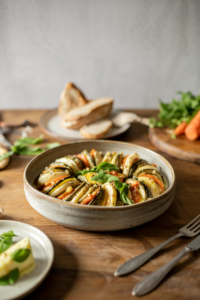
Simmering vegetables with cannellini beans and stale Tuscan bread creates a thick, rustic ribollita that thickens as it cools. The low heat melds garlic and tomato into the broth while the bread soaks up flavor without turning to mush.
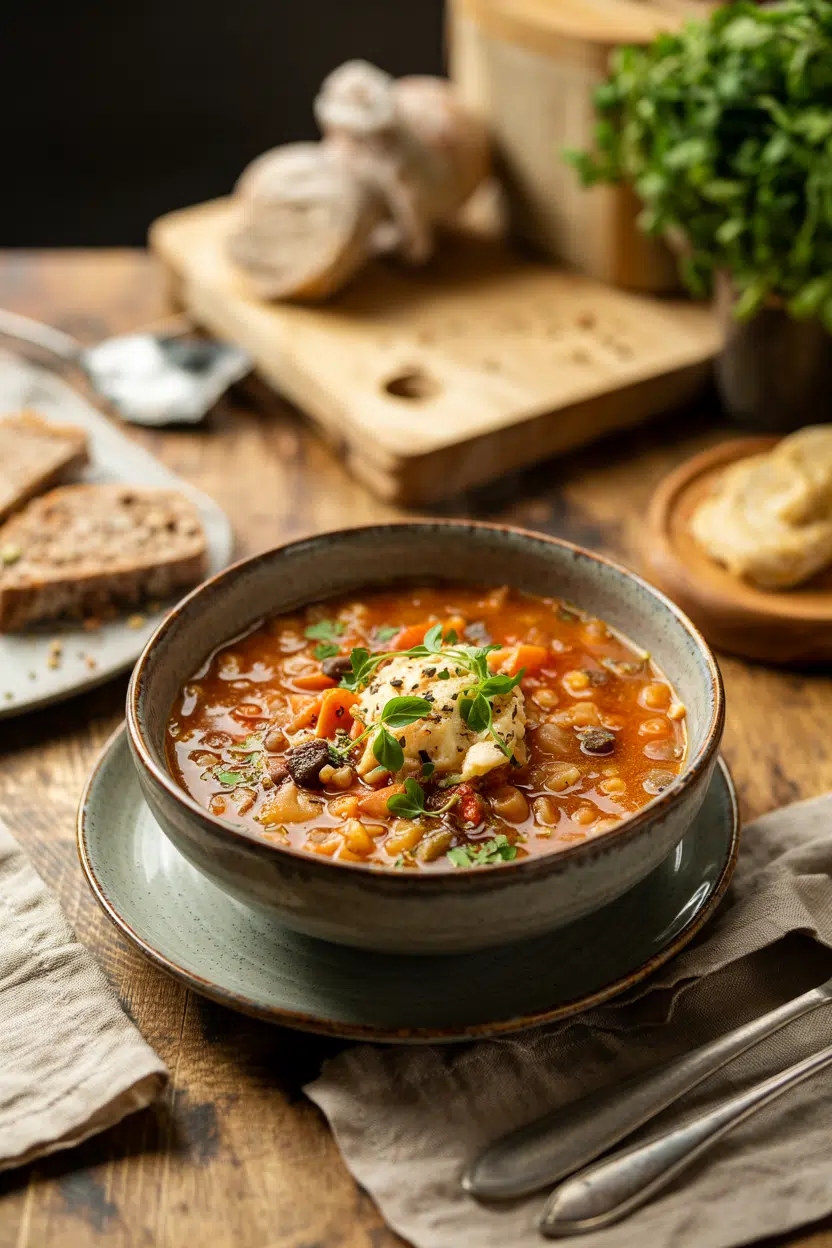
You don't need to babysit the pot. Simmer uncovered for an hour and the soup builds depth on its own.
This is what we make when the weather turns cold and we want something that tastes better the next day. The reboiling step - which gives ribollita its name - deepens every flavor.
Italian ribollita soup layers sautéed vegetables, cannellini beans, and cavolo nero with stale bread that soaks into the broth. Simmer uncovered for 1 hour to meld flavors and thicken the texture. Use dry bread to prevent the soup from turning watery.
Why This Recipe Works
The slow simmer breaks down vegetables and thickens the broth while the bread absorbs liquid without disintegrating. For a version that comes together quickly, this easy sauce recipe adds richness alongside the soup.
Remember it later
Planning to try this recipe soon? Save it for a quick find later!
Prep Time
20 min
Cook Time
1 hr 15 min
Total Time
1 hr 35 min
Servings
6 servings
Difficulty
Medium
Category
Main Dish
Quick Tip
Use stale bread soaked to thicken soup
Best For
Weeknight, Meal prep, Cold weather
Five things that make ribollita work:
- Stale bread soaks without dissolving - Fresh bread turns mushy in hot broth, but day-old cubes hold their shape while thickening the soup
- Beans mashed partially create creaminess - Crushing some of the cannellini beans against the pot side releases starch that gives body to the broth
- Layered seasoning builds depth - Salting at the start and again after 45 minutes develops savory richness instead of flat flavor
- Low simmer preserves vegetable texture - High heat turns carrots and celery to mush, but gentle bubbling keeps them tender with bite
- Cavolo nero added last stays vibrant - Kale wilts in 10-15 minutes, keeping its dark green color and slight bitterness intact
What You'll Need
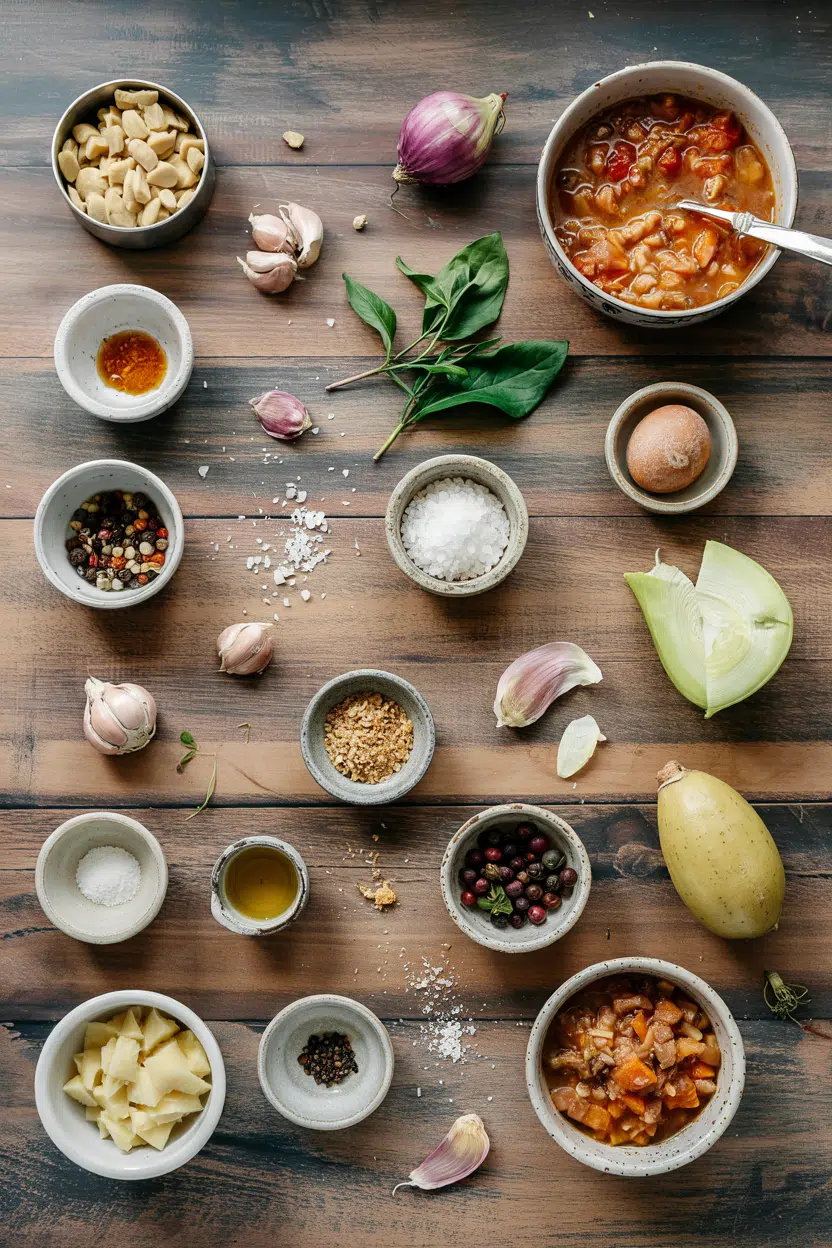
Tuscan ribollita relies on pantry staples and sturdy vegetables that hold up to long simmering. We keep a batch ready for nights like this - bright seasonal vegetables round out the hearty bowl.
- 2 cups dried cannellini beans (or 3 cans, drained)
- 2 cups stale Tuscan bread, cubed
- 1 bunch cavolo nero or kale, stems removed
- 1 large onion, diced
- 2 carrots, diced
- 2 celery stalks, diced
- 4 garlic cloves, minced
- 2 tablespoons tomato paste
- 6 cups vegetable broth
- ¼ cup olive oil
Ingredient Details
- Cannellini beans
Dried beans need overnight soaking - canned beans work if you're short on time but rinse them first to remove excess salt - Stale Tuscan bread
Day-old bread works best - leave fresh bread out overnight uncovered to dry or toast cubes lightly in the oven for 10 minutes - Cavolo nero
Also called Tuscan kale or dinosaur kale - remove thick stems before chopping leaves into ribbons - Vegetable broth
Low-sodium broth gives you control over salt levels - add more as needed after the soup simmers - Olive oil
Extra virgin adds fruity richness - save the expensive bottle for drizzling at the end, use regular for sautéing - Tomato paste
Cook the paste in the pot for 2 minutes to deepen its flavor before adding liquid - Garlic
Add garlic after the other vegetables soften - it burns easily and turns bitter if cooked too long
Ingredient Swaps
The base vegetables stay constant, but the greens and beans have flexible options. For a version that comes together quickly, quick chili dish uses similar layered simmering technique with beans.
Four swaps that work:
- Cavolo nero → kale or Swiss chard - Regular kale adds slightly more bitterness, Swiss chard brings earthy sweetness (use the same amount, stems removed)
- Cannellini beans → great Northern beans - Similar creamy texture when mashed, slightly smaller size (same cooking time applies)
- Stale Tuscan bread → gluten-free bread - Less chewy but still soaks up broth (dry it out first to prevent mushiness)
- Vegetable broth → chicken broth - Richer flavor profile, no longer vegetarian (use same quantity)
Kale
Works for: Budget cooking, year-round availability, similar texture to cavolo nero
Skip if: You want authentic Tuscan flavor or prefer milder greens
Swiss Chard
Works for: Sweeter flavor preference, colorful presentation, tender texture
Skip if: You want traditional bitter edge or need sturdy greens that hold up
Instructions
Sauté the vegetables first to build a flavor base, then let the soup simmer while you do other things. For a version that comes together quickly, this easy fries recipe crisps up in 20 minutes alongside the soup.
Sauté the base vegetables. Heat ¼ cup olive oil in a large Dutch oven over medium heat. Add diced onion, carrots, and celery. Cook 7-10 minutes, stirring occasionally, until vegetables soften but don't brown. Add minced garlic and tomato paste, cook 2 minutes more until paste darkens.
Add beans and broth. Pour in 6 cups vegetable broth and drained cannellini beans. Bring to a boil, then reduce heat to low. Simmer uncovered 45 minutes, stirring every 15 minutes. Use a wooden spoon to mash some beans against the pot side to thicken the broth.
Prepare and add bread. While soup simmers, place 2 cups cubed stale bread in a bowl. Ladle 1 cup hot broth over bread, let soak 15 minutes. Add soaked bread to pot, stir gently to combine. The bread will break apart slightly and thicken the soup.
Add greens and finish simmering. Chop cavolo nero into ribbons, removing tough stems. Stir greens into soup. Simmer 15 minutes more until greens wilt and darken. Taste and adjust salt - the soup should taste deeply savory with layered vegetable flavor.
Rest and reboil. Remove from heat, let soup sit 10 minutes. Reheat over low heat for 5-10 minutes before serving - this reboiling step gives ribollita its name and deepens the flavor. The soup will thicken as it cools.
What to Serve With It
Ribollita fills the bowl completely but benefits from something crisp or fresh alongside. Salad cuts through all that richness. For weeknight meal planning, comforting soup meal planning offers pairing strategies for hearty soups.
| Side Dish | Prep | Why It Works | How to Serve |
|---|---|---|---|
| Simple green salad | Easy | Adds freshness and crunch contrast to thick soup | Dress lightly with lemon and olive oil |
| Garlic crostini | Easy | Provides crisp texture for dipping and scooping | Rub toasted bread with garlic clove, drizzle oil |
| Grated Parmesan | Easy | Adds savory richness and salty punch | Pass bowl at table for sprinkling on top |
| Roasted vegetables | Medium | Complements earthy bean flavors with caramelization | Roast while soup simmers, serve warm |
| Crusty bread | Easy | Mops up broth and adds satisfying chew | Slice thick, warm in oven briefly |
Three ways to serve it:
- Weeknight bowl - Ladle soup into wide bowls, top with grated Parmesan and red pepper flakes, serve with crusty bread for dipping
- Meal prep containers - Store soup and extra bread separately in airtight containers, reheat soup on stovetop and add fresh bread when ready
- Cold weather dinner - Serve in deep bowls with garlic crostini on the side, drizzle extra virgin olive oil over each portion, pass Pecorino at table
Store and Reheat
Ribollita tastes better the next day after flavors meld overnight in the fridge. Store the soup and any extra bread separately to prevent the bread from absorbing too much liquid and turning mushy. The soup thickens significantly when cold.
| Method | Time | Best For |
|---|---|---|
| 🍳 Stovetop | 10-15 min on low heat | Even heating and preserving texture |
| 📦 Microwave | 3-5 min with stirring halfway | Quick single servings |
| 🔥 Oven | 20 min at 350°F (175°C) | Gentle reheating for parties |
For best results when storing:
- Fridge storage: Transfer cooled soup to shallow airtight containers within 2 hours of cooking - lasts 3-4 days in the fridge
- Freezer storage: Freeze soup without bread for up to 2 months in freezer-safe containers - leave 1 inch headspace for expansion
- Reheating thickened soup: Add ¼-½ cup vegetable broth or water when reheating to loosen consistency, stir frequently over low heat
- Bread texture fix: Add fresh cubed bread to reheated soup 5 minutes before serving to restore texture without mushiness
- Flavor boost: Drizzle extra virgin olive oil and sprinkle fresh grated Parmesan over each reheated bowl to brighten the taste
Frequently Asked Questions
Yes - ribollita tastes better the next day after flavors meld overnight. Store in the fridge for 3-4 days and reheat gently on the stovetop, adding a splash of broth to loosen the thickened soup.
Store soup and extra bread in separate airtight containers. The bread in the soup will soften completely, but storing unused bread separately prevents oversaturation.
The soup is done when vegetables are tender, beans mash easily against the spoon, and the broth has thickened to a hearty consistency. Greens should be wilted and dark green, usually after 1 hour 15 minutes total simmering.
Yes - regular kale or curly kale works as a direct swap for cavolo nero. Remove thick stems and chop leaves, using the same amount and cooking time.
Double all ingredients for 12 servings, using a larger pot. Keep the simmer time the same but stir more frequently to prevent sticking on the bottom.
Italian Ribollita Soup
Ingredients
Equipment
Method
- Heat ¼ cup olive oil in a large Dutch oven over medium heat. Add diced onion, carrots, and celery. Cook for 7 to 10 minutes, stirring occasionally, until vegetables soften but do not brown. Add minced garlic and tomato paste; cook 2 more minutes until the paste darkens.1 large onion, 2 carrots, 2 stalks celery, 4 cloves garlic, 2 tablespoons tomato paste, 0.25 cup olive oil
- Add 6 cups vegetable broth and drained soaked cannellini beans to the pot. Bring to a boil, then reduce heat to low. Simmer uncovered for 45 minutes, stirring every 15 minutes. Use a wooden spoon to mash some beans against the pot side to thicken the broth.2 cups dried cannellini beans, 6 cups vegetable broth
- While soup simmers, place 2 cups cubed stale Tuscan bread in a bowl. Ladle 1 cup hot broth over the bread and let soak for 15 minutes. Add soaked bread to the pot and stir gently to combine. The bread will break apart slightly and thicken the soup.2 cups stale Tuscan bread
- Chop cavolo nero leaves into ribbons, discarding tough stems. Stir the greens into the soup. Simmer 15 more minutes until the greens have wilted and darkened. Taste and adjust salt as needed.1 bunch cavolo nero
- Remove the soup from heat and let it rest for 10 minutes. Reheat over low heat for 5 to 10 minutes before serving. This reboiling step deepens the flavor and thickens the soup as it cools.
Notes
- Use stale bread soaked before adding to prevent sogginess and maintain soup texture.
- Mash some beans during simmering to release starches and thicken broth naturally.
- Simmer uncovered for the entire hour to enable thickening and flavor development.