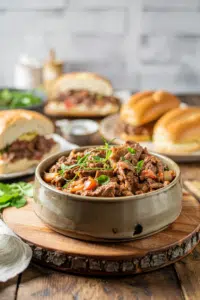
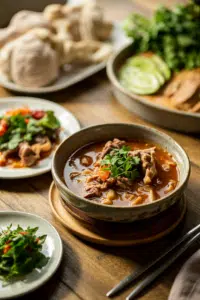
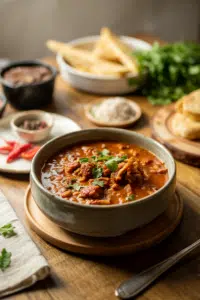
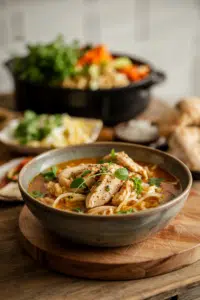
Slow-cooked chicken thighs in soy sauce and vinegar develop deep, tangy flavor without constant attention. The crockpot does the work while you handle other tasks.

Bone-in thighs stay tender even after hours of cooking. The sauce reduces naturally and coats the meat without extra steps.
This is what we make for weeknight dinners when meal prep matters more than active cooking time.
Crockpot Filipino Chicken Adobo cooks bone-in chicken thighs in soy sauce, vinegar, garlic, and bay leaves for 4-6 hours on low. The key is balancing the vinegar-to-soy ratio and browning the chicken first for better texture. Works for meal prep or weeknight dinners when you need hands-off cooking.
Why This Recipe Works
Slow cooking breaks down the chicken without drying it out because bone-in thighs release collagen into the sauce. For a similar approach with different flavors, try this quick chicken dish that uses chocolate and spices instead of vinegar.
Remember it later
Planning to try this recipe soon? Save it for a quick find later!
Prep Time
15 min
Cook Time
4-6 hours
Total Time
4 hrs 15 min to 6 hrs 15 min
Servings
4-6 servings
Difficulty
Easy
Category
Main Dish
Quick Tip
Brown chicken before slow cooking for better flavor
Best For
Weeknight | Meal prep
Five things that make this work:
- Bone-in chicken thighs stay moist through long cooking because the bones conduct heat slowly and the dark meat has more fat
- Searing before slow cooking creates caramelized spots that add depth the sauce can't provide alone
- Bay leaves and black peppercorns infuse gradually over hours, building layers without overwhelming the vinegar tang
- Low heat prevents the proteins from seizing up, which is what makes chicken stringy and dry
- The vinegar-soy ratio balances acidity with salt - measuring both prevents one-note sauce
What You'll Need
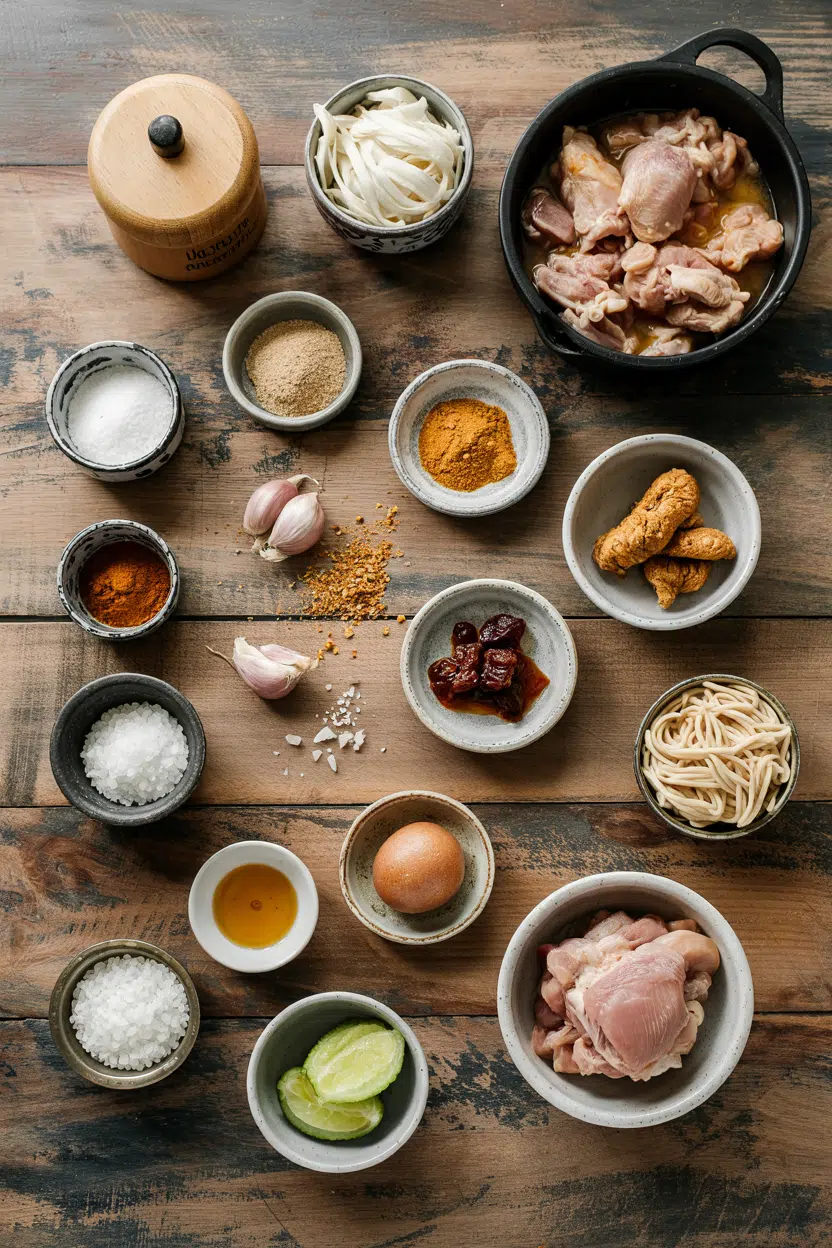
Buy bone-in chicken thighs even if boneless costs less - the bones add body to the sauce. Stock your pantry with soy sauce and vinegar, then grab garlic and bay leaves from the produce aisle.
- 2 lbs bone-in chicken thighs
- ½ cup soy sauce
- ½ cup white or cane vinegar
- ½ cup water or chicken broth
- 2 tablespoon brown sugar (optional)
- 8-10 garlic cloves, smashed
- 1 medium onion, sliced
- 2-3 bay leaves
- 1 teaspoon black peppercorns
Ingredient Details
- Bone-in chicken thighs
Provides moisture and flavor - boneless dries out during long cooking - Soy sauce
Use regular or low-sodium - low-sodium gives you more control over final saltiness - Vinegar
White or cane vinegar are traditional - apple cider works but changes the flavor profile slightly - Garlic
Smash cloves with the side of a knife instead of mincing - they soften and sweeten without burning - Bay leaves
Use whole dried bay leaves, remove before serving - they add subtle earthy notes - Black peppercorns
Whole peppercorns add mild heat without overpowering - ground pepper works but tastes sharper - Brown sugar
Optional but balances acidity - start with 1 tablespoon, add more at the end if too sour
Ingredient Swaps
Most swaps work if you adjust the cook time or liquid ratio. Boneless chicken cooks faster, so check at 3 hours instead of 4.
Four swaps that work:
- Use tamari or coconut aminos instead of soy sauce - tamari tastes nearly identical and is gluten-free, coconut aminos are sweeter and less salty
- Swap white vinegar for apple cider vinegar - slightly fruity and less sharp, still balances the soy sauce
- Replace bone-in thighs with boneless thighs or breasts - reduce cook time to 3-4 hours, check internal temp at 165°F
- Use garlic powder instead of fresh garlic - 1 teaspoon powder per 3-4 cloves, but you lose the soft roasted texture
Bone-In Thighs
Works for: Long cooking, rich sauce, meal prep
Skip if: You need faster cook time or want less fat
Boneless Thighs
Works for: Quick cooking, easier eating, less mess
Skip if: You want richer flavor or more tender texture
Chicken Breasts
Works for: Leaner meal, white meat preference
Skip if: You want juicy, fall-off-bone texture - breasts dry out faster
Instructions
Total hands-on time is 15 minutes, then the crockpot runs 4-6 hours on low. Rich mains need something to cut through, and slaw does exactly that - crisp refreshing coleslaw resets your palate between bites.
- Brown the chicken. Heat a skillet over medium-high, add chicken thighs skin-side down, cook 3-4 minutes per side until golden brown. Transfer to crockpot - no need to cook through, just sear the outside for flavor.
- Build the sauce. In the same skillet, add garlic and onion, cook 1-2 minutes until fragrant. Pour in soy sauce, vinegar, water or broth, and brown sugar if using. Stir to combine, scraping up browned bits from the pan.
- Add aromatics and cook. Pour sauce over chicken in crockpot, add bay leaves and black peppercorns. Cover, cook on low 4-6 hours until chicken reaches 165°F internal temp and meat pulls away from bone easily.
- Reduce the sauce (optional). Remove lid during last 30 minutes of cooking to thicken sauce, or transfer finished chicken to a plate and simmer sauce in a pan on the stove for 5-7 minutes until syrupy.
- Adjust seasoning and serve. Taste sauce - add more vinegar if too mild, more sugar if too sour, more soy if too bland. Remove bay leaves, stir gently to coat chicken, serve over rice.
What to Serve With It
Filipino adobo needs starch to soak up the tangy sauce and something fresh to balance the richness. Most people skip salad, but it balances the meal - for complete chicken and biscuits meal ideas that follow similar pairing logic, we recommend building around contrast.
| Side Dish | Prep | Why It Works | How to Serve |
|---|---|---|---|
| Steamed jasmine rice | Easy | Absorbs the tangy sauce and balances saltiness | Serve 1 cup rice per person, spoon adobo and sauce over top |
| Garlic fried rice | Easy | Adds savory garlic notes that enhance adobo flavor | Use day-old rice, fry with garlic until crispy edges form |
| Sautéed bok choy | Easy | Provides fresh green crunch and cuts through richness | Stir-fry 4-5 minutes with garlic, serve alongside |
| Pickled vegetables (atchara) | Medium | Adds bright acidity and crunch to reset palate | Make ahead, serve cold as condiment on the side |
| Lumpia (spring rolls) | Medium | Crispy appetizer that complements tender chicken | Fry until golden, serve with sweet chili dipping sauce |
Three ways to serve it:
- Over jasmine rice with sautéed bok choy - the classic pairing that soaks up sauce and adds fresh greens
- With garlic fried rice and pickled vegetables - doubles down on savory notes while adding acidic crunch
- Alongside pancit noodles and lumpia - turns it into a full Filipino feast for casual entertaining
Store and Reheat
Chicken adobo tastes better the next day after the sauce has time to penetrate the meat. A good rolls can make or break the plate, and a warm rolls side exists to mop up what is left on the plate. Store in shallow containers so it cools quickly and reheats evenly.
| Method | Time | Best For |
|---|---|---|
| 🍳 Stovetop | 5-7 min | Best flavor retention - gently reheat in pan with splash of water |
| 🔥 Oven | 15 min at 350°F | Large portions - reheat covered to prevent drying out |
| 📦 Microwave | 2-3 min | Single servings - stir halfway through, add water if sauce thickened |
For best results when storing:
- Cool chicken to room temp within 2 hours, then refrigerate in airtight containers - prevents bacteria growth
- Store chicken and sauce together so meat stays moist - sauce acts as protective layer
- Freeze in portion-sized containers for up to 3 months - thaw overnight in fridge before reheating
- Skim fat from surface before reheating if you want less richness - cold fat solidifies and lifts off easily
- Add splash of water or broth when reheating if sauce thickened too much - restores original consistency without diluting flavor
Frequently Asked Questions
Cook on low for 4-6 hours until chicken reaches 165°F internal temp and meat pulls away from the bone easily. Check at 4 hours for boneless cuts, 5-6 hours for bone-in thighs.
Yes - adobo tastes better after sitting overnight as flavors meld. Cook fully, cool to room temp, refrigerate up to 4 days, or freeze up to 3 months.
Serve with steamed jasmine rice or garlic fried rice to soak up the sauce. Add sautéed bok choy or pickled vegetables for contrast.
Check internal temp reaches 165°F with a thermometer, and meat should pull away from the bone easily with a fork. Sauce should coat the chicken without being watery.
Yes, but reduce cook time to 3-4 hours on low and check temp at 165°F. Breasts dry out faster than thighs, so watch closely and don't overcook.
Crockpot Filipino Chicken Adobo
Ingredients
Equipment
Method
- Heat a skillet over medium-high heat. Add chicken thighs skin-side down and cook for 3-4 minutes per side until golden brown. Transfer the chicken to the crockpot. The chicken does not need to be fully cooked at this stage.2 lbs chicken thighs
- In the same skillet, add smashed garlic and sliced onion. Cook for 1-2 minutes until fragrant. Pour in soy sauce, vinegar, water or broth, and brown sugar if using. Stir well, scraping up browned bits from the pan.0.5 cup soy sauce, 0.5 cup vinegar, 0.5 cup water, 2 tbsp brown sugar, 8 cloves garlic, 1 medium onion
- Pour the sauce over the chicken in the crockpot. Add bay leaves and black peppercorns. Cover and cook on low for 4 to 6 hours, until chicken reaches an internal temperature of 165°F and the meat pulls away from the bone easily.3 leaves bay leaves, 1 tsp black peppercorns
- During the last 30 minutes of cooking, remove the crockpot lid to thicken the sauce, or transfer the chicken to a plate and simmer the sauce on the stove for 5-7 minutes until syrupy.
- Remove bay leaves and taste the sauce. Adjust by adding more vinegar if too mild, more sugar if too sour, or more soy if too bland. Stir gently to coat the chicken and serve over rice.0.5 cup soy sauce, 0.5 cup vinegar, 2 tbsp brown sugar
Notes
- Browning chicken before slow cooking enhances flavor and adds texture.
- Check chicken internal temperature with a meat thermometer to ensure it reaches 165°F.
- Marinate chicken for 30-60 minutes before cooking for deeper flavor penetration.