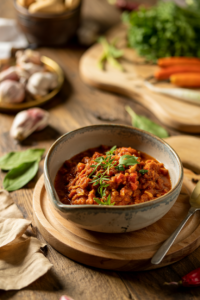
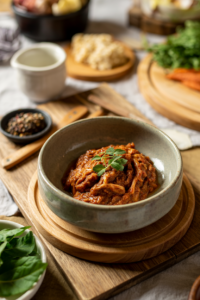
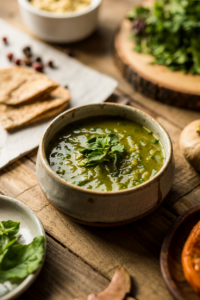
Bright herbs chopped fine with briny olives and capers, all held together with fruity olive oil. That's Italian salsa verde-a fresh condiment that turns plain proteins into something worth making again.

The knife does most of the work. You chop everything by hand so the texture stays chunky instead of turning into paste.
This works for weeknights when you need a condiment that makes grilled chicken or fish taste intentional. Also works for entertaining when you want something on the table that looks like effort but takes 10 minutes.
Italian olive and capers salsa verde is a fresh, herbaceous condiment made by hand-chopping parsley, green olives, capers, and garlic, then mixing with olive oil and lemon juice. The texture stays slightly chunky instead of pureed, and the flavors need 10-15 minutes to meld before serving. Use it as a bright, briny topping for grilled meats, fish, or roasted vegetables.
Why This Recipe Works
Salsa verde works because you balance three elements: fresh herbs, briny ingredients, and fat. The oil carries flavors across your tongue while the acid from lemon juice keeps it from tasting heavy. For a version that comes together quickly, simple homemade sauce uses similar bright, tangy flavors with capers and lemon.
Remember it later
Planning to try this recipe soon? Save it for a quick find later!
Prep Time
10 min
Cook Time
0 min
Total Time
10 min
Servings
6 servings
Difficulty
Easy
Category
Appetizer
Quick Tip
Chop herbs fine for fresh texture
Best For
Weeknight | Entertaining | Meal prep
What makes this work:
- Hand-chopping keeps texture - mincing by knife creates rough edges that hold onto oil better than a food processor, which turns herbs into mush
- Resting melds flavors - letting the mixture sit for 10-15 minutes at room temperature gives garlic time to soften and all ingredients time to marry
- Acid cuts through richness - lemon juice balances the oily, briny elements and keeps the sauce from coating your mouth too heavily
- Green olives add body - their firm texture and salty bite give the sauce substance instead of making it feel like an oil slick with herbs floating in it
- Whisking oil slowly emulsifies - adding olive oil gradually while whisking creates a slightly thicker consistency that clings to food instead of running off
What You'll Need
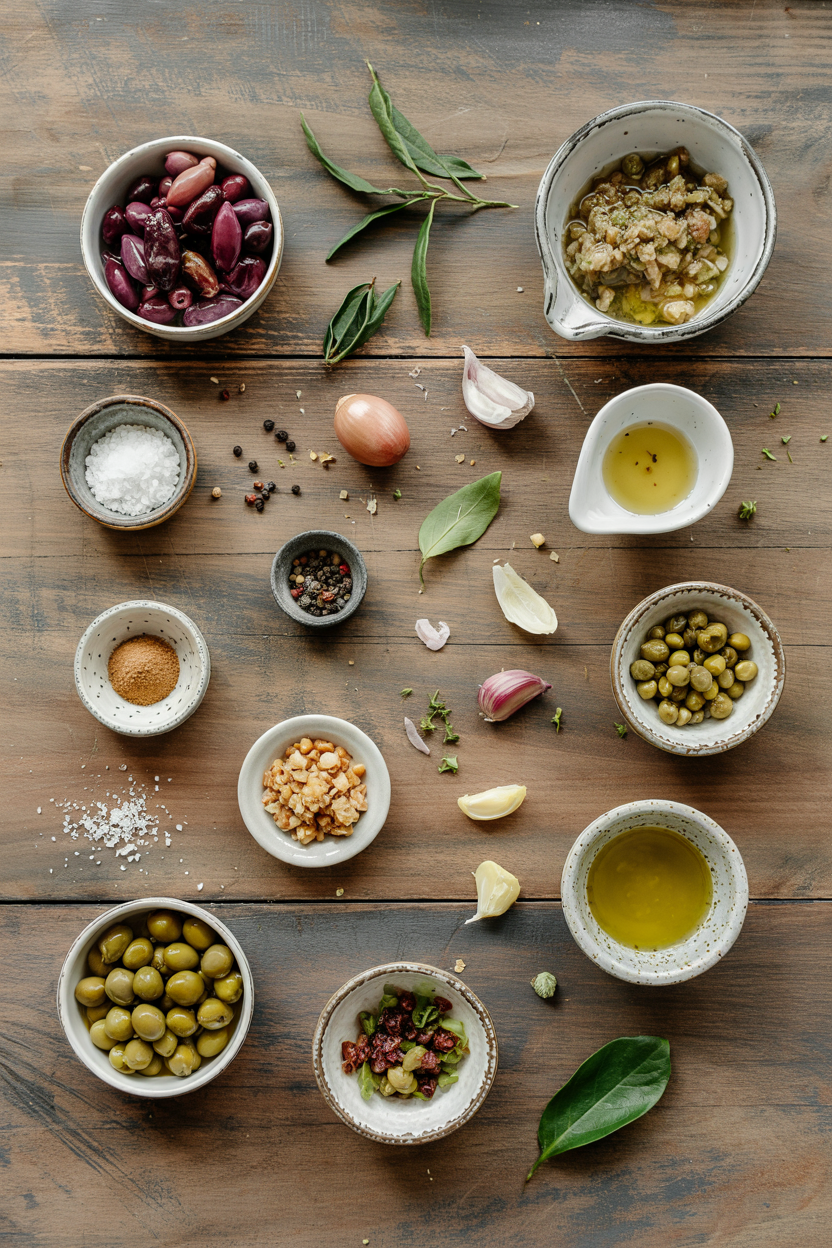
Stock your pantry with fresh parsley, quality olive oil, and jarred briny ingredients. The rest comes together with basic aromatics you probably have. We keep a batch ready for nights like this - a similar deli recipe also relies on pantry staples for quick flavor.
- Flat-leaf parsley
- Fresh thyme (optional)
- Green olives
- Capers
- Anchovies (optional)
- Garlic
- Red pepper flakes (optional)
- Black pepper
- Lemon juice
- Extra-virgin olive oil
Ingredient Details
- Flat-leaf parsley
Use only the leaves-stems taste bitter and turn the sauce murky instead of bright green - Green olives
Castelvetrano or other buttery varieties work best-avoid canned black olives which taste flat and mushy - Capers
Rinse under cold water for 10 seconds to remove excess brine-otherwise the sauce tastes one-note salty - Extra-virgin olive oil
Use something you'd drizzle on bread-the oil flavor comes through clearly in the finished sauce - Lemon juice
Fresh-squeezed only-bottled juice tastes artificial and throws off the balance of the sauce - Garlic
Mince to 2mm pieces so you don't bite into harsh chunks-larger pieces taste raw and overwhelming - Anchovies
Oil-packed work better than salt-packed-they dissolve into the sauce and add umami without fishiness
Ingredient Swaps
Most swaps change the flavor profile but keep the method intact. The core technique stays the same-chop, mix, rest. A dollop of verde takes each bite somewhere more interesting. For a version that comes together quickly, something creamy like verde uses roasted tomatillos for a different kind of tangy brightness.
Four swaps that work:
- Black olives for green olives - use the same amount but expect milder, less briny flavor and softer texture (works for budget cooking)
- White wine vinegar for lemon juice - swap 1:1 ratio but the acid tastes sharper and less fruity (changes the brightness slightly)
- Cilantro or basil for parsley - equal amounts but the herbaceous profile shifts dramatically-cilantro adds citrusy notes, basil adds sweetness
- Worcestershire sauce for anchovies - use 1 teaspoon Worcestershire per 2 anchovy fillets for similar umami depth without fish (keeps it dairy-free)
Green Olives
Works for: traditional Italian flavor, firm texture, pronounced briny bite
Skip if: you want milder saltiness or softer texture
Black Olives
Works for: budget cooking, softer texture, less assertive brine flavor
Skip if: you want authentic salsa verde with clear briny punch
Instructions
You need 10 minutes for chopping and mixing, then another 10-15 for the flavors to come together. The resting time matters more than most recipes admit. Rich mains need something to cut through, and guanciale does exactly that. For a version that comes together quickly, homemade guanciale recipe also benefits from bright, herbaceous toppings like this salsa verde.
- Chop the parsley leaves finely - pile leaves on a cutting board and run your knife through them until pieces are 3-4mm, about the size of a grain of rice, then transfer to a mixing bowl
- Prep the briny ingredients - rinse capers under cold water for 10 seconds, then roughly chop green olives into 5mm chunks and mince garlic to 2mm pieces, adding all to the bowl with parsley
- Combine aromatics and acid - add optional anchovy fillets (minced), red pepper flakes, black pepper, and lemon juice to the bowl, then stir everything together with a fork for 30 seconds
- Whisk in olive oil slowly - pour extra-virgin olive oil in a thin stream while whisking constantly for about 1 minute until the sauce looks glossy and slightly thickened instead of separated
- Rest before serving - let the salsa sit at room temperature for 10-15 minutes so the garlic mellows and all flavors meld, then taste and adjust with more lemon juice or salt if needed
What to Serve With It
Italian salsa verde fills the gap on plates that need brightness and acidity. It works on rich proteins, roasted vegetables, or as a dipping sauce for crusty bread. Most people skip chicken, but it balances the meal. We keep a batch ready for nights like this - classic chicken dish gets a fresh lift when you spoon salsa verde over the top before serving.
| Side Dish | Prep | Why It Works | How to Serve |
|---|---|---|---|
| Grilled chicken breast | Easy | Salsa adds herby brightness that cuts through plain grilled meat | Spoon 2 tablespoons over each chicken breast right before serving |
| Roasted potatoes | Easy | Briny salsa complements starchy comfort without weighing it down | Toss warm potatoes with salsa or serve salsa on the side for dipping |
| Steamed green beans | Easy | Simple vegetables let the salsa's fresh herbs and olives shine | Drizzle 3 tablespoons over hot green beans and toss gently |
| Crusty bread | Easy | Bread soaks up the oil and provides neutral base for bold flavors | Serve salsa in a small bowl for dipping toasted bread slices |
| Grilled branzino | Medium | Light fish pairs well with herbaceous, briny sauce without overpowering delicate flavor | Spoon salsa over whole grilled fish or individual fillets at the table |
Three ways to serve it:
- As a marinade base - mix equal parts salsa verde and additional olive oil, then use it to marinate chicken thighs or pork chops for 2-4 hours before grilling
- Thinned into vinaigrette - whisk 2 tablespoons salsa with 1 tablespoon red wine vinegar and drizzle over mixed greens or roasted vegetable salads
- Dolloped on charcuterie - spoon small amounts onto a board alongside cured meats, cheeses, and pickled vegetables for contrasting brightness
Store and Reheat
Salsa verde keeps for 3-4 days in the fridge but tastes best within 2 days when the herbs still taste fresh. The oil can separate as it sits, so stir before using. The guanciale works best when it hits the table at the same time as the main. We keep a batch ready for nights like this - a rich beef on the side benefits from a bright, acidic condiment like salsa verde to cut through its richness.
| Method | Time | Best For |
|---|---|---|
| 🥄 Stir at room temp | 1-2 min | Reviving consistency after refrigeration-mix thoroughly to re-emulsify oil |
| 📦 Microwave (low power) | 15 seconds | Warming small portions cautiously-heat destroys fresh herb flavor quickly |
| ❄️ Serve cold | 0 min | Best method-salsa verde tastes brightest when served cold or room temperature |
For best results when storing:
- Use shallow containers - store in a shallow glass or plastic container so you can stir easily without digging through layers of separated oil
- Press plastic wrap directly on surface - lay plastic wrap touching the salsa before sealing the container lid to prevent oxidation and browning
- Store no more than 4 days - after that the parsley loses brightness and the garlic flavor turns sharper and more raw-tasting
- Freeze in ice cube trays - portion salsa into ice cube trays, freeze solid, then transfer cubes to a freezer bag for up to 1 month (texture changes but flavor holds)
- Add fresh lemon juice before serving leftovers - stir in 1 teaspoon fresh lemon juice to brighten flavors that dulled in the fridge
Frequently Asked Questions
Yes, make it up to 2 days ahead for best flavor-store in an airtight container in the fridge and stir before serving. After 2 days the parsley loses brightness and the garlic flavor intensifies.
It keeps for 3-4 days in a sealed container, but the fresh herb flavor dulls after day 2. Press plastic wrap directly on the surface before refrigerating to prevent browning.
Chop parsley to 3-4mm pieces (grain of rice size) and olives to 5mm chunks-fine enough to release flavors but coarse enough to maintain texture. Avoid pureeing in a food processor which turns the mixture into paste.
Stir in more lemon juice and olive oil incrementally-start with 1 teaspoon of each, taste, and repeat until balanced. You can also add a pinch of sugar to counteract saltiness without making it sweet.
Serve it with grilled chicken, roasted fish, steamed vegetables, or crusty bread-it works best on simple proteins that need brightness and acidity. The herby, briny flavors complement rich mains without overpowering them.
Italian Olive and Capers Salsa Verde
Ingredients
Method
- Pile flat-leaf parsley leaves on a cutting board and chop finely until pieces measure about 3-4mm, roughly the size of a grain of rice. Transfer to a mixing bowl.1 cup flat-leaf parsley
- Rinse capers under cold water for 10 seconds to remove excess brine. Roughly chop green olives into 5mm chunks and mince garlic into 2mm pieces. Add all to the bowl with parsley.½ cup green olives, 2 tablespoons capers, 1 clove garlic
- If using, mince anchovy fillets and add them along with red pepper flakes, black pepper, and fresh lemon juice. Stir everything together thoroughly with a fork for 30 seconds.1 teaspoon anchovy fillets, ¼ teaspoon red pepper flakes, ¼ teaspoon black pepper, 1 tablespoon lemon juice
- Pour extra-virgin olive oil in a thin, steady stream while whisking constantly for about 1 minute until the sauce looks glossy and slightly thickened instead of separated.⅓ cup extra-virgin olive oil
- Let the salsa sit at room temperature for 10-15 minutes so the garlic mellows and all flavors meld. Taste and adjust seasoning with more lemon juice or salt if needed before serving.
Notes
- Use only parsley leaves; stems can make the sauce bitter and murky.
- Hand-chopping keeps a fresh, chunky texture that holds oil better than pureeing.
- Rinse capers before adding to avoid overly salty flavor.