Go Back
–+ servings
7 Best Substitutes for Maida Flour

7 Best Substitutes for Maida Flour

No ratings yet
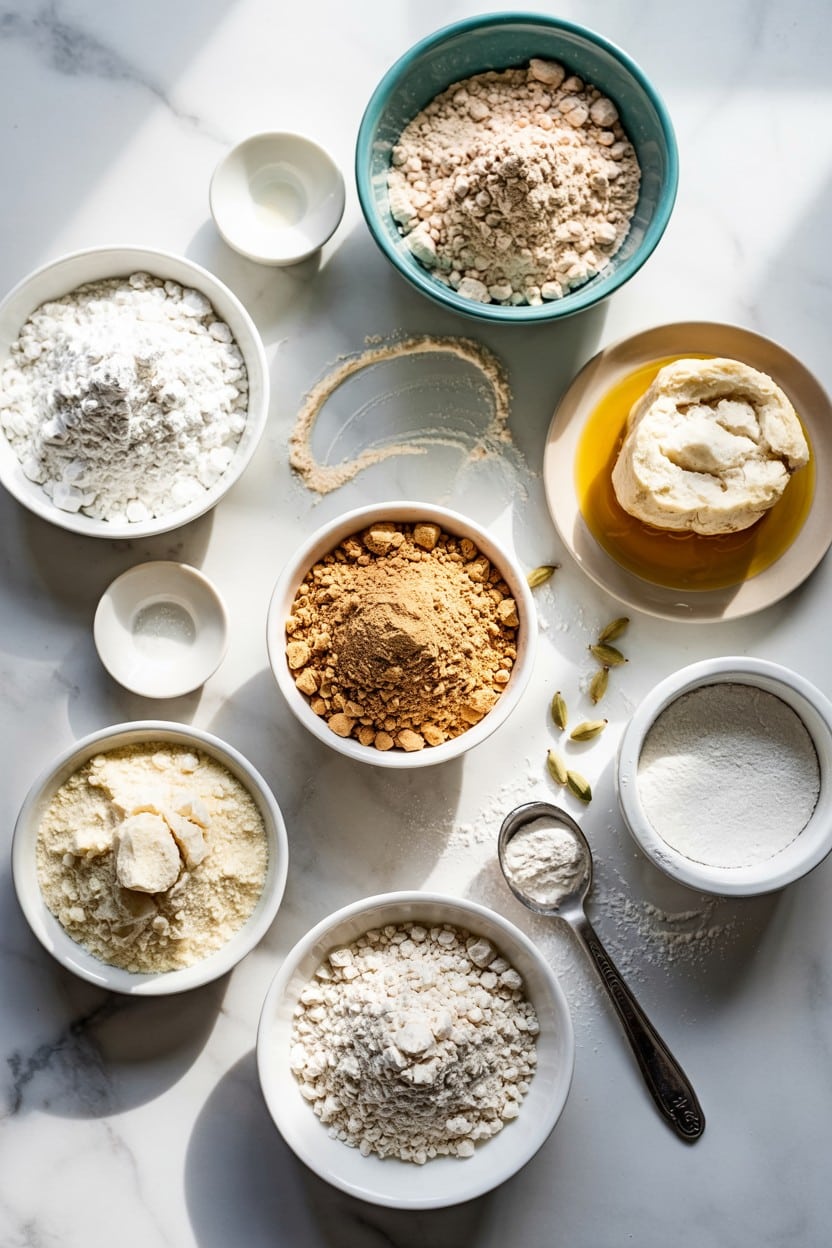
This guide lists seven practical substitutes for maida flour, explaining their best uses, substitution ratios, and adjustments needed for texture and structure in batters, doughs, and coatings.
Prep Time 7 minutes
Cook Time 6 minutes
Total Time 13 minutes
Servings: 4 servings
Course: Substitutes
Cuisine: General

Ingredients
  

  • 1 cup All-Purpose Flour Use 1:1 ratio with maida. Hydration stays the same but dough feels slightly less elastic.
  • 1 cup Whole Wheat Flour Use 1:1 ratio and add extra water due to bran absorbing more. Produces a denser texture.
  • 1 cup Cake Flour Use 1:1 ratio for tender baked goods, but skip in yeasted breads since gluten is lower.
  • 0.75 cup Gram Flour Use ¾ cup per 1 cup maida in coatings and fritters; earthy, nutty chickpea flavor.
  • 1 cup Rice Flour Use 1:1 ratio for batters and coatings. Reduce amount when used in doughs and combine with binder for structure.
  • Gluten-Free Flour Follow package instructions; ratios vary. Add xanthan gum if not included to bind.
  • 1 cup Pastry Flour Use 1:1 ratio for tender, soft crumb bakes. Avoid in bread doughs; won't hold strong rise.

Method
 

  1. Choose your substitute based on the recipe type: all-purpose or pastry for most batters and pastries, whole wheat for hearty breads, or gluten-free blends for celiac-safe baking.
  2. Adjust hydration when using whole wheat flour by adding a tablespoon or two of water to compensate for bran absorption.
  3. Use gram flour primarily for coatings and fritters; measure ¾ cup gram flour per 1 cup maida for best results.
  4. For rice flour in batters or coatings, use a 1:1 substitution; reduce quantity and add a binder when used in doughs to improve structure.
  5. Follow the package instructions for gluten-free flour blends; add xanthan gum if the blend lacks it to avoid crumbling.
  6. Swap cake and pastry flours 1:1 without liquid adjustment for tender baked goods but avoid for yeasted breads or heavy doughs that require strong gluten.
  7. Taste and check dough or batter consistency; adjust liquid gradually for coarser flours like whole wheat or add binders when needed for elasticity.

Notes

Add water slowly when using whole wheat flour to prevent dough stiffness and dryness.

Tried this recipe?

Let us know how it was!