Peel back the loose skin of a tangerine over a bowl of bitter winter greens, and you immediately understand what it brings to a dish - sweetness with a bright edge, floral peel oils that lift into the air, and segments that hold their shape without any fuss.
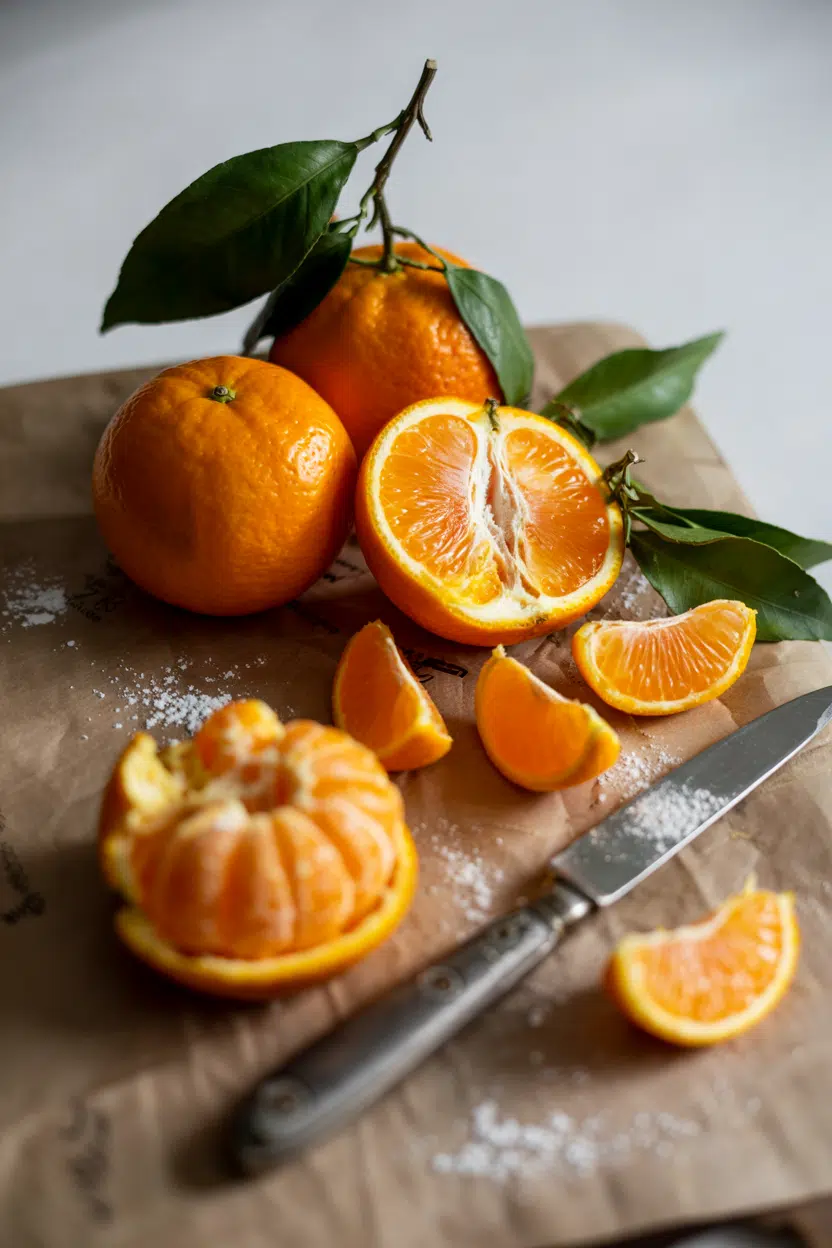
Understanding the differences between orange vs tangerine helps clarify why these two fruits aren't interchangeable in recipes. Tangerines sit in a category of their own: sweeter, softer, and far easier to eat on the spot than most citrus you'll reach for.
If you've ever wondered whether zest from a tangerine can stand in for other citrus, the answer matters as much as knowing when swapping out lime zest makes sense in a recipe.
The tangerine is a small mandarin-type citrus with a thin, loose peel and juicy segmented flesh. It's sweeter and less acidic than a navel orange, with a mild floral tang. Eat it fresh, zest it into dressings, juice it into glazes, or candy the peel for baking.
What Is Tangerine?
Tangerines belong to the mandarin subgroup of citrus, a category that includes Clementines, Satsumas, and several other loosely peeled varieties.
Remember it later
Planning to try this recipe soon? Save it for a quick find later!
They originated in Southeast Asia and were domesticated across China before spreading westward through trade routes into North Africa and eventually Europe and the Americas.
The name "tangerine" comes from Tangier, Morocco - the port through which the fruit was historically shipped into Europe. Today it's used interchangeably with "mandarin" in many markets, though they're technically subtypes of the same species.
Several named varieties fall under this umbrella:
- 🍊 Clementine - nearly seedless, smooth skin, very sweet, most common in grocery stores from November through January
- Satsuma - the loosest peel of any variety, extremely low acidity, favored in Japan and East Asian markets
- Dancy tangerine - the classic American variety, slightly more tart, recognizable red-orange skin
- Honey tangerine (Murcott) - rich, sweet flavor with a higher sugar content than most
Understanding the differences between clementine vs satsuma matters if you're substituting one for another in a recipe where seed count or acidity is a factor.
What Does Tangerine Taste Like?
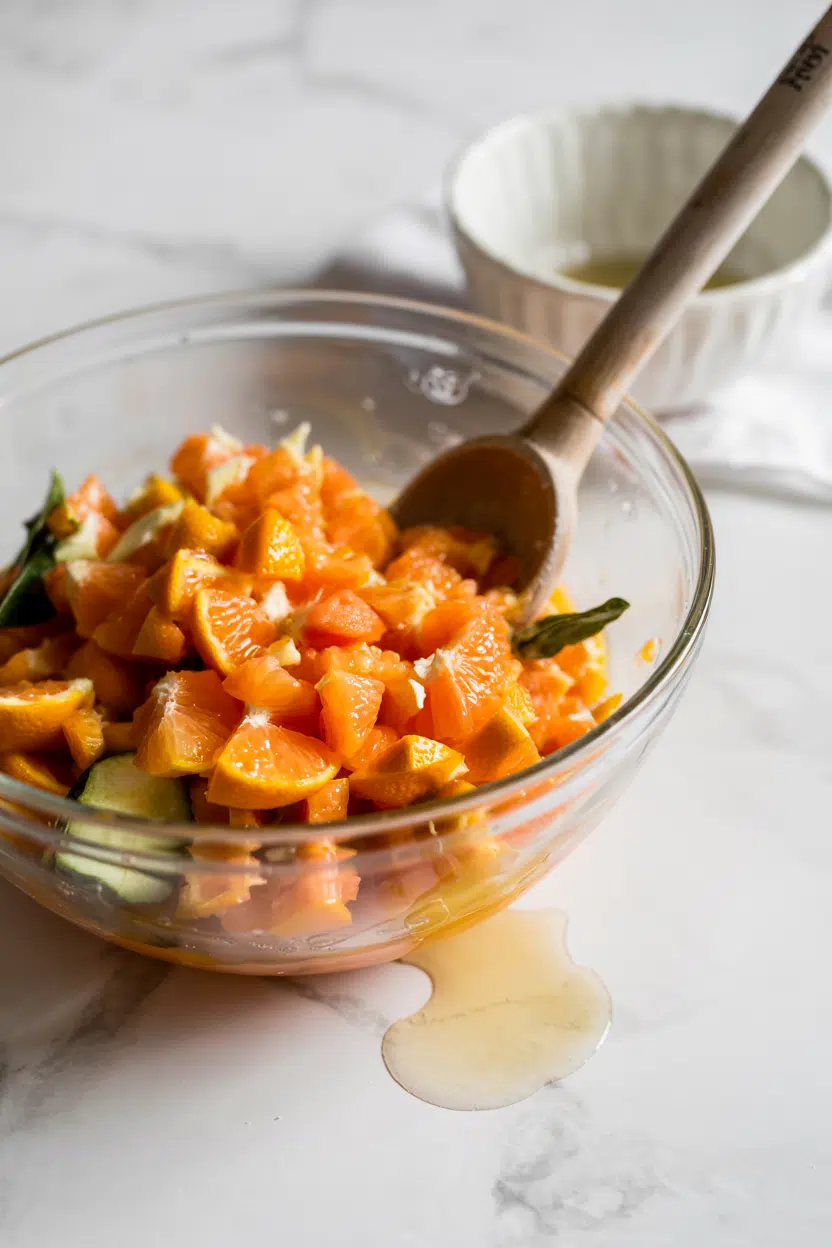
Tangerines are sweeter than most oranges and noticeably less acidic - the balance tips toward sugar with just enough tartness to keep the fruit lively.
That mild tang comes mostly from the outer membrane of the segments, not the juice itself.
The peel oils carry most of the floral complexity - that honeyed, almost perfumed note you notice when you first break the skin.
Once cooked or reduced, that floral edge mellows and the fruit's natural sweetness becomes more pronounced, which is why tangerine juice reduces beautifully into glazes.
Raw tangerine is considerably brighter than cooked. Heat softens the tartness and deepens the sweetness, moving it toward something closer to orange marmalade in character.
How to Use Tangerine
Fresh tangerines work best when their floral brightness stays intact.
Raw segmentation for salads is the most common application - peel, pull segments apart, and toss with bitter greens like arugula or radicchio in small amounts (too much radicchio drowns out the fruit's delicacy).
Tangerine segments pair especially well with fennel, shaved almonds, and goat cheese, and tangerine zest can lift a vinaigrette the way lemon does, though with a softer, sweeter note.
For salad dressings where citrus plays a supporting role, tangerine zest works well alongside olive oil and honey - the same role it fills in recipes like a balsamic vinaigrette dressing (homemade) or a Greek vinaigrette dressing (homemade).
Juiced, tangerine becomes the base for marinades and glazes for pork and duck. Reduced with honey and ginger, it thickens into a lacquer-style glaze that holds on roasted poultry. It also works as a liquid component in cocktails, where its sweetness reduces the need for added sugar.
Candied peel is one of the more rewarding preparations. The peel is blanched, simmered in sugar syrup, then dried - the result is intensely fragrant and less bitter than candied orange peel. Reduced tangerine juice can also become a curd or a tangerine marmalade, which works well anywhere you'd reach for alternatives to lime marmalade in baking and preserves.
| Method | Best For | Tip |
|---|---|---|
| 🥗 Raw | Salads, snacking, breakfast bowls with yogurt or ricotta | Supreme the segments to remove membrane for cleaner texture |
| 🍳 Reduced | Glazes for duck and pork, syrups, curd, marmalade | Reduce juice by half before adding sweetener - less correction needed |
| 🍋 Zested | Vinaigrettes, dressings, baked goods, compound butters | Zest before peeling - loose skin slides off fast and zesting gets harder |
| 🍬 Candied | Confectionery, cake decoration, chocolate bark | Blanch peel three times to cut bitterness before the sugar syrup step |
How to Buy and Store Tangerine
Firm skin with an even orange tone is the first thing to check. A slight glossy sheen indicates the peel oils are still intact - a dull, dry skin means the fruit has been sitting too long. Avoid soft spots or large brown patches, which signal internal breakdown.
Tangerines that feel heavy for their size have the most juice. The peel should give slightly under gentle pressure without collapsing.
For storage, storing tangerine correctly makes a real difference in how long you can hold a batch:
- Room temperature - 2-4 days, fine for fruit you'll eat immediately; keep away from direct sunlight
- Refrigerator crisper drawer - up to 1-2 weeks in a breathable mesh or paper bag; avoid sealed plastic, which traps moisture
- Sliced or juiced - use within 24-48 hours; juice oxidizes and loses its floral brightness quickly
Start With the Fruit, Then Push Further
If you're new to cooking with tangerines, eat one raw first - the flavor tells you exactly what you're working with before you apply any heat or sweetener. Once you've tasted it, the applications become obvious.
For fruit that's past its prime fresh window, don't discard it.
Juice it immediately and reduce that juice into a glaze, or fold it into yogurt.
If you need a swap for any reason, a guide to alternatives to tangerine covers the closest citrus options by use case - juice, zest, and segments each have different best replacements.
Clementine is the most reliable swap in most applications, since alternatives to clementine overlap heavily with tangerine when you're working with either one.
Frequently Asked Questions
Tangerines are a subtype of mandarin, not a separate species. The name "tangerine" is used loosely in North American markets and often refers to any small, loose-peeled mandarin - including Clementines and Satsumas depending on the retailer.
Tangerines are smaller, sweeter, and less acidic than navel or Valencia oranges. Their peel is thin and loose - it pulls away by hand - while orange peel is thicker and needs more effort to remove.
Peak season runs from November through April in the Northern Hemisphere. Clementines arrive first in November, with Satsumas and other varieties following through late winter.
Yes, with adjustments. Tangerine zest is sweeter and more floral than lemon - it works well in baked goods and dressings but won't add the same sharp acidity. Use it where brightness matters more than tartness.
Up to two weeks in the crisper drawer stored in a breathable bag. Sealed plastic traps moisture and accelerates mold, so avoid airtight containers for whole unpeeled fruit.