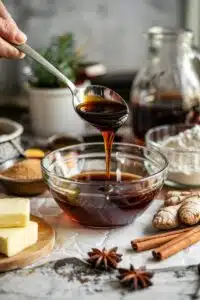
Cochinita pibil without habanero is just pulled pork - technically fine, but missing the volatile citrus heat that makes the dish unmistakable.
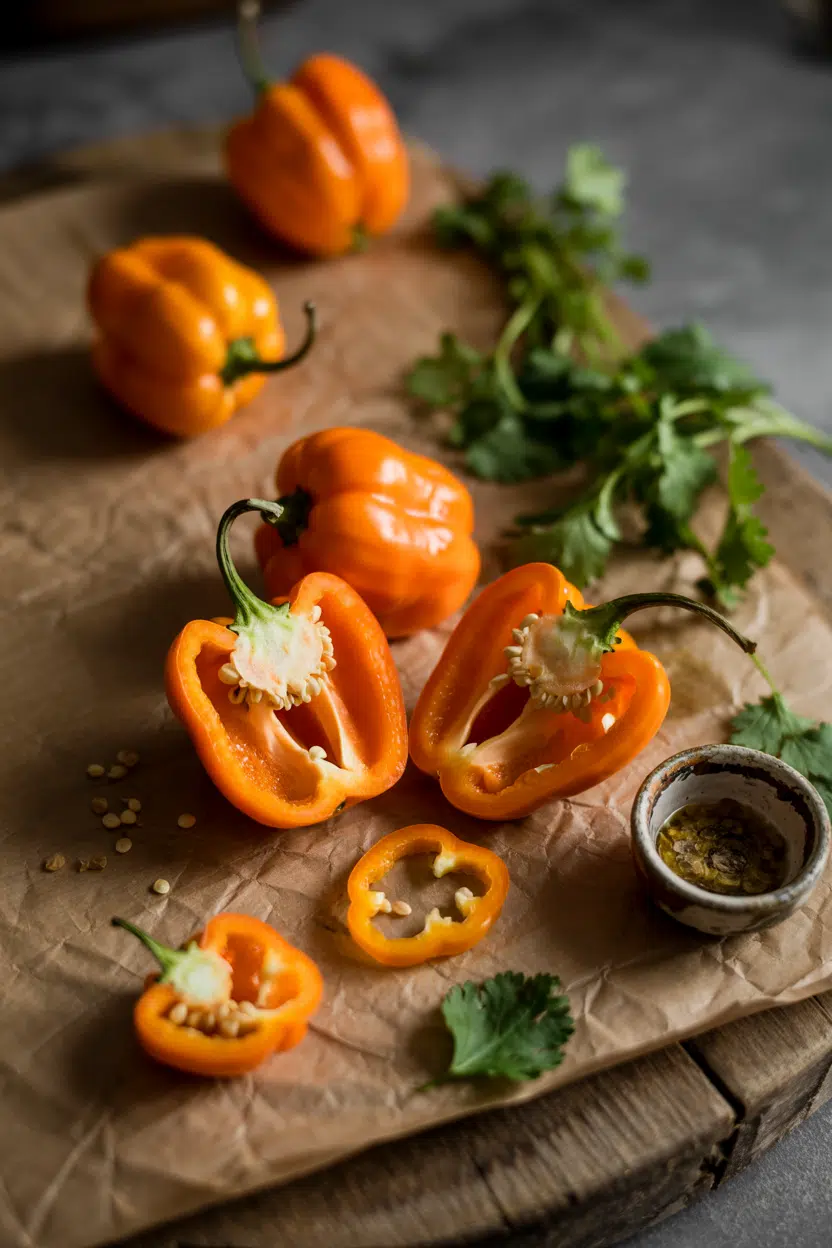
The habanero is a small, lantern-shaped chili that runs 100,000 to 350,000 Scoville heat units, far hotter than a jalapeno or even a serrano.
What separates it from other high-heat chiles isn't just the burn - it's the floral, citrus-forward aroma that arrives before the heat does, making it a specific tool, not just a generic spice.
The habanero is a small, fruity chile at 100,000 to 350,000 Scoville, far hotter than a jalapeño, with bright citrus and floral notes.
Mince it fine or slice it thin, because its heat spreads unevenly in big chunks. One pepper per batch of fruit salsa is usually enough.
The burn peaks after you swallow, so wait a moment before judging a sauce mid-cook.
What Is habanero pepper?
The habanero (Capsicum chinense) traces its roots to the Amazon basin, with the Yucatán Peninsula becoming its most important commercial growing region over centuries. Despite the species name, it has no Chinese origin - the name is a botanical misnomer from early classification.
Remember it later
Planning to try this recipe soon? Save it for a quick find later!
It's also widely sold under the names aji habanero and chile habanero, and frequently misspelled as "habenero."
The pepper is small and lantern-shaped, typically 1-2 inches long. Ripe fruit comes in orange, red, chocolate, or even white, depending on variety, with orange being the most common in North American markets.
Scotch bonnet is its closest botanical relative - similar heat range, same species - though the flavor profiles diverge noticeably.
What Does habanero pepper Taste Like?
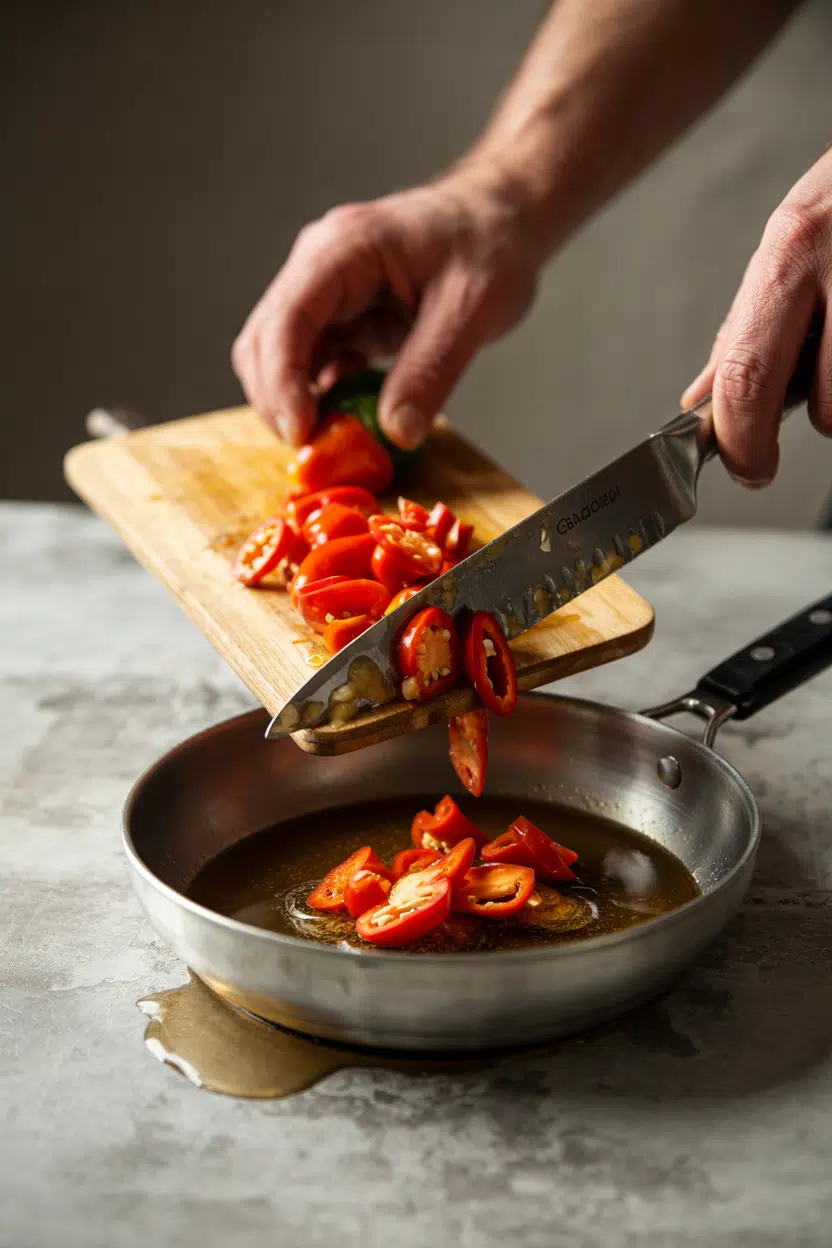
The habanero hits with tangy, bright citrus first - almost like orange zest mixed with floral notes - before the capsaicin wave arrives. That heat is clean and high-climbing, not muddy or smoky the way dried anchos or chipotles read.
Roasting shifts the profile: some of the sharpness mellows, and a subtle smokiness emerges without softening the heat much.
Think of it as a very hot, more citrus-driven jalapeño crossed with a floral Scotch bonnet - sharper and more piercing than most fresh chiles you'll find at a standard grocery store.
How to Use habanero pepper
Raw habanero sliced thin works in pico de gallo and fruit salsas - mango and pineapple both soften the pepper's aggression while the citrus notes amplify the fruit's sweetness.
Use it sparingly; one pepper per batch is usually enough.
The habanero's heat also distributes unevenly in large chunks, so thin slices or fine mince are better for raw applications than rough chopping.
Roasting over an open flame or dry skillet is the standard move for Yucatán-style habanero salsa, which accompanies cochinita pibil and grilled seafood across the region. Charring softens the walls and deepens the flavor without eliminating the heat.
| Method | Best For | Tip |
|---|---|---|
| 🥗 Raw (sliced/minced) | Fruit salsas, pico de gallo, ceviche garnish | Mince finely for even heat distribution |
| 🔥 Roasted/Charred | Yucatán habanero salsa, taco condiments | Char until blistered; don't fully blacken |
| 🌀 Pureed/Blended | Caribbean hot sauces, marinades, jerk rubs | Blend with citrus or vinegar to balance heat |
| 🫙 Pickled | Taco toppings, sandwich condiments | Brine mutes heat slightly; halve for faster infusion |
| 🫗 Infused | Chili oils, vinegar dressings, finishing oils | Remove pepper after 24-48 hours to control intensity |
The habanero pairs tightly with garlic, lime, cilantro, shrimp, and black beans across Yucatán and Caribbean cooking. Slow stewing - as in a black bean soup - mellows the heat noticeably, making it more approachable without eliminating the fruity edge.
Avoid pairing it with delicate milk-based desserts or raw mild greens where large pieces cause uneven, jarring bites.
When habanero is unavailable, most substitutes trade some citrus character for easier sourcing. See habanero pepper substitutes for the options.
How to Buy and Store habanero pepper
Choose peppers that are firm and glossy with no soft spots, split skin, or shriveling - those signs indicate age or dehydration. Color alone doesn't signal ripeness; habaneros are fully ripe across orange, red, chocolate, and white varieties.
A tight, green stem is a reliable freshness indicator regardless of pod color.
Refrigerate unwashed in a breathable bag or paper-wrapped in the produce drawer - they'll hold for 1 to 2 weeks that way.
Room temperature is fine for a couple of days maximum.
For anything beyond two weeks, freeze sliced or pureed in airtight containers; frozen product holds well for up to 6 months.
Scotch bonnet shares the habanero's thin walls and moisture content, so it follows similar storage rules. See scotch bonnet pepper for how it is used in Caribbean cooking.
Habanero-based salsas have their own clock, so check salsa shelf life to keep prepared sauces safe.
Start With One
- 🌶️ First-time users - Add a quarter of one deseeded habanero to a mango salsa and taste before adding more.
- 🔥 Heat-comfortable cooks - Roast one whole pepper and blend into a small-batch Caribbean hot sauce with lime and garlic.
- 🫙 Low-commitment entry - Buy a pickled habanero jar; it's the gentlest version and works immediately as a taco condiment.
- 🔄 Need a swap? Scotch bonnet is the closest match in heat and aroma.
One habanero goes a long way. Start smaller than you think you need.
Frequently Asked Questions
Significantly hotter. Jalapeños average 2,500-8,000 Scoville units; habaneros run 100,000-350,000. That's roughly 12 to 140 times the heat, depending on the specific specimens being compared.
Yes - raw habanero is common in salsas and ceviche. Mince it finely for even distribution, and remove the seeds and white membrane first to reduce heat without losing the citrus flavor.
Add acid (lime juice, vinegar) or fat (avocado, oil) to bind capsaicin and dull the burn. Dairy works too - sour cream or crema added to the finished dish cuts perceived heat quickly.
No, though they're the same species (Capsicum chinense) and similar in heat. Scotch bonnet has a sweeter, slightly earthier flavor; habanero reads sharper and more citrus-forward. They're close but not interchangeable without noticing a difference.
Slightly, yes. Prolonged simmering disperses capsaicin through the liquid, making the overall dish milder while the pepper itself remains hot. Roasting reduces perceived sharpness without dramatically lowering Scoville content.