Most people treat cognac as a sipping spirit and nothing more, missing half of what it can do.
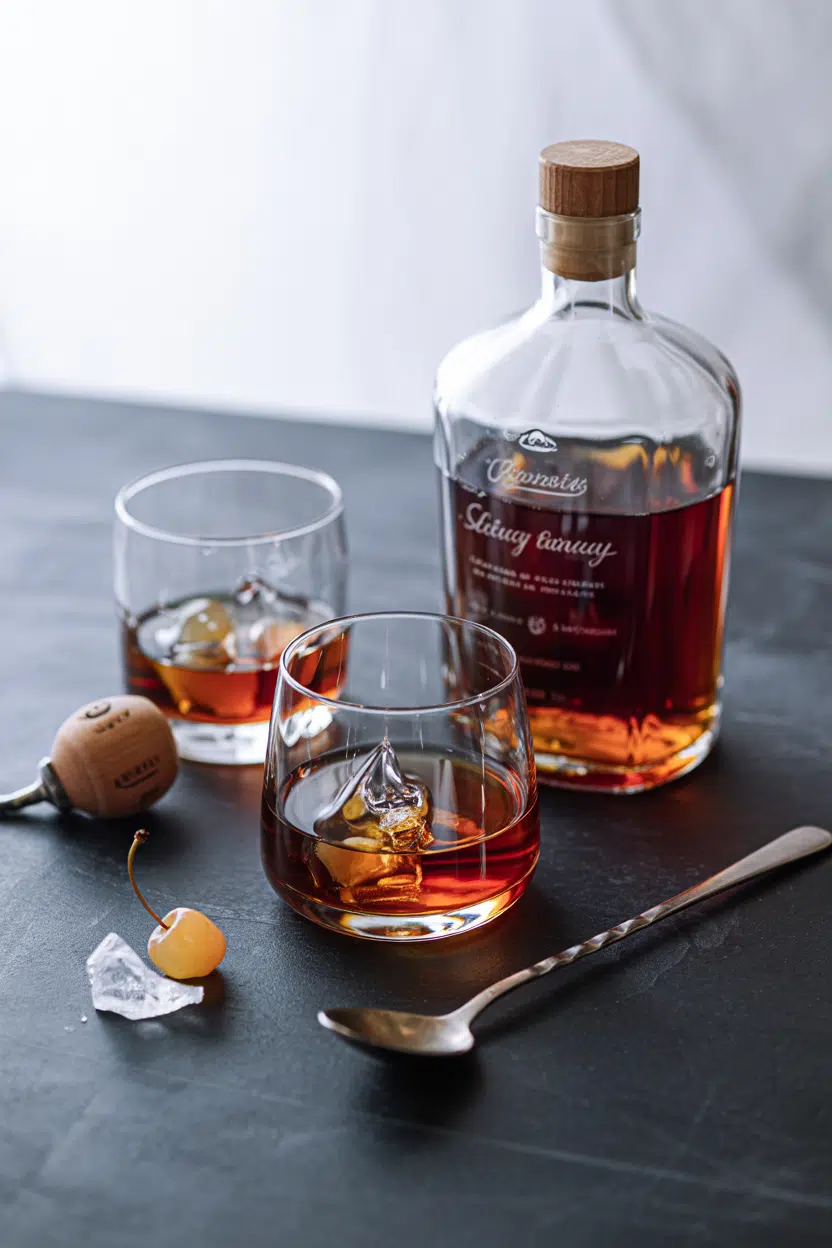
That misread costs real flavor in the kitchen - where its oak-aged depth, dried fruit character, and warming finish outperform generic brandy in sauces, flambés, and marinades by a significant margin.
Cognac is a double-distilled grape brandy from southwest France, aged in oak and graded by age (VS, VSOP, XO). It tastes of dried stone fruit, vanilla, and warm spice with a silky finish - useful in cocktails, pan sauces, flambés, and chocolate desserts.
What Is Cognac?
Cognac is a regulated brandy produced exclusively within the Cognac AOC in France's Charente and Charente-Maritime departments.
Remember it later
Planning to try this recipe soon? Save it for a quick find later!
Under French law, it must be made from specific grape varieties - primarily Ugni blanc (also called Trebbiano) - double-distilled in copper pot stills and aged in Limousin or Tronçais oak barrels.
The spirit is classified by age. VS (Very Special) means the youngest eau-de-vie in the blend is at least two years old. VSOP extends that minimum to four years, and XO to ten years.
Each step up brings greater oak integration and complexity.
The region itself is divided into crus, the most prestigious being Grande Champagne and Petite Champagne, where chalky soils produce the most aromatic base wines. Borderies, by contrast, yields rounder, nuttier spirits from a smaller growing zone.
- VS - youngest; straightforward fruit, ideal for mixing
- VSOP - balanced oak and fruit; works for cooking and light sipping
- XO - deeply aged; reserved for finishing sauces or drinking neat
- Single cru expressions - labeled by growing zone, often from specialty houses
What Does Cognac Taste Like?
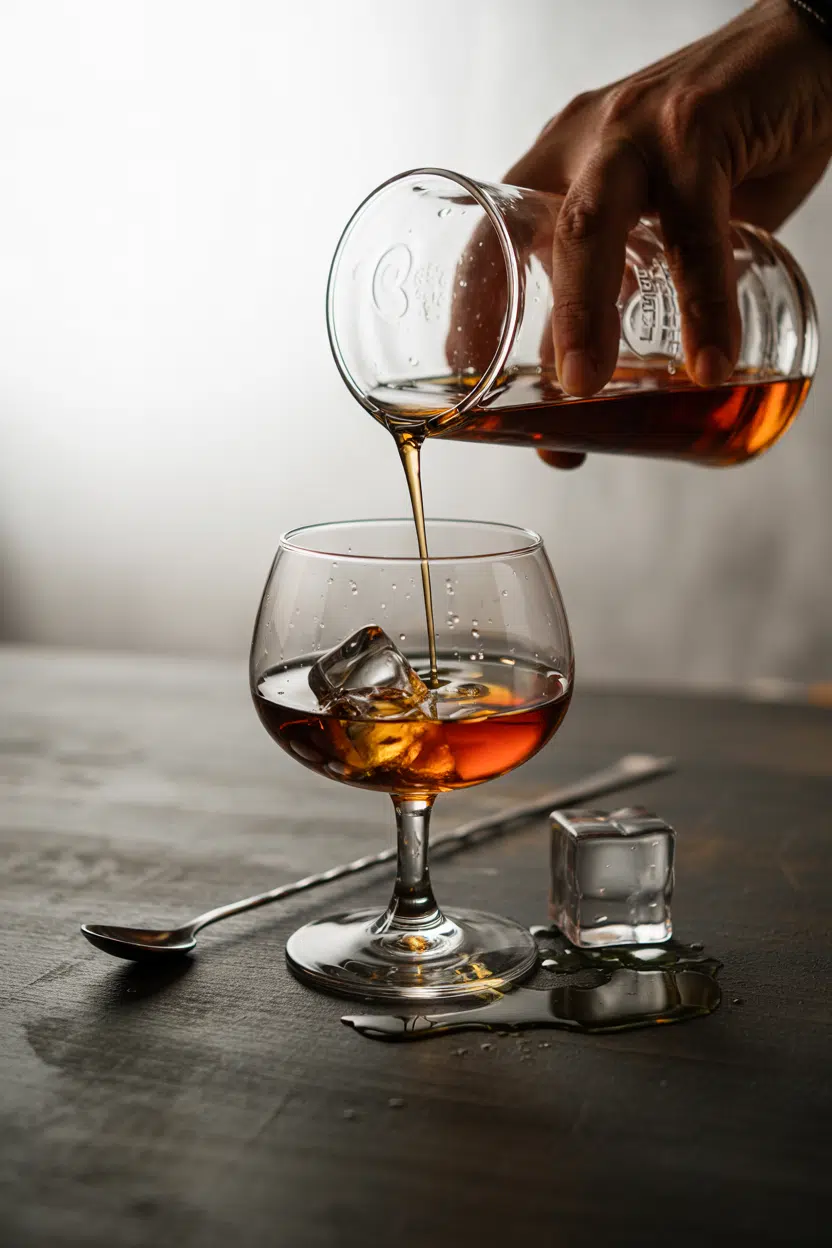
Cognac leads with dried stone fruit - apricot and raisin are dominant - followed quickly by oak-driven vanilla and caramel. Warm baking spice (cinnamon, clove, nutmeg) comes through in the mid-palate, with citrus peel and faint floral notes on the back end.
Compared to armagnac, cognac is typically cleaner and more polished - armagnac tends toward earthier, more rustic character. Against bourbon, cognac is notably less sweet and far more floral, with no corn-grain backbone.
Heat changes the profile. In a hot pan, alcohol volatilizes quickly, leaving behind the fruit and spice notes without the raw burn.
That makes it particularly effective in cream-based sauces, where those residual flavors round out the fat without dominating it.
How to Use Cognac
Deglazing and sauce work is where cognac earns its place most reliably in the kitchen. Add a splash to a hot pan after searing steak or duck, scrape up the fond, then reduce before adding cream or stock. The result is a peppercorn or mustard sauce with depth that a plain stock reduction won't match.
For desserts, cognac is the standard flambé spirit in crêpes Suzette and cherries jubilee. It also works as a finishing spoonful stirred into warm chocolate ganache or caramel just before setting, contributing oak and fruit without sweetness.
Macerating dried fruit is slower but effective. Soak raisins, figs, or apricots in cognac at room temperature for 24-48 hours before folding into holiday cakes or compotes. The fruit absorbs the spirit's spice character evenly.
| Method | Best For | Tip |
|---|---|---|
| 🥩 Deglaze | Steak, duck, roasted poultry pan sauces | Reduce by half before adding cream or stock |
| 🔥 Flambé | Crêpes Suzette, cherries jubilee | Remove pan from heat before adding; tilt to ignite |
| 🍫 Finish | Chocolate ganache, caramel sauce | Stir in off heat - 1 teaspoon per cup of sauce |
| 🍇 Macerate | Holiday cakes, compotes, dried fruit fillings | 24-48 hours at room temperature, sealed jar |
| 🥃 Cocktails | Sazerac, Sidecar, brandy milk punch | Use VS grade; save VSOP/XO for the glass |
Cognac pairs cleanly with dark chocolate, butter, cream, aged cheeses like Comté, black pepper, and orange zest. Avoid it in light, acidic raw preparations - the spirit overwhelms delicate green salads and fresh herb dressings.
If you need a substitute, cognac alternatives worth considering include armagnac, Calvados, or a quality aged brandy depending on the dish.
How to Buy and Store Cognac
Match the age grade to the job. VS bottles (the most affordable) are the right choice for cocktails and cooking - there's no benefit to burning off XO in a sauce.
VSOP works well across both cooking and casual sipping. XO is a sipping spirit first.
When buying, check that the label states Cognac AOC - this guarantees double distillation and oak aging. Clear amber color and an intact natural cork are both good signs.
Avoid any bottle with cloudiness or a cracked, dried-out cork.
Store bottles upright, not on their side like wine. Cognac's high alcohol content degrades natural cork if it stays in constant contact.
Keep the bottle in a cool, dark place - a cabinet away from the stove works well. Once opened, cognac's shelf life runs 1-3 years before noticeable flavor loss, depending on how much air is left in the bottle.
Start Here
If you've only used cognac for sipping, start with a pan sauce. Sear a chicken thigh or steak, deglaze with two tablespoons of VS cognac, and reduce with cream.
That one step demonstrates the spirit's function more clearly than any tasting note.
From there, a Sidecar cocktail shows its citrus and spice balance in a stripped-down context. Those two applications cover most of what this spirit does in the kitchen and at the bar.
Frequently Asked Questions
All cognac is brandy, however not all brandy is cognac. Cognac must come from the Cognac AOC, use specific grapes, and undergo double pot distillation and oak aging - rules that generic [brandy](https://forkliftkitchen.com/brandy/) doesn't require.
Cognac is more floral and fruit-forward, with no grain sweetness. Bourbon carries corn-driven caramel and a heavier body; cognac is silkier and more aromatic with citrus and dried fruit at the fore.
They're minimum age grades for the youngest eau-de-vie in the blend. VS is at least 2 years, VSOP at least 4, and XO at least 10. Older blends carry more oak integration and generally command higher prices.
Yes - it's one of the more useful spirits in a French kitchen. VS grade works for deglazing, flambéing, and macerating; the alcohol burns or evaporates, leaving oak, fruit, and spice behind in the dish.
Typically 1-3 years before the flavor noticeably softens. Transfer to a smaller bottle if less than a third remains - reducing headspace slows oxidation considerably and extends the useful life.