Product note: ForkliftKitchen may earn a commission from qualifying purchases made through product links on this page. Learn more.
Waterloo Raspberry Nectarine is the best Waterloo flavor overall. Its berry and stone-fruit blend feels original without becoming as polarizing as Grape, while Lemon-Lime is the safer case for a mixed crowd.
The first sip sells a sparkling-water flavor.
The finish decides whether you want the other eleven cans.
We kept seven flavors from the current published ranking after verifying an exact Waterloo 12-pack and current offer. Orange Vanilla is excluded because the product search returned other brands rather than an exact Waterloo case, and ForkliftKitchen did not conduct a hands-on tasting.
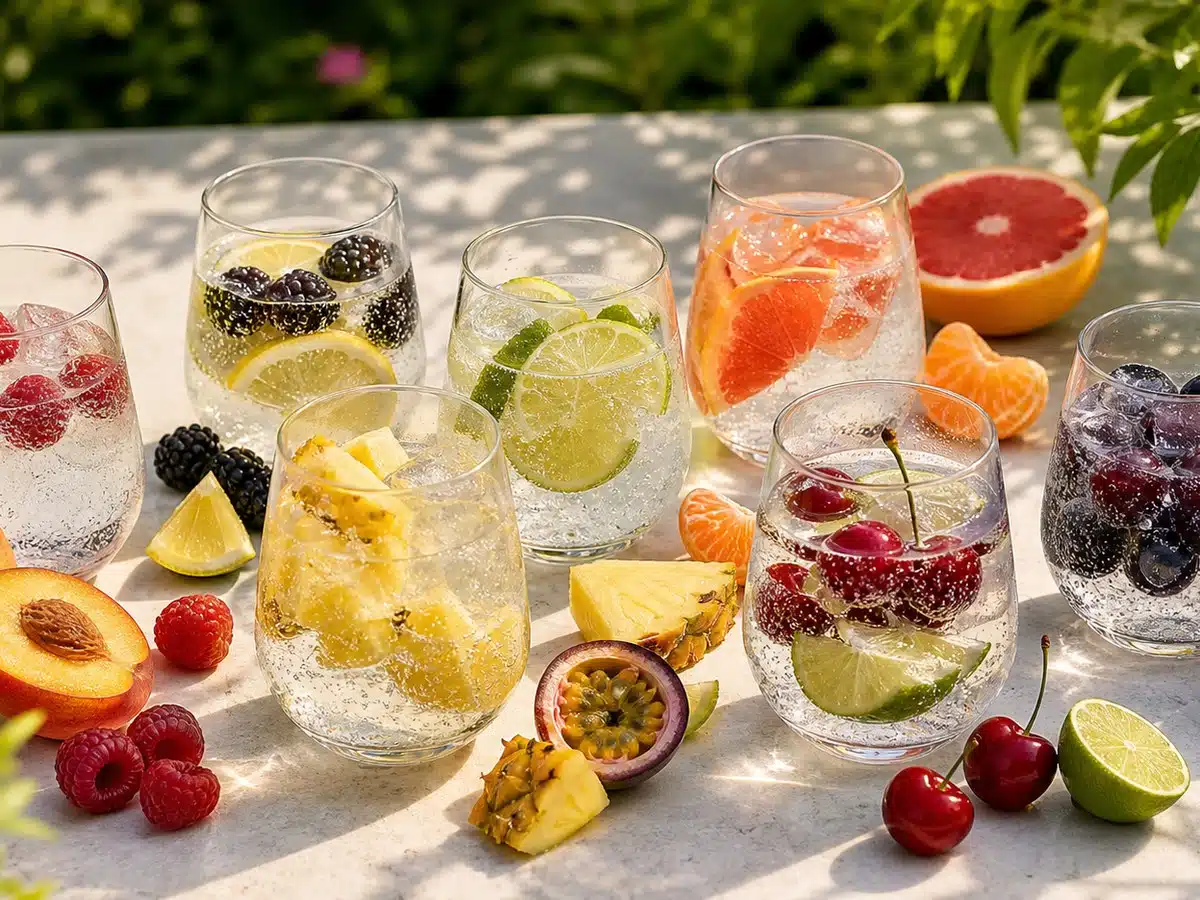
Seven Waterloo Flavors Worth a Full 12-Pack
Every pick is unsweetened sparkling water, so flavor aroma does much of the work that sugar performs in soda.
Save this ranking
Comparing these products later? Save this ranking for a quick return.
A convincing fruit smell can seem sweet even when the drink contains no sweetener. The better blends also use their second fruit to shape the finish, such as lime calming cherry or tangerine smoothing grapefruit.
- 🍒 Fruit clarity. The named fruit should remain recognizable from aroma through finish.
- 🧋 Bubble texture. Fizz should feel crisp and even rather than turn tart flavor harsh.
- 🍭 Perceived sweetness. Candy-like impressions must be distinguished from actual sugar.
- 🔄 Flavor sequence. A second fruit should mellow, brighten, or complete the first.
- 📦 Case risk. A great first sip still needs enough balance for twelve cans.
| # | Flavor | Best For | Key Note |
|---|---|---|---|
| 1 | Raspberry Nectarine | 🏆 Best Overall | Creative berry and stone fruit without a difficult finish. |
| 2 | Blackberry Lemonade | 🫒 Best Dark Berry | Crisp blackberry stays fresh without excessive tartness. |
| 3 | Lemon-Lime | 🍋 Best for a Crowd | Equal citrus notes make the safest case commitment. |
| 4 | Ruby Red Tangerine | 🍊 Best Grapefruit Blend | Tangerine softens the grapefruit finish. |
| 5 | Tropical Fruit | 🍍 Best Nostalgic | Pineapple mellows an adult fruit-punch profile. |
| 6 | Cherry Limeade | 🍒 Best Cherry | Lime limits the medicinal aftertaste common to cherry. |
| 7 | Grape | 🍇 Best Candy-Like | Pungent grape-candy flavor remains smooth and unsweetened. |
1. Waterloo Raspberry Nectarine

Raspberry Nectarine earns first place because the blend is unusual and immediately understandable. Bright raspberry provides the first aroma, while rounder nectarine keeps the fruit flavor from ending in sharp berry tartness.
Sporked found it both original and broadly appealing. That combination matters in a case because novelty alone can become tiring by can three.
The flavor is layered rather than neutral. Drinkers who want plain citrus for meals or cocktail mixing may prefer Lemon-Lime, but Raspberry Nectarine offers more character without Grape's candy intensity.
The bubbles feel crisp against the soft fruit impression, and the finish stays clean enough for repeated cans.
- Original but approachable fruit blend
- Bright opening with a rounded finish
- Crisp fizz supports the fruit aroma
- Less neutral than straight citrus
- Layered flavor may not suit minimalist seltzer drinkers
2. Waterloo Blackberry Lemonade

Blackberry Lemonade is quieter than the name suggests. It brings fresh dark-berry aroma, then uses lemonade brightness to keep the finish crisp instead of syrupy or bitter.
Sporked specifically praised its lack of excessive tartness and bitterness. That smooth finish gives it a better full-case outlook than many berry waters that taste exciting for half a can and abrasive afterward.
Subtlety is also its limitation. A drinker seeking fruit-punch drama may forget it beside Tropical Fruit or Grape.
The clean bubbles and restrained perceived sweetness make it easier to pair with food than its dark color cues might imply.
- Fresh blackberry aroma
- Crisp finish without harsh tartness
- Easy to drink with meals
- Can seem quiet beside bolder flavors
- Not a sugary lemonade substitute
3. Waterloo Lemon-Lime

Lemon-Lime is the case to buy when several people need to agree. Neither citrus dominates, so the flavor lands brighter than plain sparkling water without turning sharply lemony or smelling like lime candy.
The published tasting found both notes equally present. That balance creates a clean wave of citrus, steady fizz, and a finish that works beside lunch or inside a mixed drink.
Familiarity costs it originality, but that is also its advantage. Raspberry Nectarine and Ruby Red Tangerine show more of Waterloo's blending personality.
For a party cooler, office refrigerator, or first Waterloo case, familiar can be exactly the right performance feature.
- Balanced lemon and lime flavor
- Clean crisp finish
- Flexible for food and cocktails
- Least adventurous blend here
- May feel plain to fruit-flavor enthusiasts
4. Waterloo Ruby Red Tangerine

Ruby Red Tangerine gives grapefruit a gentler exit. The opening is zingy and recognizably ruby red, but smooth tangerine follows before bitterness can own the finish.
Sporked found the tangerine natural tasting and the grapefruit fairly mellow. Carbonation sharpens the first citrus impression, then the rounder orange-like aroma restores balance.
Grapefruit-sensitive drinkers still have a reason to pause. Tangerine reduces the bitter edge but cannot remove the flavor preference behind it.
Choose this over Lemon-Lime when you want more sequence and complexity from a citrus case.
- Zingy grapefruit opening
- Smooth natural-tasting tangerine finish
- More layered than straight citrus
- Still risky for grapefruit avoiders
- Less neutral as a mixer
5. Waterloo Tropical Fruit

Tropical Fruit borrows the aroma of fruit punch without copying its syrupy body. Multiple fruit notes arrive together, but pineapple gives the blend a recognizable center and softer finish.
Sporked called it a refined adult version of a nostalgic juice-box flavor. The bubbles make that busy aroma feel lighter and more refreshing than the name might suggest.
This is still a mixed-fruit experience. People who dislike fruit punch may find the flavor crowded even without sugar or sticky sweetness.
It sits in the middle because its playful taste is clear, while Raspberry Nectarine and the citrus blends feel more precise.
- Nostalgic fruit-punch aroma
- Pineapple softens the finish
- Crisp body without sugary weight
- Mixed-fruit flavor can seem busy
- Less food-friendly than simple citrus
6. Waterloo Cherry Limeade

Cherry Limeade solves the most common cherry-water problem with restraint. The cherry is mellow rather than syrupy, and lime arrives at the finish to interrupt the medicinal note that can cling after a sip.
Sporked found the blend subtle and laid back. Crisp bubbles lift the cherry aroma without making the lime aggressively tart.
Lime cannot convert a confirmed cherry hater. It improves the finish, but the first taste remains unmistakably cherry.
This is a good personal case after you know your preference and a poor blind choice for a divided group.
- Mellow cherry flavor
- Lime curbs medicinal aftertaste
- Subtle rather than soda-like
- Still unsuitable for cherry avoiders
- Higher crowd risk than citrus
7. Waterloo Grape

Grape is the boldest sensory gamble in the lineup. Its aroma resembles grape candy, and that pungent character stays through the sip even though the liquid remains unsweetened.
The surprise is texture. Sporked found it smooth rather than sharp, so the fizz supports the candy impression without adding sticky soda weight or a rough finish.
Universal appeal is not the goal. A grape-soda fan who wants bubbles without sugar may love it, while a natural-fruit purist may struggle to finish one can.
Buy twelve only when the grape-candy association sounds like a benefit, not a warning.
- Bold unmistakable grape flavor
- Smooth fizz and clean body
- Candy impression without actual sweetness
- Most divisive case
- Less natural tasting than the top blends
The Best Blends Change Between the First Sip and the Finish
Carbonation pushes aroma upward as soon as the can opens. That first smell can make an unsweetened drink seem fruity and sweet before the liquid reaches your tongue.
Layered flavors use the midpoint and finish to correct the opening.
| Flavor | Opening | Mid-Sip | Finish |
|---|---|---|---|
| Raspberry Nectarine | Bright berry | Round stone fruit | Clean and broadly fruity |
| Blackberry Lemonade | Fresh dark berry | Light citrus lift | Crisp, not bitter |
| Ruby Red Tangerine | Zingy grapefruit | Softer tangerine | Smooth citrus |
| Tropical Fruit | Mixed fruit punch | Pineapple center | Mellow and nostalgic |
| Cherry Limeade | Mellow cherry | Lime brightness | Less medicinal |
| Grape | Grape candy | Grape candy | Smooth but still intense |
Lemon-Lime is the exception because balance exists from the beginning. Neither fruit needs to rescue the other, which explains its crowd safety and lower novelty.
Grape sits at the opposite extreme.
Its consistency is a virtue only when you already want the opening aroma to follow you through the finish.
A 12-Pack Punishes a Bad Flavor Guess
A full case changes the standard from interesting to repeatable. The right question is not whether the first can sounds fun, but whether the flavor will still suit lunch, an afternoon break, and the next hot day.
- Buy Lemon-Lime for a mixed group. Familiar citrus, clean fizz, and a neutral finish create the lowest argument risk.
- Buy Raspberry Nectarine for novelty without chaos. It feels different while keeping the fruit sequence balanced.
- Buy Grape or Cherry Limeade for a known preference. Both depend on a fruit association that people tend to love or reject quickly.
Blackberry Lemonade and Ruby Red Tangerine occupy the middle. Each has enough personality for a dedicated fan, yet a correcting finish prevents the opening fruit from becoming exhausting.
Cold Cans Keep Fruit Crisp and Bubbles Controlled
Serve Waterloo well chilled. Cold temperature keeps fruit aroma focused and carbonation refreshing, while a warm can can make berry, grape, or tropical notes feel heavier.
- Chill before opening. Cooling the sealed can preserves carbonation better than pouring warm sparkling water over a large amount of ice.
- Pour gently when using a glass. A narrow cold glass and minimal stirring reduce the fizz lost to agitation.
- Use ice for immediate drinking. Melting ice slowly dilutes both bubbles and flavor, which matters most for subtle Blackberry Lemonade.
An opened can begins releasing carbonation immediately. Covering it may slow spills, but it cannot restore the crisp bubble texture of a newly opened can.
Frequently Asked Questions About Waterloo Flavors
Why does Waterloo taste sweet without sugar?
Fruit aroma can create perceived sweetness because your brain associates raspberry, grape, nectarine, and other familiar smells with sweet foods. The sensation does not mean the sparkling water contains sugar or a sweetener.
Which Waterloo flavor is best for cocktails?
Lemon-Lime is the most flexible because it adds bubbles and balanced citrus without forcing a berry or candy profile into the drink. Ruby Red Tangerine works when grapefruit and orange already belong in the cocktail.
Which Waterloo flavor tastes most like soda?
Grape creates the strongest candy and soda association, although it remains unsweetened. Tropical Fruit also recalls fruit punch, while Caramel-style sweetness is not part of this sparkling-water lineup.
Can I save an opened can for later?
You can refrigerate it, but carbonation escapes after opening and the next serving will be flatter. A tight can cover may limit spills and outside odors, not return lost bubbles.
What is the safest first Waterloo flavor?
Lemon-Lime is the safest familiar option, while Raspberry Nectarine is the better first case for someone who wants to understand what makes Waterloo's fruit blends distinctive.