Sharp alcohol heat hits first - a quick, almost aggressive warmth that spreads across the back of the throat before the grape-skin bitterness follows.
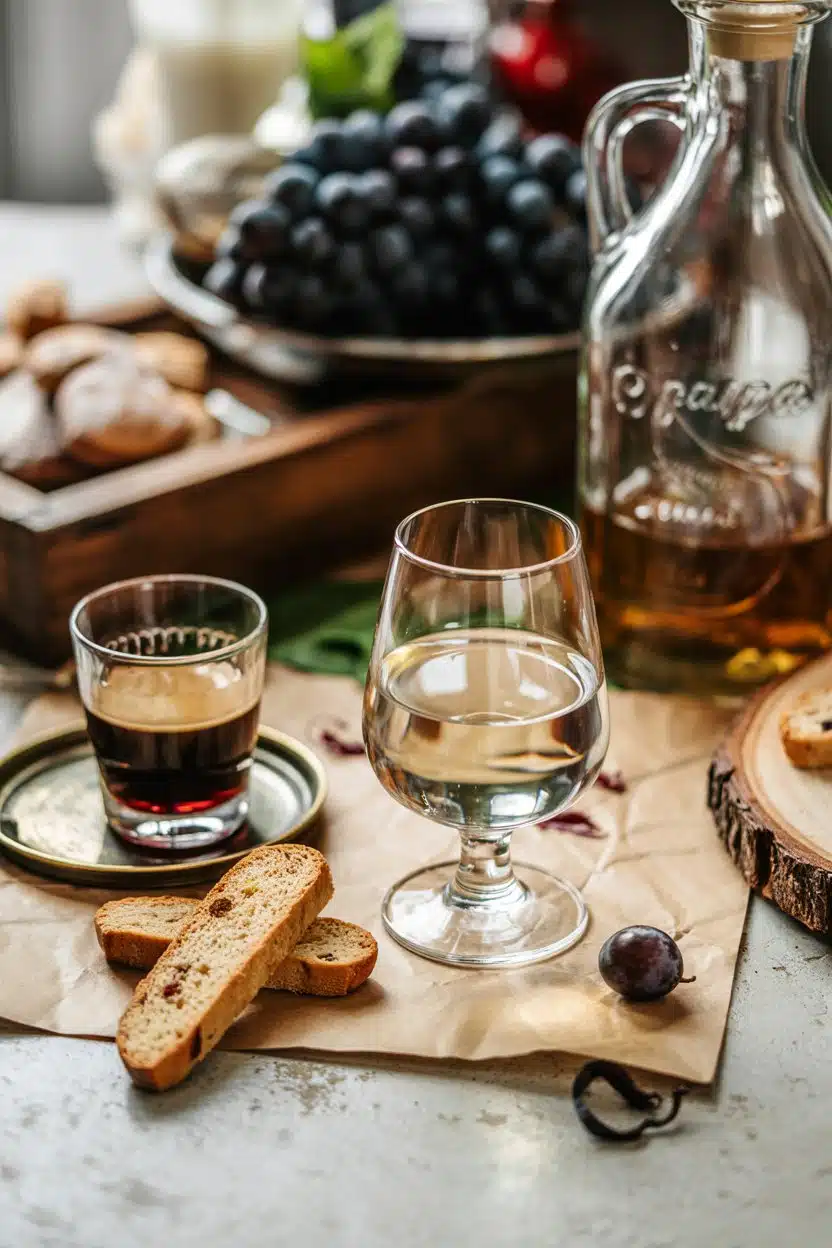
That's grappa in its youngest form, undiluted and unapologetic.
It's a spirit that rewards attention.
Grappa is an Italian pomace brandy distilled from grape skins, seeds, and stems left after pressing. It delivers sharp heat, tannic bite, and grape-skin aromatics - softening considerably when aged in oak. Used as a digestif, in coffee, or in fruit-forward dessert preparations.
What Is Grappa?
Grappa is a pomace brandy - a distilled spirit produced from the fermented skins, seeds, and stems (collectively called pomace) recovered after grapes are pressed for wine. It originated in Northern Italy, with Piedmont, Veneto, Trentino, and Friuli each claiming strong regional traditions.
Remember it later
Planning to try this recipe soon? Save it for a quick find later!
Under EU law, only spirits produced in Italy from Italian pomace can legally carry the name grappa.
Unlike grape-based brandies such as Cognac, which are distilled from wine itself, grappa starts from solid pomace. That distinction matters: the skins and seeds carry concentrated tannins, volatile phenols, and congeners that give grappa its characteristic rawness.
Young, unaged grappa (giovane) is clear; bottles labeled *invecchiata* have spent time in oak casks, developing amber color and a rounder mouthfeel.
The grape variety used shapes the result dramatically. Moscato pomace produces floral, aromatic grappa.
Nebbiolo pomace delivers a more austere, tannic spirit. Prosecco-based grappa sits somewhere in between, with delicate apple-skin freshness.
Flavor
Texture
Aroma
Strong
What Does Grappa Taste Like?
The closest reference point is a bold eau-de-vie - but grappa carries more grape-skin bitterness than you'd find in, say, a clear pear brandy, and considerably more structural roughness than grape-based vodka.
Young grappa leads with sharp, almost green-grape tartness and a peppery finish that lingers.
Aged *invecchiata* grappa changes the story. Oak contact smooths the tannic edge and introduces dried apricot, toasted hazelnut, and a mild vanilla warmth.
The alcohol heat is still present, however it becomes integrated rather than dominant.
In cooking, heat drives off most of the ethanol but leaves behind those concentrated grape-skin aromatics - the herbal, resinous quality that makes grappa worth using over a neutral spirit.
That's the role brandy plays in similar preparations, though grappa's pomace origin keeps it distinctly earthier.
How to Serve Grappa
Grappa is most at home as a digestif, served neat at room temperature in a small tulip glass after a meal. The tulip shape concentrates the aromatics without trapping alcohol vapor the way a wide-mouthed glass would.
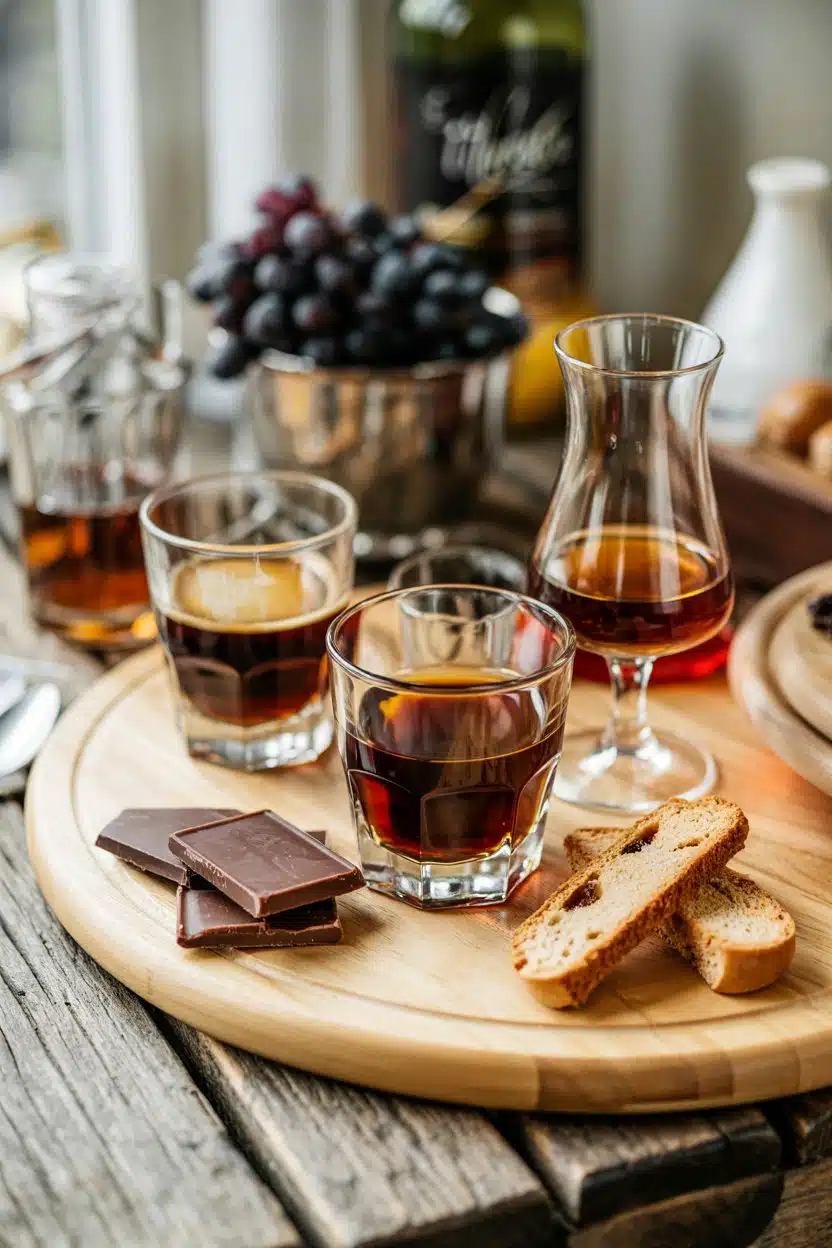
In cooking, it functions best in small doses - enough to add aromatic depth without overwhelming the dish.
| Method | Best For | Tip |
|---|---|---|
| 🥃 Neat | Digestif after meals | Serve at room temp in a tulip glass, never chilled |
| ☕ Caffè Corretto | Spiked espresso, post-meal coffee | Float over espresso; don't stir if you want a layered sip |
| 🍑 Macerate | Dried fruit for panettone, fruitcakes | Cold soak 24-48 hours; the alcohol softens and flavors the fruit |
| 🔥 Flambé | Desserts, roasted figs, stone fruit | Use controlled ignition; grappa's high proof catches quickly |
| 🍫 Stir into sauce | Chocolate ganache, fruit syrups | Add off-heat to preserve volatile aromatics |
| ✨ Finish | Grilled or roasted stone fruit | Brush on warm fruit just before plating for boozy lift |
🇪🇺 European Confectionery
🍰 Pâtisserie
dark chocolate
aged pecorino
poached pears
hazelnuts
dried apricots
grana padano
If a recipe calls for a pomace brandy and you don't have grappa on hand, swapping out grappa for marc or pisco is workable in most cooked applications - though the grape-skin character won't be identical.
For baked recipes built around brandy more broadly, checking replacements for brandy will give you more options by flavor profile.
How to Buy and Store Grappa
Look for bottles labeled by grape variety - single-varietal grappas (Moscato, Nebbiolo, Prosecco) offer cleaner, more traceable aromatics than blended pomace spirits. *Invecchiata* indicates oak aging and a softer profile. Clear, unaged bottles should show no sediment or cloudiness.
- 🏷️ Single-vineyard or variety-labeled bottles deliver the most distinct character
- 🟤 Invecchiata = oak-aged; softer, rounder - good for sipping neat
- 🔍 Check for clarity in young bottles; sediment suggests poor distillation
- 🌡️ Store upright, sealed, away from heat and direct light
- 📆 Opened bottles hold their best aroma for 1-3 years
For a full breakdown on storing grappa correctly - including how proof affects longevity - that guide covers it in detail.
An unopened bottle kept in good conditions won't spoil, however the aromatics in a high-floral Moscato grappa will fade faster than a robust Nebbiolo-based one.
Start Here If You're New to Grappa
Buy a single-varietal bottle - Moscato if you want approachable and floral, Nebbiolo if you want structure.
Serve it neat after dinner before committing it to a recipe.
Once you understand the spirit's baseline heat and bitterness, the cooking applications make immediate sense: you're adding concentrated grape-skin character, not just alcohol.
Treat it like a strong spice.
A little carries the dish; too much takes it over.
Frequently Asked Questions
No - grappa is a specific type of pomace brandy, meaning it's distilled from solid grape pomace rather than from wine itself. Most brandies (including Cognac and Armagnac) are distilled from fermented grape juice, which produces a smoother, fruitier base. Grappa's pomace origin gives it a more tannic, earthy profile that sets it apart from other grape-derived spirits.
Grappa is traditionally served neat at room temperature in a small tulip glass as a digestif after a meal. Chilling it is not standard practice - cold suppresses the aromatics that make it worth drinking. Some prefer it as caffè corretto, floated over a shot of espresso without stirring.
Any wine grape grown in Italy can be used, but the most prized single-varietal grappas come from Moscato, Nebbiolo, and Prosecco pomace. Moscato produces light, floral grappa; Nebbiolo yields a more tannic, austere spirit; Prosecco-based grappa tends toward crisp, apple-skin freshness. Blended grappas use pomace from multiple varieties and are generally less distinctive.
Both styles exist. Young grappa (giovane) is clear and unaged, with the sharpest, most raw grape-skin character. Aged grappa, labeled invecchiata, spends time in oak or chestnut casks and takes on amber color with a noticeably softer, rounder mouthfeel. The aging period must be at least 12 months to carry the invecchiata designation under Italian regulations.
Yes, and it's well-suited to certain applications - macerating dried fruit, making ganache, or finishing warm stone fruit - where its concentrated grape-skin aromatics add something neutral spirits can't. Use a young, clear grappa for macerating and finishing; reserve aged bottles for sipping. A little goes a long way: even 1-2 tablespoons in a sauce or ganache is usually enough.