Broiled grapefruit halves dusted with raw sugar show up on brunch menus regularly, and they're a good example of what this fruit does well - the heat softens the bitterness, the caramelized crust adds sweetness, and the acidity cuts through anything rich on the plate.
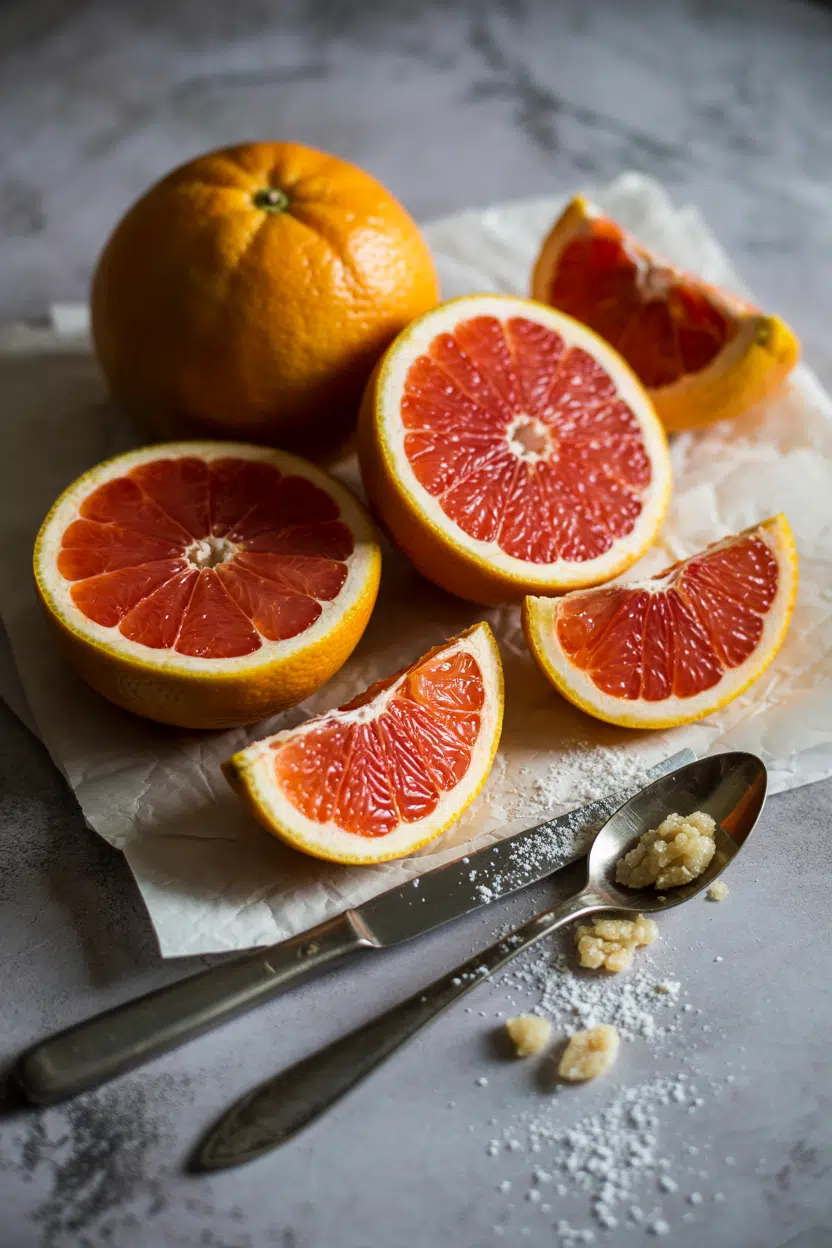
Grapefruit earns its place at every stage of cooking, from fresh juice squeezed into a morning glass to zest folded into marinades.
If you need replacements for grapefruit juice or lemon extract swaps that work in a pinch, those exist - however, understanding what makes grapefruit itself worth using is a better starting point.
Grapefruit (Citrus × paradisi) is a thick-rinded citrus with juicy, segmented flesh and a flavor built on bright sourness, distinct bitterness from naringin, and subtle sweetness in pink and red varieties. Eat it raw, juice it, broil it, or supreme it into salads.
What Is Grapefruit?
Grapefruit is a citrus fruit that originated in Southeast Asia as a natural hybrid between a pomelo and a sweet orange, first documented in Barbados in the 18th century. Today, the largest commercial crops come from Florida, Texas, and Israel.
Remember it later
Planning to try this recipe soon? Save it for a quick find later!
Its botanical name is Citrus × paradisi, and it grows in clusters on the tree - which is where the name "grapefruit" comes from.
The fruit is round, ranges from softball- to cantaloupe-sized, and has a thick, aromatic rind that holds fragrant citrus oils.
Varieties split into two main camps:
- White/yellow grapefruit - pale yellow flesh, sharper bitterness, higher acidity; includes varieties like Marsh and Duncan
- Pink and red grapefruit - deeper colored flesh from lycopene and beta-carotene; includes Ruby Red and Star Ruby, both noticeably sweeter and less bitter than white types
Ruby Red, developed in Texas and first patented in 1929, remains the most widely sold variety in the United States.
What Does Grapefruit Taste Like?
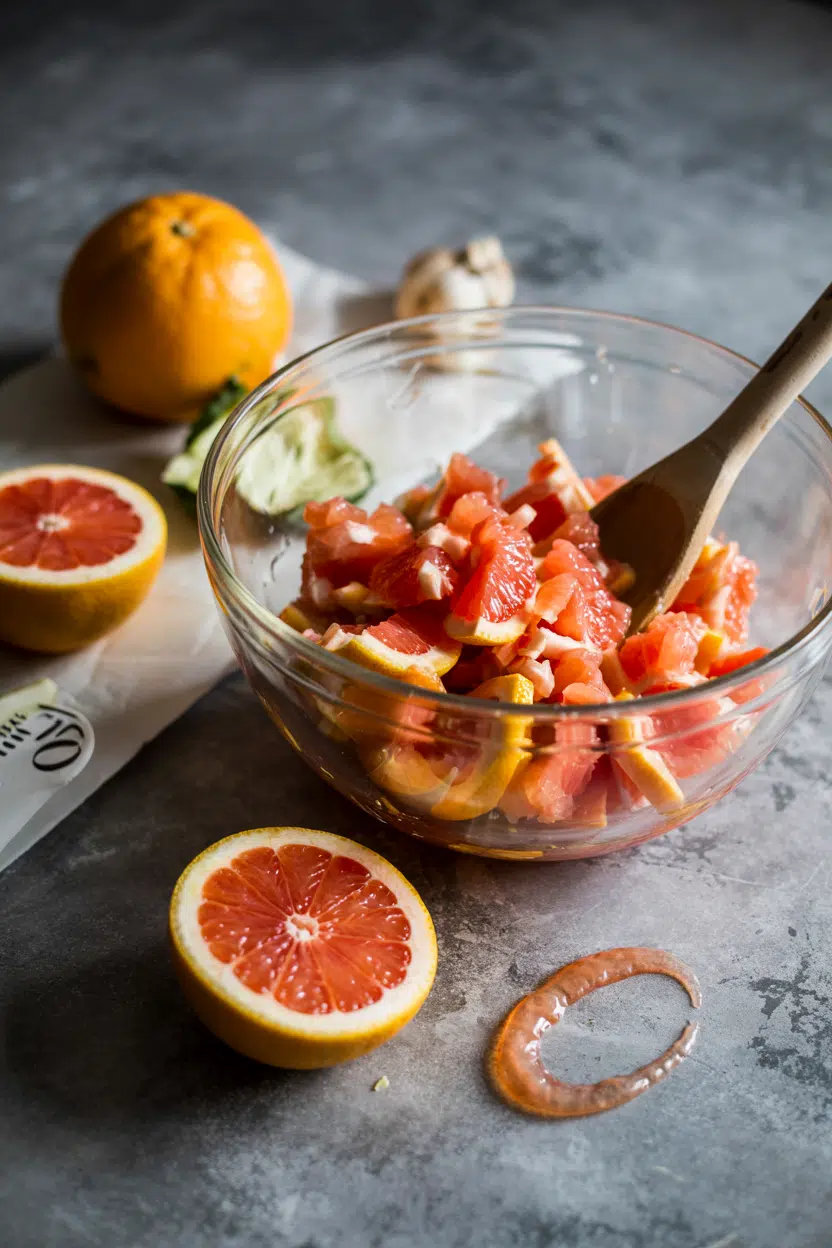
Grapefruit hits three notes at once: bright citrus sourness, a clean sweetness (more pronounced in pink and red varieties), and a sharp, lingering bitterness that sets it apart from every other common citrus.
That bitterness comes from naringin, a flavonoid compound concentrated in the pith and membranes.
Think of it as a tart orange with a sharper edge - closer in acidity to pomelo, however with considerably more bitterness than either.
Heat mellows the naringin noticeably, which is why broiled grapefruit tastes rounder than raw.
Sugar and salt both suppress bitterness on contact, which is why a pinch of flaky salt over a fresh half works so well.
How to Use Grapefruit
Supreming - cutting away the peel, pith, and membranes to release clean, tear-shaped segments - is the most precise way to use grapefruit raw. Those segments fold into salads with avocado, fennel, and olive oil without turning watery. A classic avocado-fennel-grapefruit salad is a good entry point for swapping out grapefruit if you need an alternative that delivers similar acidity.
Grapefruit juice is essential in the Paloma, Mexico's most popular tequila cocktail, where it balances the spirit's agave sweetness.
It also appears in marinades for shrimp and other shellfish - the acid tenderizes without overcooking the way lime sometimes can.
Zest from the rind adds concentrated citrus oil to vinaigrettes, baked goods, and glazes.
For baking substitutions, lemon extract swaps that work can sometimes stand in when grapefruit zest isn't available.
| Method | Best For | Tip |
|---|---|---|
| 🥗 Supreming | Salads, yogurt bowls, tartare | Cut segments over a bowl to catch the juice for dressings |
| 🔥 Broiling/Torching | Breakfast halves, desserts | Sprinkle raw or brown sugar and torch until caramelized |
| 🥤 Juicing | Cocktails, marinades, reductions | Roll before cutting to maximize juice yield |
| 🍊 Zesting | Baked goods, glazes, vinaigrettes | Zest before cutting - it's far easier on whole fruit |
| 🫙 Preserving | Marmalade, candied peel | Blanch peel twice to cut bitterness before candying |
Grapefruit pairs cleanly with avocado, mint, honey, tequila, gin, and shrimp. Avoid pairing it with highly tannic red wines - the bitterness compounds clash badly.
When building cocktails, knowing replacements for orange bitters can help balance a Paloma variation if your bar cart is missing that bottle.
How to Buy and Store Grapefruit
Pick fruit that feels heavy for its size - that weight signals juice content, not flesh volume. Skin should be smooth and slightly glossy.
Thin-skinned fruit yields more juice; thick-rinded fruit is better for zesting and candied peel projects. Skip anything with soft spots, deep blemishes, or a dried-out stem end.
For storage, whole fruit keeps 5-7 days at room temperature and up to 2-3 weeks in the refrigerator crisper drawer.
Cut segments or juice last 2-3 days in a sealed container in the fridge.
The full breakdown on keeping grapefruit fresh covers how temperature and packaging affect juiciness over time.
Zest can be frozen in small portions and kept for up to three months - similar to how lime zest swaps that work often rely on frozen zest when fresh citrus isn't on hand.
Start Here With Grapefruit
New to cooking with grapefruit? Start with a broiled half. Cut it crosswise, loosen the segments with a paring knife, scatter raw sugar over the top, and torch or broil until caramelized.
That single preparation shows you what heat does to the bitterness and why this fruit earns a spot beyond the breakfast table.
Once you're comfortable there, move to supreming - that technique opens up salads, seafood dishes, and cocktail garnishes.
Frequently Asked Questions
Both, depending on the variety. White grapefruit leans strongly bitter and tart, while pink and red varieties like Ruby Red are noticeably sweeter. The bitterness comes from naringin, which is concentrated in the pith and membranes.
The compound naringin causes the bitterness. It's a flavonoid found throughout the fruit but is highest in the white pith and segment membranes. Removing those carefully during supreming reduces bitterness significantly.
Pomelo is larger, has much thicker pith, and tastes milder with less bitterness. Grapefruit is actually a pomelo hybrid, but it's smaller, juicier, and considerably more acidic and bitter than its parent fruit.
No. White and yellow-fleshed varieties like Marsh are the original type - pink and red grapefruits came later through selective breeding. Red flesh color comes from lycopene, which is absent in white varieties.
Yes, with caveats. Whole grapefruit doesn't freeze well - the texture breaks down badly. Freeze supremed segments or juice in airtight containers instead; both keep well for up to three months and work fine in cooked applications and cocktails.