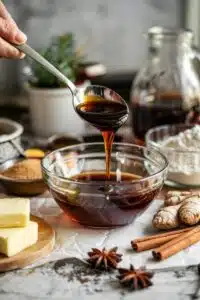
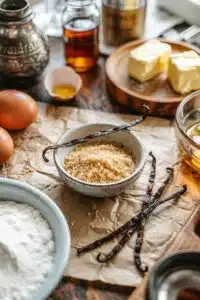
Plum does something in the kitchen that most fruit can't - it crosses between dessert and main course without losing credibility.

Ripe, it brings stone-fruit sweetness with enough acidity to balance rich meats; cooked down, it becomes the kind of jammy, concentrated base that anchors glazes, tarts, and compotes.
If you're already familiar with swapping out apricot in recipes, plum offers a darker, more tannic alternative worth having in your rotation.
Plum is a stone fruit with sweet-tart flesh that shifts from bright and acidic when underripe to rich and jammy when cooked or fully ripe. It works raw in salads, roasted with meat, or preserved as jam and sauce.
What Is Plum?
Plum belongs to the stone fruit family - botanically Prunus domestica for the European type and Prunus salicina for the Japanese type - both sharing a smooth skin, fleshy body, and hard central pit.
Remember it later
Planning to try this recipe soon? Save it for a quick find later!
Domesticated first in China, the fruit spread westward along trade routes and eventually took root across Europe and the Mediterranean.
Dozens of named varieties exist, ranging from small, tart damson plums to large, sweet Santa Rosa and Black Amber types.
Skin color runs from deep purple and burgundy to red, yellow, and green, with flesh that can be golden, red, or anything between.
A few related names come up in recipes:
- 🔵 Prunus spinosa (sloe) - a wild, intensely bitter plum used mainly for sloe gin
- 🟡 Greengage - a sweet, green-fleshed European variety with low acidity
- 🟤 Damson - small, dark, and notably tart; favored for jam and preserves
- 🍂 Prune plum - a high-sugar variety bred specifically for drying into prunes
Understanding alternatives to prune is useful when a recipe calls for dried plum but you only have fresh - the substitution affects both texture and sugar content.
What Does Plum Taste Like?
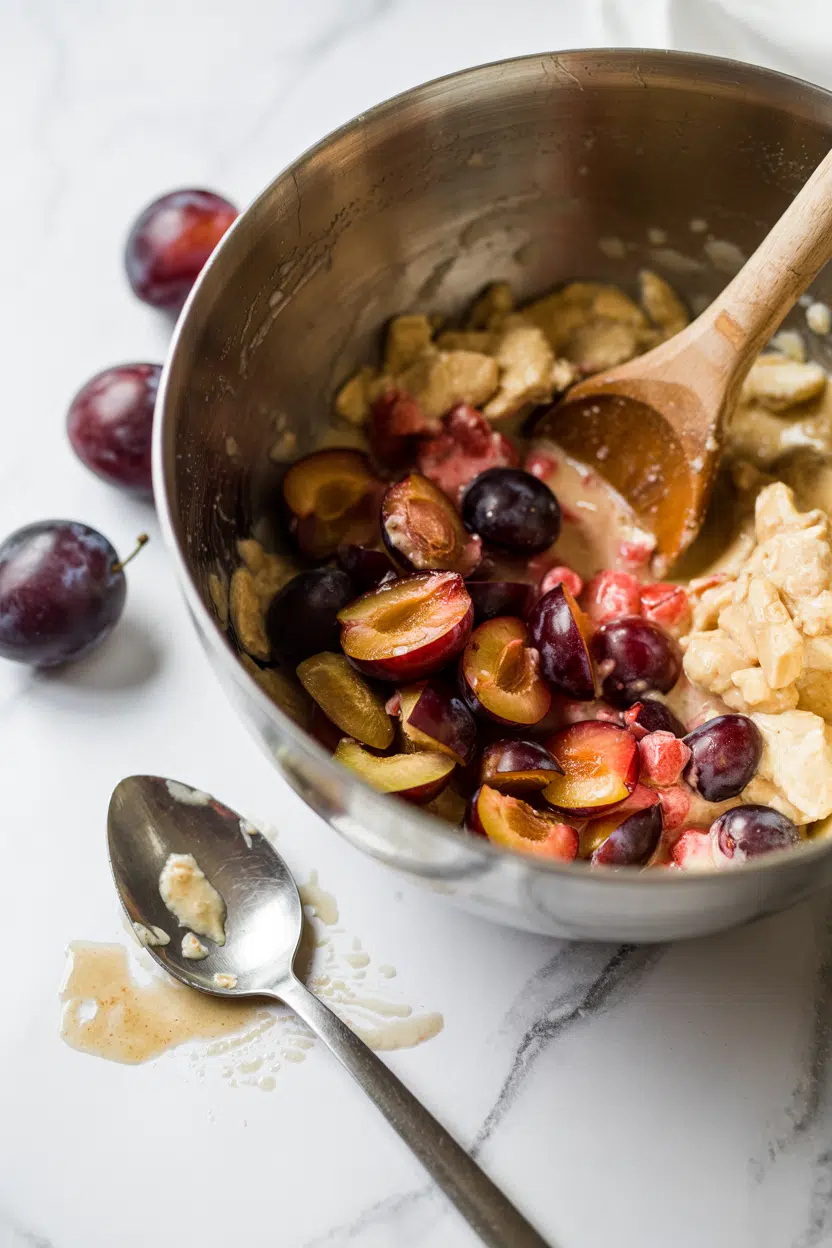
A ripe plum tastes closest to a sweet apricot crossed with a cherry - stone-fruit sugar up front, a distinct floral note mid-palate, and a clean tangy finish from its natural acidity.
Underripe fruit skews sharply toward tart green apple territory, with almost no sweetness detectable.
Heat changes the profile considerably. Roasting or stewing concentrates the sugars, softens the acidity, and pushes the flesh into a deep, almost winey richness that raw plum never reaches.
That transformation is exactly why plum works in savory glazes and slow-cooked sauces - the raw fruit and the cooked version are functionally different ingredients.
How to Use Plum
Plum's range across sweet and savory cooking is wider than most stone fruits. Raw, sliced plum adds color and bright acidity to salads - particularly alongside goat cheese and toasted walnuts, where the fat softens its tartness.
The cherry pepper and its flavor profile shows a similar balance of sweetness and bite that works in the same salad applications.
Roasting is where plum earns its savory credentials. Halved and roasted with honey, ginger, and a little balsamic, plum pairs directly with pork tenderloin or duck breast - the rendered fat and the jammy fruit work together the way a classic sauce would.
Star anise and cinnamon extend that direction further.
| Method | Best For | Tip |
|---|---|---|
| 🥗 Raw | Salads, cheese boards, fresh salsas | Slice thin; remove skin if texture is a concern |
| 🍳 Roasted | Meat glazes, dessert with yogurt or ricotta | High heat caramelizes skin; add honey in last 10 minutes |
| 🥘 Stewed | Compote, plum sauce, jam base | Low heat preserves tartness; high heat deepens sweetness |
| 🥧 Baked | Tarts, galettes, clafoutis, cakes | Stone-in baking adds flavor; remove pit for clean slices |
| 🔥 Grilled | Side for grilled meats, smoky desserts | Grill cut-side down only; flesh softens fast |
Plum sauce in Chinese cooking uses the fruit with vinegar, ginger, and soy to produce the sweet-sour dipping sauce served with duck and spring rolls. Central and Eastern European traditions lean into tart varieties for compotes and dumplings, while French baking relies on firm plums in galettes and clafoutis. For preserved forms, the distinction between comparing plum butter vs plum jam options matters - butter is smoother and more concentrated, while jam retains more texture.
How to Buy and Store Plum
At the market, press gently near the stem end - a ripe plum yields slightly without feeling mushy or grainy. Smooth, unbroken skin and a noticeable fragrance near the stem are the best signs of fruit ready to eat.
Avoid any with shriveled skin, brown soft spots, or no scent at all.
Store unripe plums at room temperature, away from direct sun, until they soften. Once ripe, move them to the fridge's crisper drawer.
Full guidance on keeping plum fresh covers exact timelines for whole, halved, and cooked fruit.
- Unripe, room temp - ripens in 2-7 days depending on starting firmness
- Ripe, refrigerated - holds 3-7 days in the crisper
- Cut fruit - store in an airtight container; use within 3 days
- Cooked or jammed - refrigerate and use within 2 weeks; longer if properly canned
If your plum haul is more than you can use fresh, alternatives to plum lists which fruits step in for fresh or cooked applications when supply runs short.
Where to Start With Plum
Start raw if you want to understand the fruit - slice a ripe plum over yogurt or into a salad and you'll read its acidity and sweetness clearly.
Move to roasting once you're ready to use it in cooking: halved with honey and heat, the fruit reveals the jammy depth that makes it useful in sauces and baked goods.
New to plum-based preserves? The plum jam and compote route is forgiving - the fruit breaks down easily and the flavor payoff is significant.
From there, savory applications like glazes and plum sauce follow naturally.
Frequently Asked Questions
A prune is simply a dried plum - most often from high-sugar varieties like the d'Agen or Italian prune plum. Fresh plums and prunes differ significantly in texture, sugar concentration, and sorbitol content, which gives prunes their well-known digestive effect.
Fresh plums are moderate in sugar - around 7-10 grams per 100g, lower than grapes or mangoes. Dried plums (prunes) are far more concentrated, with roughly 38 grams of sugar per 100g.
Leave them at room temperature in a paper bag with a banana or apple. The trapped ethylene gas speeds ripening noticeably - check after 24 hours, as firm fruit can go soft quickly.
Yes - roasted or reduced plum works well with duck, pork, and lamb. The key is adding an acidic element like vinegar or citrus to prevent the sweetness from overwhelming the dish.
It does, particularly in East Asian liqueurs and European fruit brandies. The flavor profile is close enough to peach-family spirits that understanding peach schnapps and its flavor helps predict how plum-based liqueurs will behave in cocktails.