Most people assume double cream is just a richer version of whatever cream they already use - and that assumption costs them. It behaves differently, whips faster, and holds structure that lighter creams simply can't match.
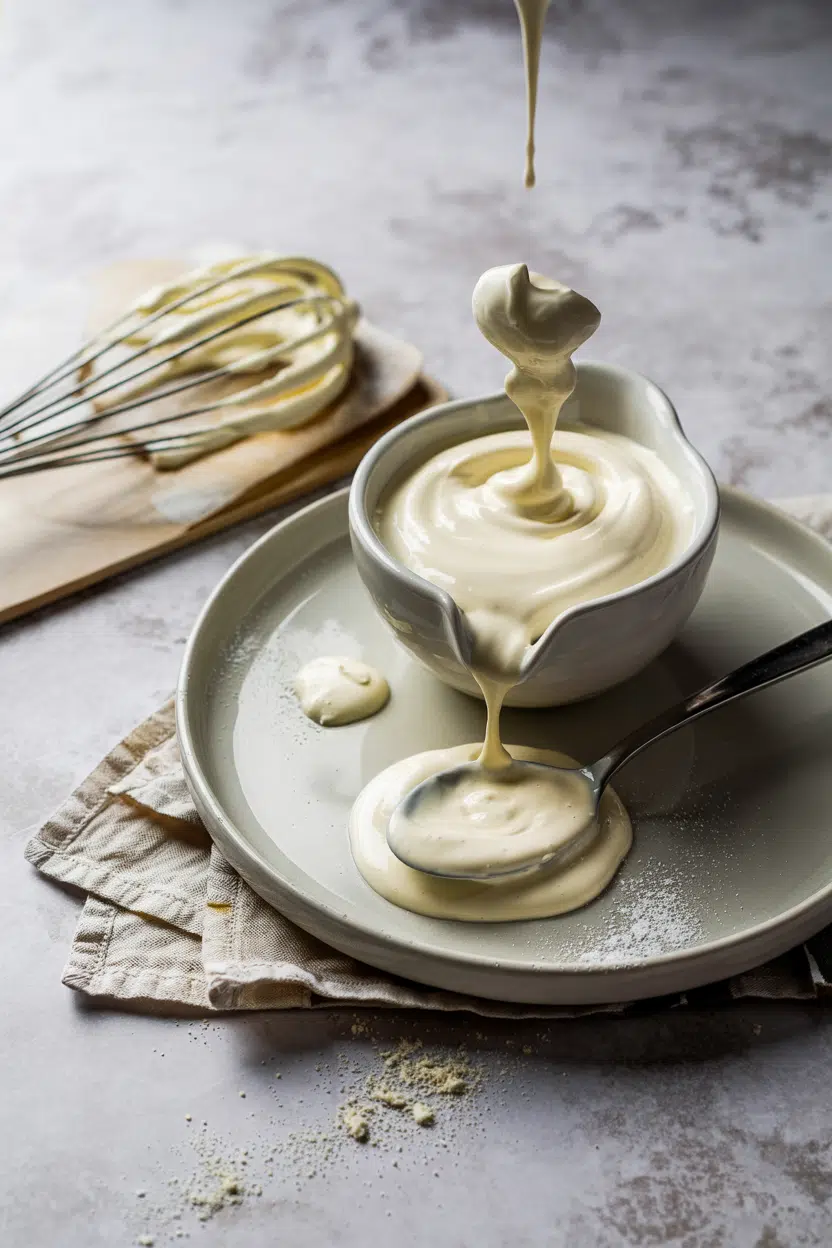
Double cream is a high-fat British cream (~48% butterfat) with a rich, buttery flavour and thick, coating texture. It whips to stable peaks faster than heavy cream, resists curdling in hot sauces, and works across desserts, pan sauces, and custards.
What Is Double Cream?
Double cream is a high-fat dairy cream produced from cow's milk, defined by its unusually elevated butterfat content - around 48% in UK-standardised products.
Remember it later
Planning to try this recipe soon? Save it for a quick find later!
That fat percentage is what separates it from single cream (~18% fat) and even heavy cream (~36% fat in the US), placing it in a category of its own.
The name comes from the old British practice of skimming cream twice from unhomogenised milk, concentrating the fat layer. It's sold widely across the UK and Europe, and you'll sometimes see it labelled simply as "48% cream" in European markets.
Several distinct forms exist on shelf:
- Pasteurised fresh double cream - the standard; richest flavour, shortest shelf life
- UHT double cream - heat-treated for longer storage, slightly cooked note to the flavour
- Organic double cream - same fat spec, often from grass-fed herds with a marginally more pronounced dairy character
In American kitchens, heavy cream is the closest equivalent, though it falls noticeably short on fat content. If a recipe calls for double cream and you can't source it, there are double cream alternatives worth knowing before you start.
What Does Double Cream Taste Like?
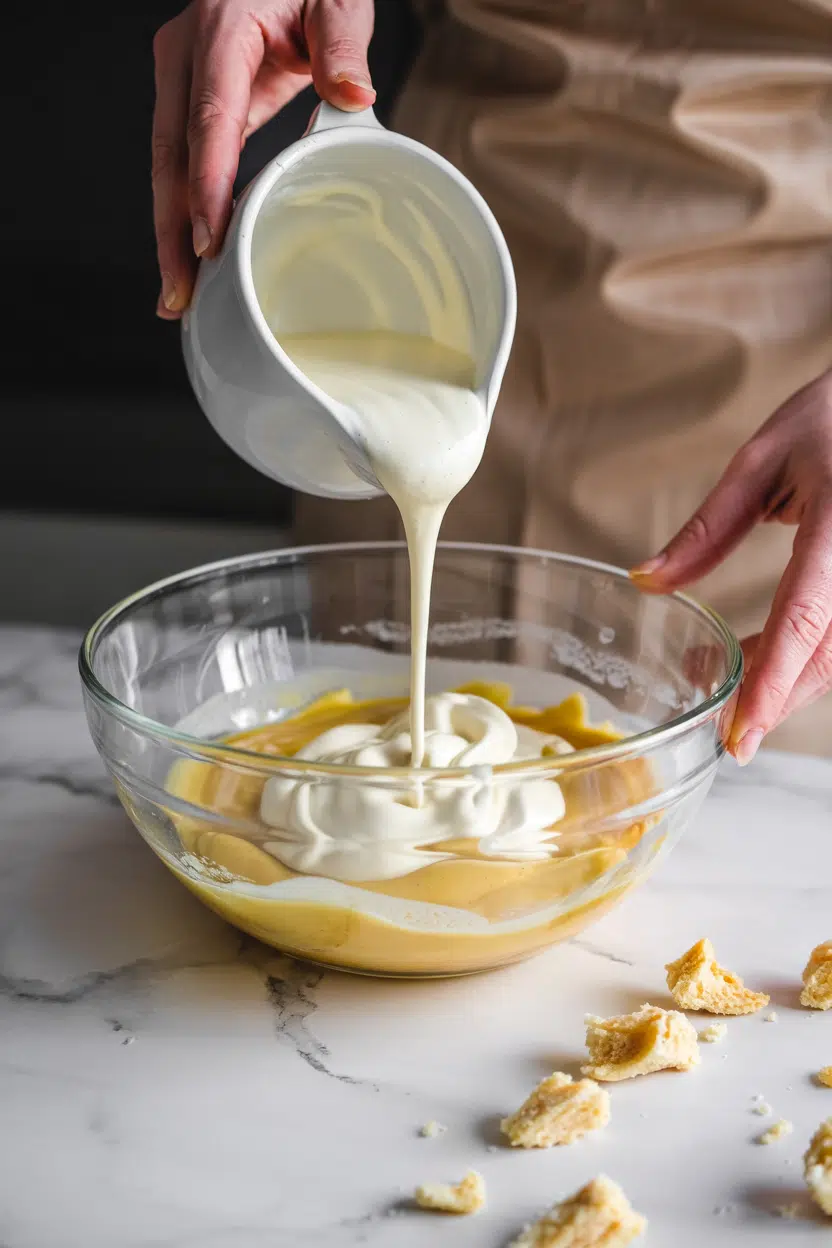
Butterfat is the dominant note. Double cream tastes clean and dairy-sweet, with a mild lactic tang underneath - not sour, just a quiet brightness that stops the richness from feeling flat.
Compared to US heavy whipping cream, the difference is immediate. Double cream coats the palate more fully, and that coating lingers.
The fat content gives it a near-neutral sweetness that carries other flavours - vanilla, chocolate, citrus - without competing with them.
When heated, the flavour mellows and the aroma turns gently buttery.
Chilled straight from the fridge, it's denser and the lactic note is slightly more pronounced - which is why cold double cream whips so much faster and holds peaks more reliably than its lower-fat counterparts.
How to Use Double Cream
Double cream handles heat, cold, and mechanical force better than most creams. That stability comes from fat, and it opens up a wide range of methods.
| Method | Best For | Tip |
|---|---|---|
| 🥣 Whipped Cold | Topping puddings, berries, scones | Stop at soft peaks for spoonable cream; keep going for piping |
| 🍳 Stirred Into Sauces | Pan sauces, soups, purées | Add off direct heat and whisk in; don't boil hard after adding |
| 🍫 Ganache Base | Chocolate ganache, tart glazes | Heat gently to just below simmering before pouring over chocolate |
| 🍮 Custard & Crème Anglaise | Ice cream bases, poured custard | Temper with egg yolks slowly - double cream's fat makes it forgiving |
| 🧁 Folded Into Batters | Mousses, chilled cheesecakes | Fold, don't stir; over-mixing deflates the aerated structure |
British cooking leans on double cream most heavily - spooned over summer pudding, stirred into a beef pan sauce, or poured cold alongside warm fruit crumbles.
French patisserie uses it in crème anglaise and as a base for rich ganache; if you're working with chocolate and need a substitute in ganache, understanding the fat role matters.
Pairings worth knowing: strawberries and stone fruit, dark chocolate, vanilla, lemon curd, roast mushrooms, almond praline, and the savoury side - beef pan sauces and reduced chicken jus both benefit from a tablespoon stirred in off the heat.
How to Buy and Store Double Cream
Look for cartons or tubs labelled "double cream" with a pale ivory colour and no visible watery separation at the surface. Where the label shows fat content, aim for 48% - anything lower is likely a single or whipping cream product in disguise.
Storage is straightforward:
- Unopened - keep at 0-4°C (32-40°F) in the original sealed container; lasts 1-2 weeks depending on pack date
- Opened - transfer to a clean airtight container and use within 3-5 days
- Freezing - not recommended for fresh double cream; fat and water separate on thawing, making it unsuitable for whipping
For a full breakdown of how long double cream stays usable, see our double cream storage life guide. And if your cream has already turned, heavy cream alternatives cover the closest options across common recipes.
Where to Start With Double Cream
New to it? Spoon it cold over fresh berries or a warm crumble - no prep needed, and you'll understand the texture immediately.
For cooking: Try finishing a pan sauce. Remove the pan from heat, stir in two tablespoons of cold double cream, and watch the sauce take on gloss and body that thinner creams won't give you.
Baking: Use it as the liquid base in a whipped ganache or as the cream element in a no-churn ice cream - its high fat content means it freezes with minimal ice crystals.
Frequently Asked Questions
No. Double cream contains around 48% butterfat, while US heavy cream sits at roughly 36%. Double cream whips firmer, holds peaks longer, and adds noticeably more body to sauces.
Yes - and it whips faster than lighter creams. Keep it cold and watch carefully; it can over-whip to a buttery texture within seconds of reaching stiff peaks.
Technically yes, but it's not ideal. Thawed double cream separates and won't whip; it's only usable in cooked applications like sauces or baked custards after freezing.
Yes, and its high fat content makes it more stable in heat than single cream. Add it off direct boil and avoid combining with strong acids without tempering first.
Roughly 450-500 kcal per 100ml, almost entirely from fat. It's predominantly saturated fat, with small amounts of vitamin A and calcium.