Product note: ForkliftKitchen may earn a commission from qualifying purchases made through product links on this page. Learn more.
Del Monte Whole Artichoke Hearts are the best canned artichokes for most cooks. The intact hearts can stay whole for presentation or be cut to fit a dip, pizza, salad, or pasta, while the plain brine leaves the final seasoning in your hands.
The difficult part is finding a useful package, not finding dozens of flavors.
We compared currently available plain canned hearts, then kept the three products that solve genuinely different volume and presentation needs.
This is a research-led comparison of exact product formats, ingredients, current availability, and published product evidence. ForkliftKitchen did not taste these cans side by side.
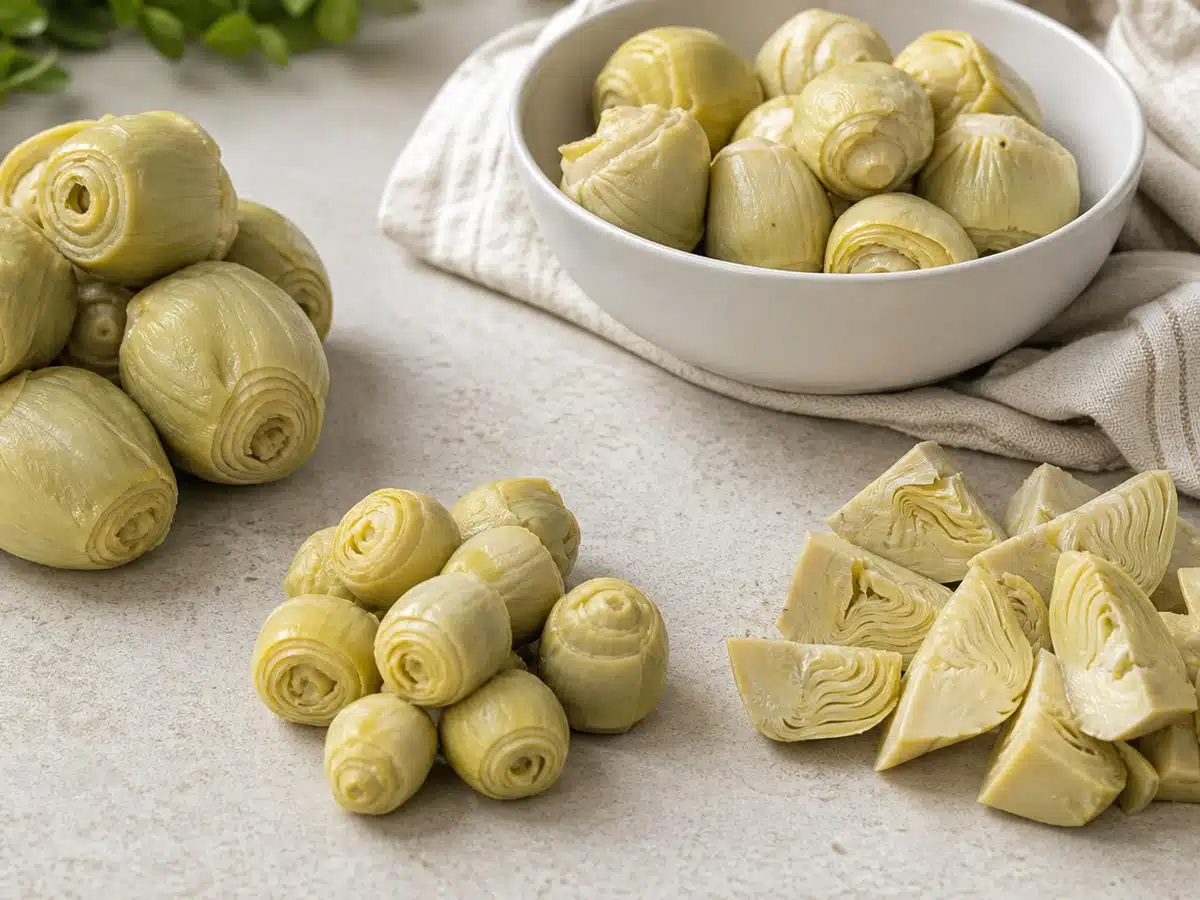
Three Canned Artichokes Worth Buying Right Now
Every pick here is a plain canned artichoke packed in water or brine, not a seasoned jar of antipasti. That keeps the comparison centered on heart size, cooking behavior, and the amount you must buy or refrigerate.
Save this ranking
Comparing these products later? Save this ranking for a quick return.
Del Monte wins on flexibility, Reese earns its place through smaller intact hearts, and Roland only makes sense when a normal can is nowhere near enough.
The rank changes when volume matters more than versatility.
- 🌱 Heart size. Whole, baby, and extra-small pieces must retain a useful role after they reach the recipe.
- 💧 Packing liquid. Water or brine keeps oil, herbs, and final seasoning under the cook's control.
- 🔪 Prep fit. A good format should reduce work or improve presentation without charging for a feature the dish erases.
- 🧺 Opened volume. Case packs preserve unopened cans, while one foodservice can exposes the full contents at once.
- 🛒 Exact product match. Each recommendation has a current product-specific purchase option for the stated size and count.
| # | Product | Best For | Key Note |
|---|---|---|---|
| 1 | Del Monte Whole Artichoke Hearts | 🏆 Best Overall | Whole hearts give the cook the most control over the final cut. |
| 2 | Reese Delicate Baby Artichoke Hearts | 🌱 Best Baby Hearts | Ten to twelve smaller hearts per can suit roasting and presentation. |
| 3 | Roland Foods Whole Extra Small Artichoke Hearts | 🍽 Best for a Crowd | One large can provides 60 to 70 consistent small hearts. |
1. Del Monte Whole Artichoke Hearts

Del Monte takes first because a whole heart gives you options after the can is open. Leave the pieces intact for roasting and serving, halve them for pasta, quarter them for pizza, or chop them as finely as a dip needs.
That control matters more than convenience cutting when you cook several kinds of dishes. The plain pack also avoids the oily surface and assertive herbs that can make a marinated jar fight with a cheese sauce, vinaigrette, or lemon-forward pasta.
Published tasting from Sporked described Del Monte's canned hearts as very tender and not overly salty. The same assessment noted a little more vinegar character than its top canned pick, so a quick taste after draining tells you whether your recipe needs a rinse.
The drawback is the case size.
Twelve sealed cans are easier to manage than one giant opened can, but occasional artichoke users still commit a lot of pantry space and money at checkout.
- Whole hearts can be cut for almost any recipe
- Plain packing leaves seasoning control with the cook
- Separate cans limit waste after each opening
- Sold as a 12-can case
- May need rinsing when the recipe is sensitive to acidity
2. Reese Delicate Baby Artichoke Hearts

Reese is the better buy when the artichokes should look intentional on the plate without extensive knife work. The smaller whole hearts distribute neatly across pizza, salad, a sheet pan, or an antipasti platter while retaining more visual presence than chopped pieces.
The label keeps the ingredient direction simple with artichoke hearts, water, salt, and citric acid. That neutral base lets olive oil, garlic, herbs, cheese, or a vinaigrette define the finished dish.
Choose this format for intact bites, not because smaller automatically means more tender. A tough outer leaf can still occur on a canned heart, and trimming that leaf is better than trying to hide its fibrous texture in the final dish.
Reese falls behind Del Monte because the baby size is less valuable once everything enters a food processor.
The listing is also a 12-can pack, which makes it a poor experiment for someone who rarely cooks with artichokes.
- Ten to twelve smaller intact hearts in each can
- Useful for roasting, pizza, and composed salads
- Plain pack accepts the cook's own seasoning
- The small whole format adds little value in a smooth dip
- Twelve cans are excessive for an infrequent user
3. Roland Foods Whole Extra Small Artichoke Hearts

Roland is not a normal pantry purchase, and that limitation is exactly why it belongs here. A caterer, community dinner organizer, or serious batch cook can open one can and get dozens of similarly sized whole hearts without handling a case of smaller containers.
The extra-small count works especially well when portions need to look consistent across a buffet salad, antipasti tray, pizza service, or large pan of pasta. Each small whole piece remains a recognizable bite, reduces repetitive cutting, and keeps its texture visible instead of disappearing into a smooth dip.
The format becomes economical only when the cooking plan can absorb most of the can. A standard household recipe might use a fraction of 5 pounds 8 ounces, leaving a large amount that must be transferred, covered, refrigerated, and used promptly.
Roland ranks third because convenience at scale becomes waste at home.
Buy it for a defined event or batch, not because the price per heart appears attractive.
- Sixty to seventy consistent extra-small hearts
- Efficient for catering and high-volume prep
- Whole pieces keep a recognizable presentation
- Opening the can exposes the entire foodservice quantity
- Impractical for most household recipes
Whole, Baby, or Extra-Small Hearts Change the Dish
A smooth dip does not reward the same artichoke format as an antipasti plate. Pay for intact size only when the finished food lets that size survive.
Standard whole hearts offer the broadest control because you choose every later cut. Baby and extra-small hearts reduce prep and create repeated intact bites, but that advantage disappears when the recipe calls for aggressive chopping or blending.
| Recipe | Best Format | What Changes | Watch For |
|---|---|---|---|
| Smooth dip | Any plain heart | Cut matters little after blending. | Drain well so the dip stays thick. |
| Chunky dip | Whole or baby | You control the final bite size. | Trim fibrous outer leaves. |
| Pizza | Baby or quartered whole | Smaller pieces spread across more slices. | Dry the surface before baking. |
| Roasting | Baby hearts | Intact small pieces expose useful edges. | Moisture delays browning. |
| Buffet salad | Extra-small whole | Consistent pieces improve portioning. | Buy only for high volume. |
Whole does not mean the heart must stay whole.
It means the can has not made the cutting decision for you, which is useful when one case needs to cover several recipes.
Smaller intact hearts have a different strength. They create a clear artichoke bite without asking the diner to cut a large soft heart on a pizza slice or crowded plate.
The Real Cost Starts After You Open the Can
Unopened volume and opened volume are different buying problems. A 12-can case occupies more pantry space, but each future can remains sealed until a recipe needs it.
One foodservice can looks simpler on the shelf and creates a much harder deadline after opening. Use the amount exposed at one time, not the price per ounce, as the first bulk-buy test.
- Choose separate cans for repeat household cooking. Del Monte and Reese let you open 14 ounces at a time while the rest of the case stays shelf stable.
- Choose the Roland can for a defined crowd. Sixty to seventy small hearts can support a buffet, catering tray, or several planned batch recipes.
- Count the recipes before ordering. A party dip, one pizza, and a weeknight pasta still may not consume a foodservice can.
A case pack has its own tradeoff.
It ties up cash and pantry space, so the purchase is sensible only when canned artichokes already appear in your regular rotation.
Rinse for Control, Then Dry for Browning
Rinsing is optional, but tasting the drained heart is not. The first bite tells you whether the brine's salt and acid help the recipe or will compete with it.
- Drain and taste. Skip a full rinse when the heart tastes balanced and the recipe can use that gentle tang.
- Rinse when you need a quieter base. Cool water reduces surface brine before you add salty cheese, cured meat, or a sharp dressing.
- Dry for high heat. Pat the hearts dry before roasting or topping pizza because surface water creates steam and postpones browning.
Dip and sauce are more forgiving because a little retained moisture can join the surrounding mixture. Roasting and crisp-edged pizza toppings expose poor draining immediately.
A rinse cannot repair a fibrous leaf. Pull or trim any tough outer piece before it reaches a smooth dip or a bite that should feel tender.
Frequently Asked Questions About Canned Artichokes
Are canned artichoke hearts already cooked?
Yes. Canned artichoke hearts are ready to eat, although heating, roasting, or blending changes their texture and how strongly the packing liquid comes through.
Can I use canned artichokes instead of marinated artichokes?
You can use them when you also replace the missing oil, vinegar, herbs, and seasoning. Plain canned hearts give you a quieter base, while a marinated jar brings a finished flavor that can change the whole dish.
Are whole or quartered artichoke hearts better for dip?
Either works in a smooth dip because the food processor removes the cut advantage. Whole hearts make more sense when the same case must also cover salads, roasting, pasta, or pizza.
How should I store artichoke hearts after opening a can?
Move the leftovers and enough liquid to cover them into a clean covered container, then refrigerate promptly. Follow the label's timing because ingredients and manufacturer guidance can differ.
Why are some canned artichoke leaves tough?
Outer leaves can remain more fibrous than the tender center even after canning. Remove a tough leaf before chopping or blending rather than expecting the recipe to hide it.