Butter that smells faintly sour when you unwrap it isn't always a crisis - but it's a sign you've pushed past a storage window somewhere.
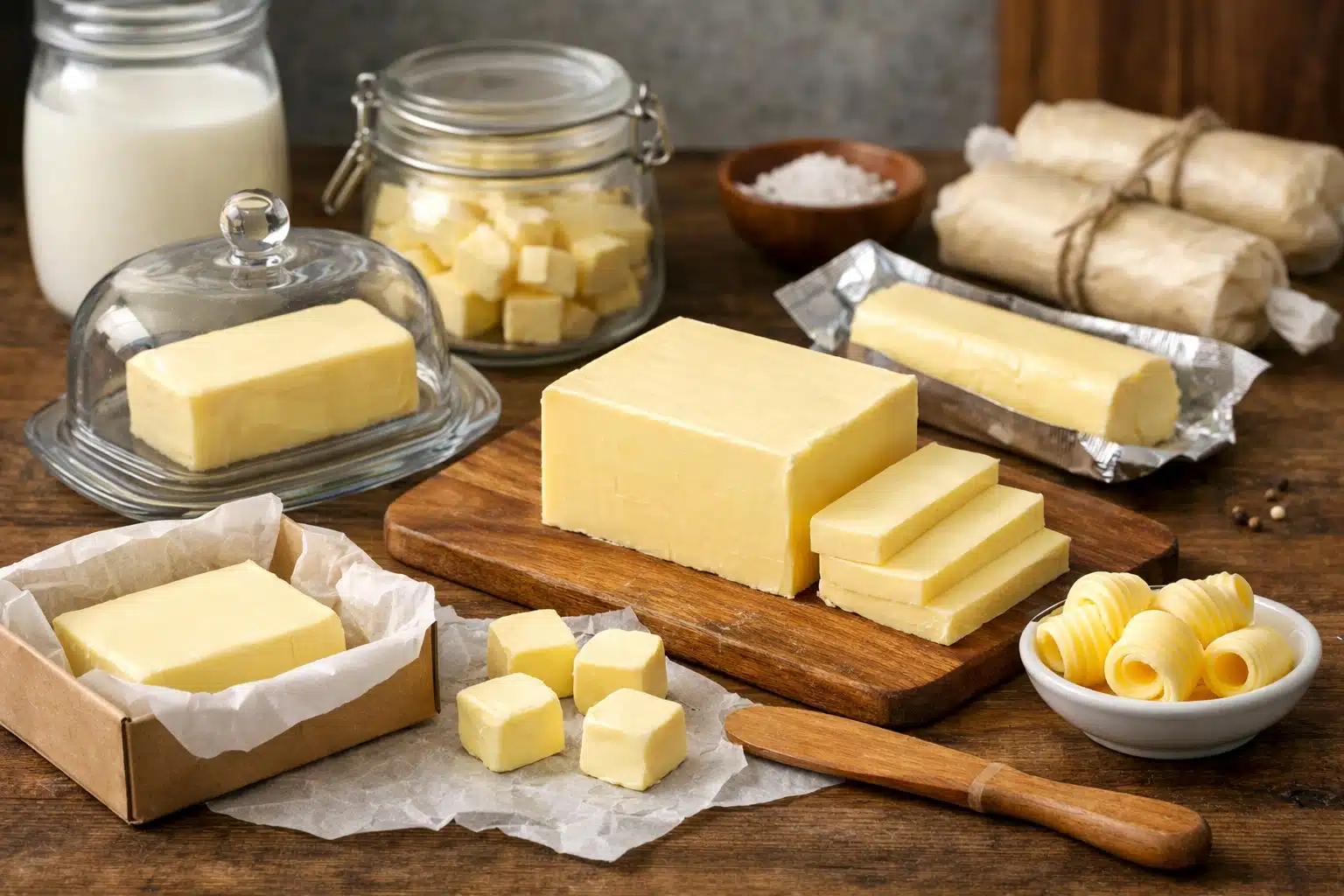
Unlike harder dairy products, butter is a water-in-fat emulsion with a surprisingly wide shelf life range depending on salt content, whether it's been opened, and how well it's wrapped.
Salted butter and unsalted butter behave very differently in the fridge and freezer, and storing them the same way is one of the most common mistakes home cooks make.
If you rely on butter daily - for baking, spreading, or finishing sauces - getting the storage right means less waste and better flavor.
Butter lasts 1-3 months refrigerated once opened and up to 12 months frozen when factory-sealed. Salted butter outlasts unsalted at every stage. Always keep it tightly wrapped to block odors and slow rancidity.
How Long Does Butter Last?
Shelf life for butter swings widely based on two factors: salt content and storage method. Salt actively inhibits microbial growth, which is why a salted stick left properly wrapped in the fridge can still be good at three months, while unsalted butter starts losing quality sooner.
Remember it later
Planning to try this recipe soon? Save it for a quick find later!
Unopened, commercially sealed blocks last even longer because the factory packaging limits oxygen exposure.
| Method | State | Duration | Notes |
|---|---|---|---|
| 🏠 Pantry | Opened | 2-3 days max | Covered butter dish only; unsalted softens and turns faster |
| 🧊 Fridge | Opened | 1-3 months | Salted lasts longer; keep tightly wrapped to block odors |
| 🧊 Fridge | Unopened | 3-4 months | Factory seal preserves quality; store away from aromatic foods |
| ❄️ Freezer | Opened | 6-12 months | Wrap tightly; salted butter tolerates freezing slightly better |
| ❄️ Freezer | Unopened | 12 months | Factory-sealed blocks hold peak quality at a full year |
Cultured butter is worth a separate note. Its active cultures continue developing over time, so flavor shifts noticeably near the end of the fridge window - use it within the shorter end of the range for best results.
How to Store Butter
The wrapping matters as much as the location. Butter absorbs odors aggressively because of its high fat content - a stick sitting next to cut onions or strong cheese in an unwrapped state will taste like both within days.
Counter: A covered butter dish works for 2-3 days maximum, and only for small amounts you'll actually use. Unsalted butter goes rancid faster at room temperature, so this method only makes sense for salted butter in cooler kitchens.
Fridge: Keep each stick in its original foil or parchment, then place it inside an airtight container or resealable bag. This double layer blocks fridge odors and slows oxidation. Don't store butter in the door compartment - temperature fluctuates there more than on a middle shelf.
Before freezing: Portion the butter before it goes into the freezer rather than after. Repeated thawing of the same block breaks down texture faster than any other mistake.
- Aromatic neighbors - Keep butter away from garlic, fish, and aged cheese; fat pulls their odors through even sealed wrappers.
- Unwrapped storage - Original paper alone isn't enough for fridge storage longer than a week or two.
- Room temp blocks - Large blocks left out accelerate rancidity, especially unsalted; only keep what you'll use in 2-3 days on the counter.
Can You Freeze Butter?
Freezing butter works well, and it's one of the few dairy products where the frozen version stays genuinely functional. Texture may develop slight graininess after thawing due to water crystal formation, but the butter still performs correctly in baking and cooking.
For spreading, thaw slowly in the fridge and it comes back close to fresh.
- Portion first - Divide into usable amounts: full sticks, half sticks, or tablespoon-sized portions for baking.
- Wrap each piece - Use parchment or foil, pressed tightly around the butter with no air gaps.
- Bag and label - Place wrapped pieces in a labeled airtight freezer bag or rigid container; note the date and whether it's salted or unsalted.
- Freeze flat - Lay the bag flat so pieces freeze quickly and stack cleanly.
Thaw a full block in the fridge for 12-24 hours. For quicker use, pull individual portions and thaw at room temperature for 15-30 minutes.
Use thawed butter within 1-2 weeks in the fridge, and don't refreeze - repeated freeze-thaw cycles dull flavor and break the emulsion faster. Similar texture and timing issues apply to cream freshness guide when frozen, so handle both the same way.
Signs Butter Has Gone Bad
Rancidity is the main risk with butter, not mold - though both can happen. Rancid butter smells sharp, sour, or soapy; if you've ever used it in baked goods, that off-note comes through in the finished dish.
Don't rely on visual checks alone, because rancidity often sets in before the appearance changes.
Discard butter that shows mold - don't scrape it off. Mold sends threads into the fat that aren't visible to the eye, and butter's soft structure means contamination spreads further than it appears.
Getting the Most from Every Block
A few habits make a real difference in how long your butter stays usable. These apply whether you're buying in bulk or just keeping a single stick on hand.
- Buy salted for the counter - Salt extends shelf life; unsalted belongs in the fridge or freezer until needed.
- Label frozen portions - Mark salted versus unsalted and the date before freezing; they look identical once wrapped.
- Portion before you freeze - Thaw only what you need so the rest stays undisturbed.
- Rewrap after every use - Exposure to air after each opening is cumulative; tight rewrapping slows rancidity between uses.
If butter isn't available or you've run out mid-recipe, butter replacements can fill the gap in most baking and cooking contexts - as can options explored in guides on butter substitutes for mac and cheese for stovetop dishes.
And for dairy-free cooking more broadly, milk replacements cover the liquid side of the equation.
Frequently Asked Questions
Yes. Salt inhibits microbial growth, which extends shelf life at every storage stage. Unsalted butter is more perishable and should be used sooner or kept frozen until needed.
Commercially sealed butter keeps 3-4 months refrigerated. The factory packaging limits oxygen exposure, so quality holds longer than an opened, rewrapped stick.
Thaw individual portions at room temperature for 15-30 minutes for spreadable texture. For baking where cold or grated butter is needed, grate it frozen directly into the recipe.
Often yes, if it smells clean and shows no discoloration or mold. Best before dates indicate peak quality, not safety - properly stored butter frequently remains good for weeks beyond that date.
Yes, significantly. Removing the milk solids and water eliminates the components that cause rancidity fastest. Ghee can last several months at room temperature in a sealed jar and up to a year refrigerated.